
Level 1 sweep and inspection to the NFPA 211 annual standard - flue, crown, cap, and flashing checked and photographed
Chimney sweep logs do not sweep chimneys. They loosen some creosote - which then falls where a brush and vacuum still have to collect it.
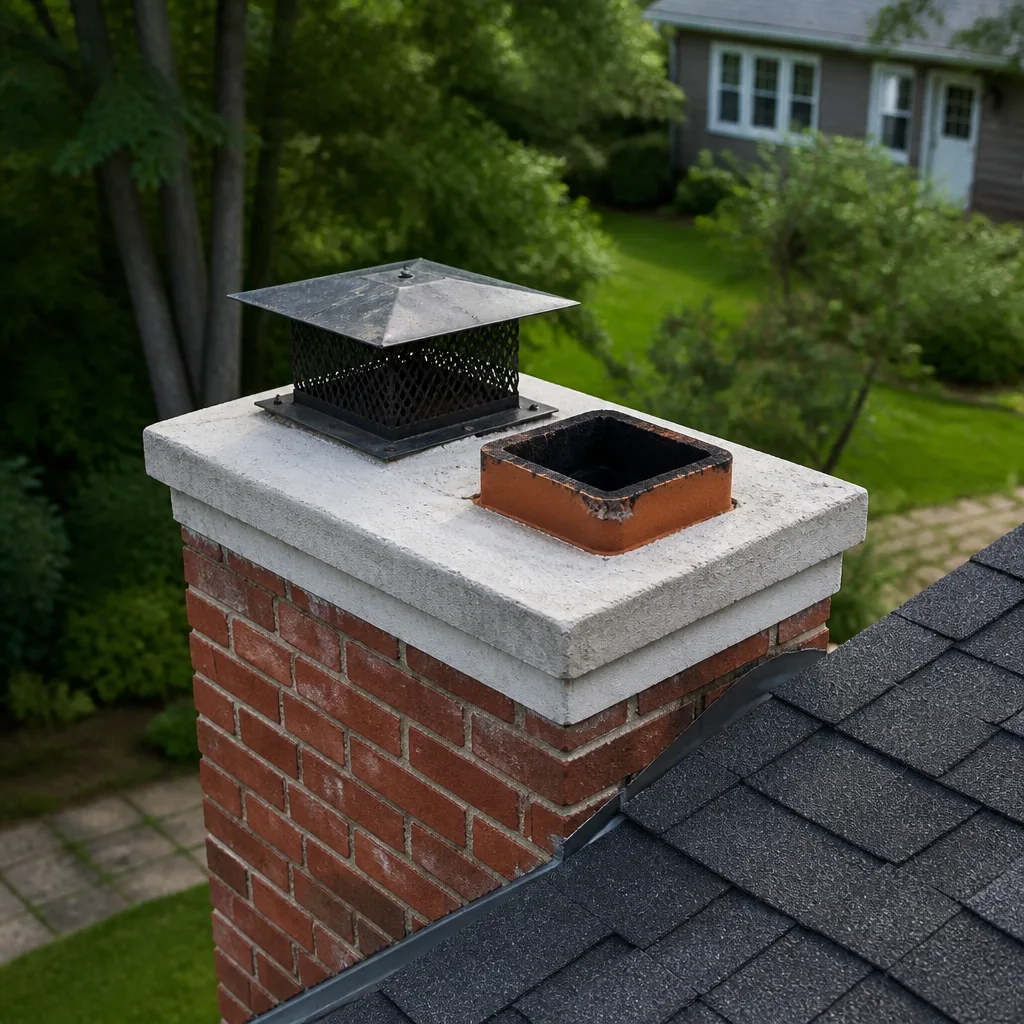
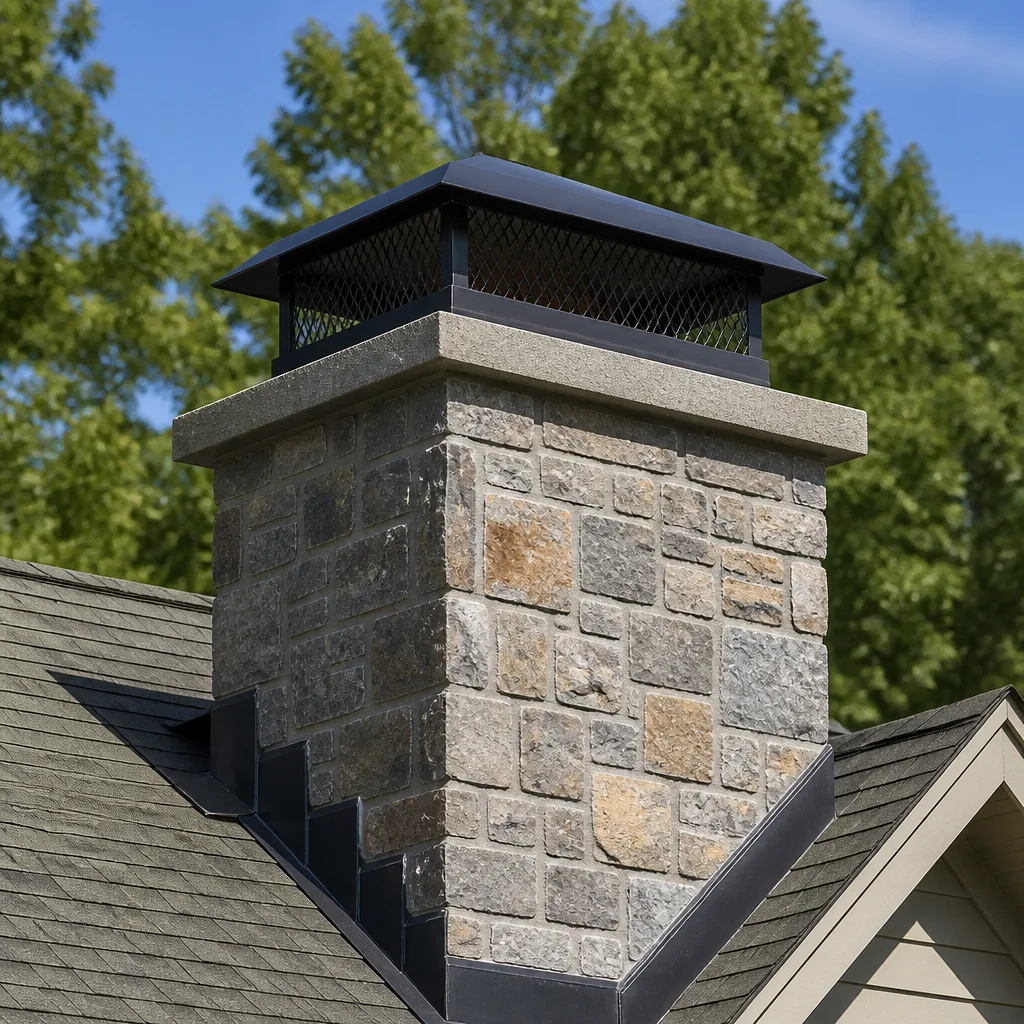
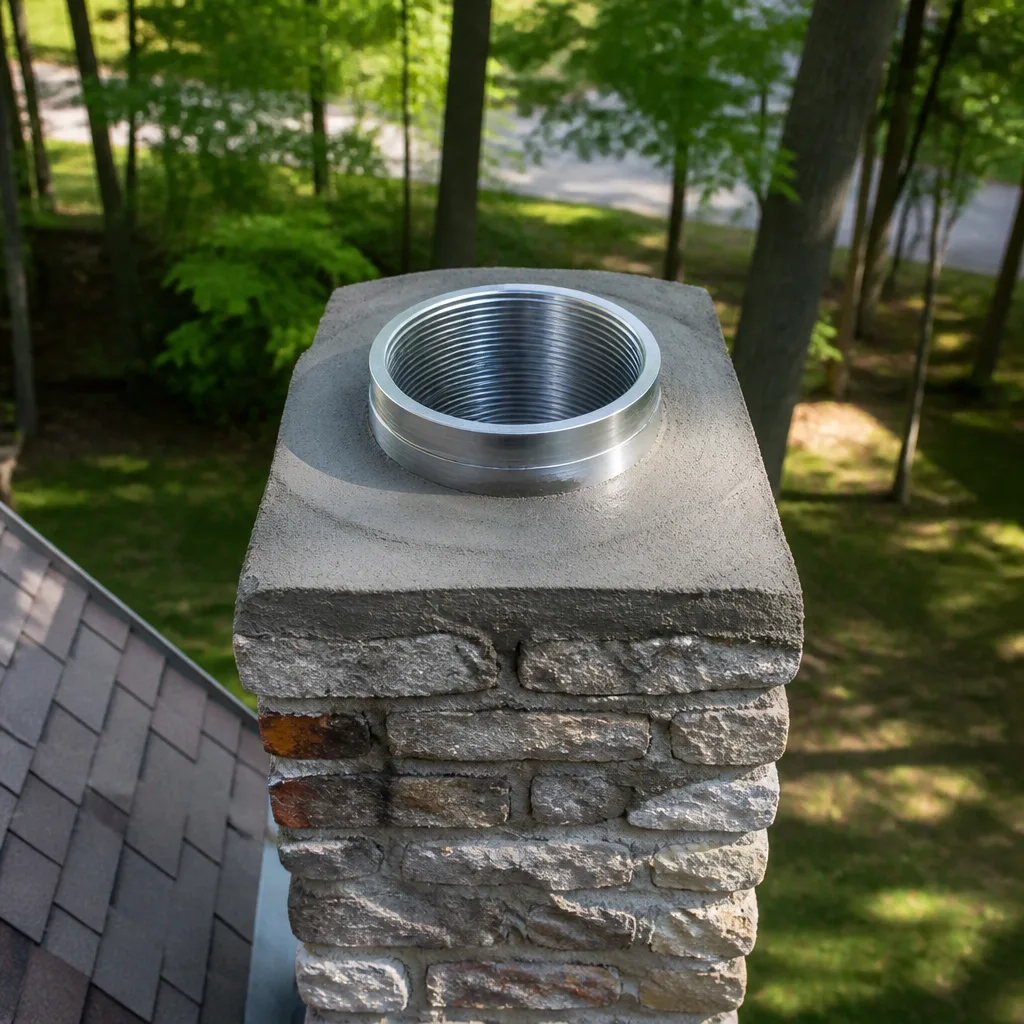
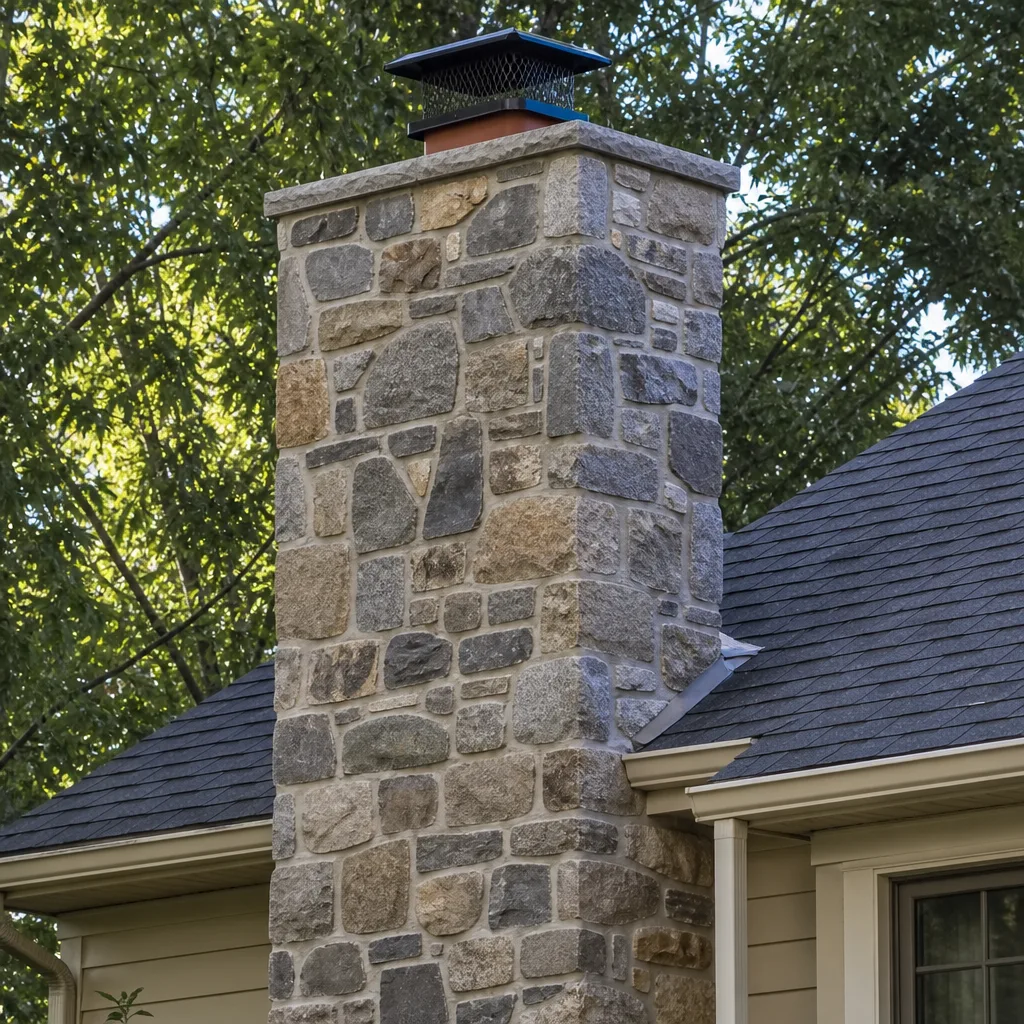
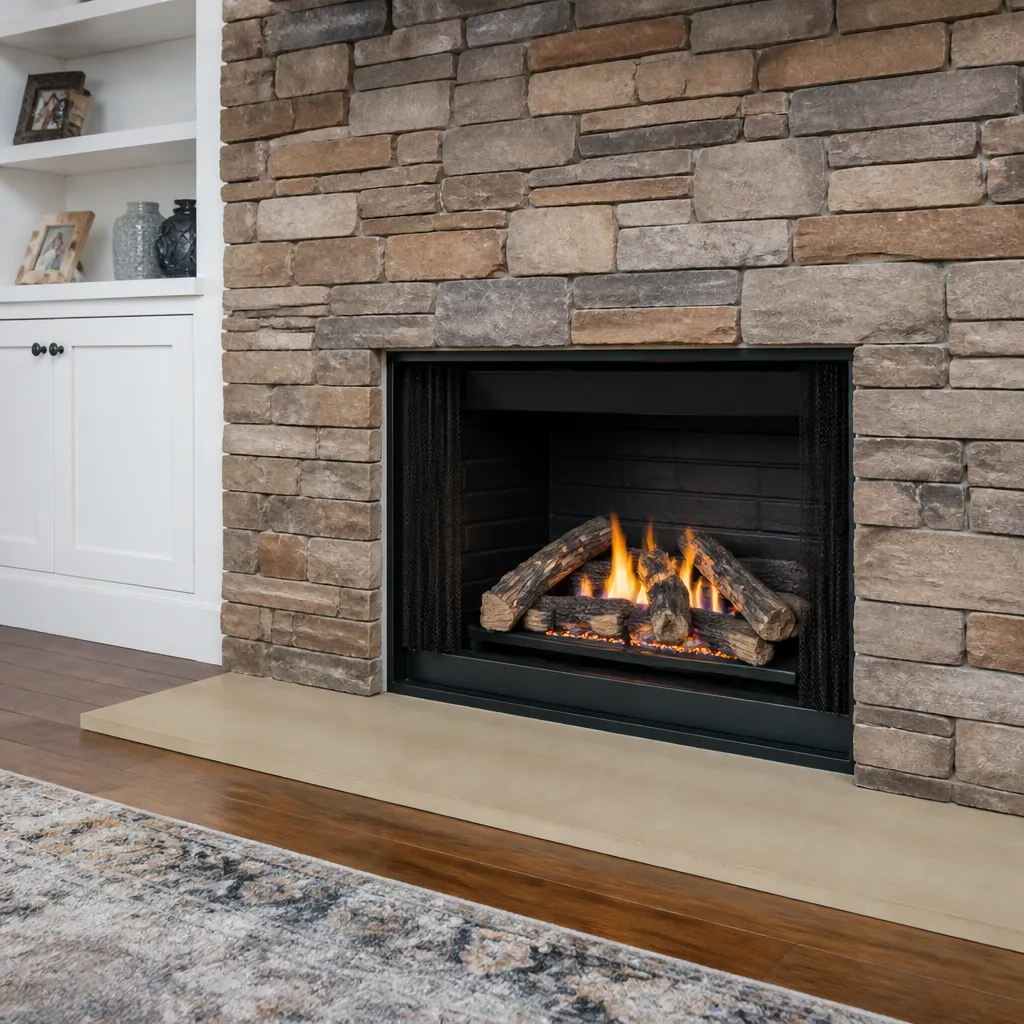
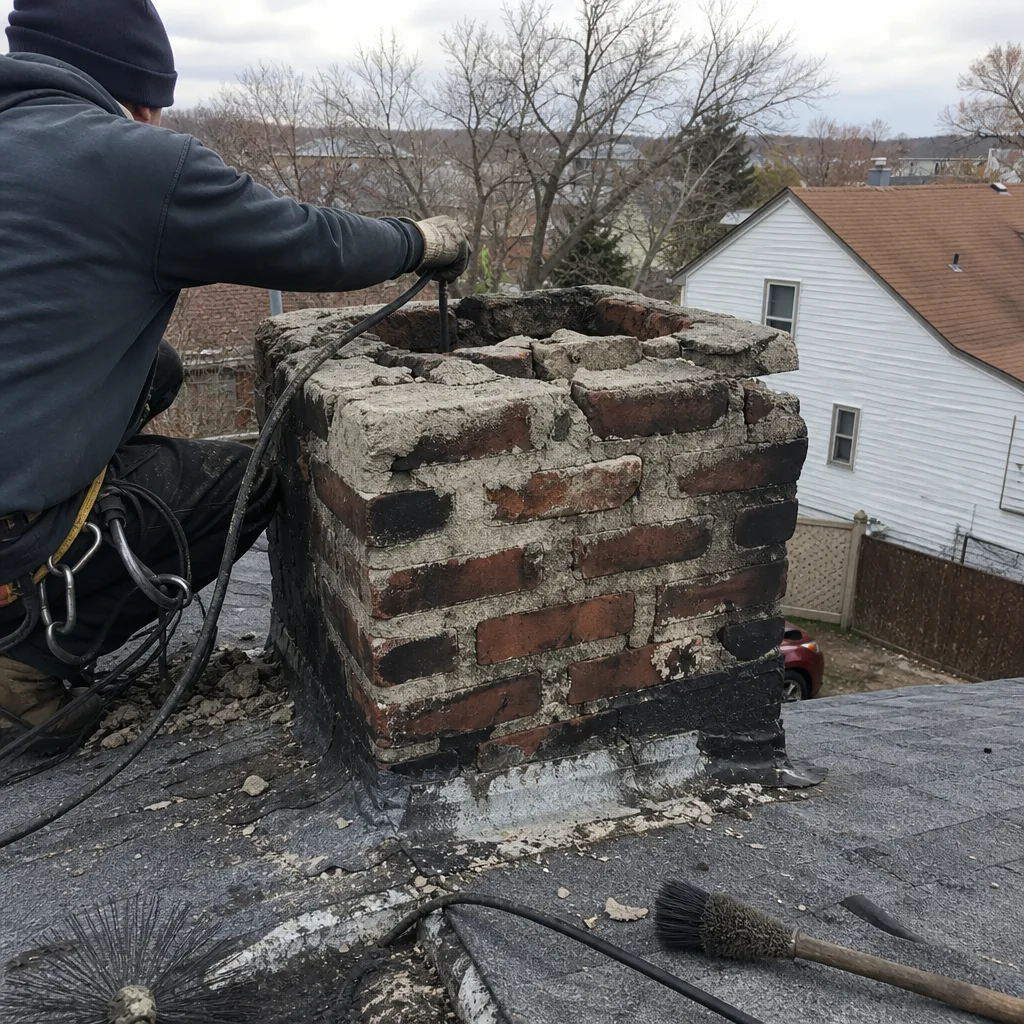 Before
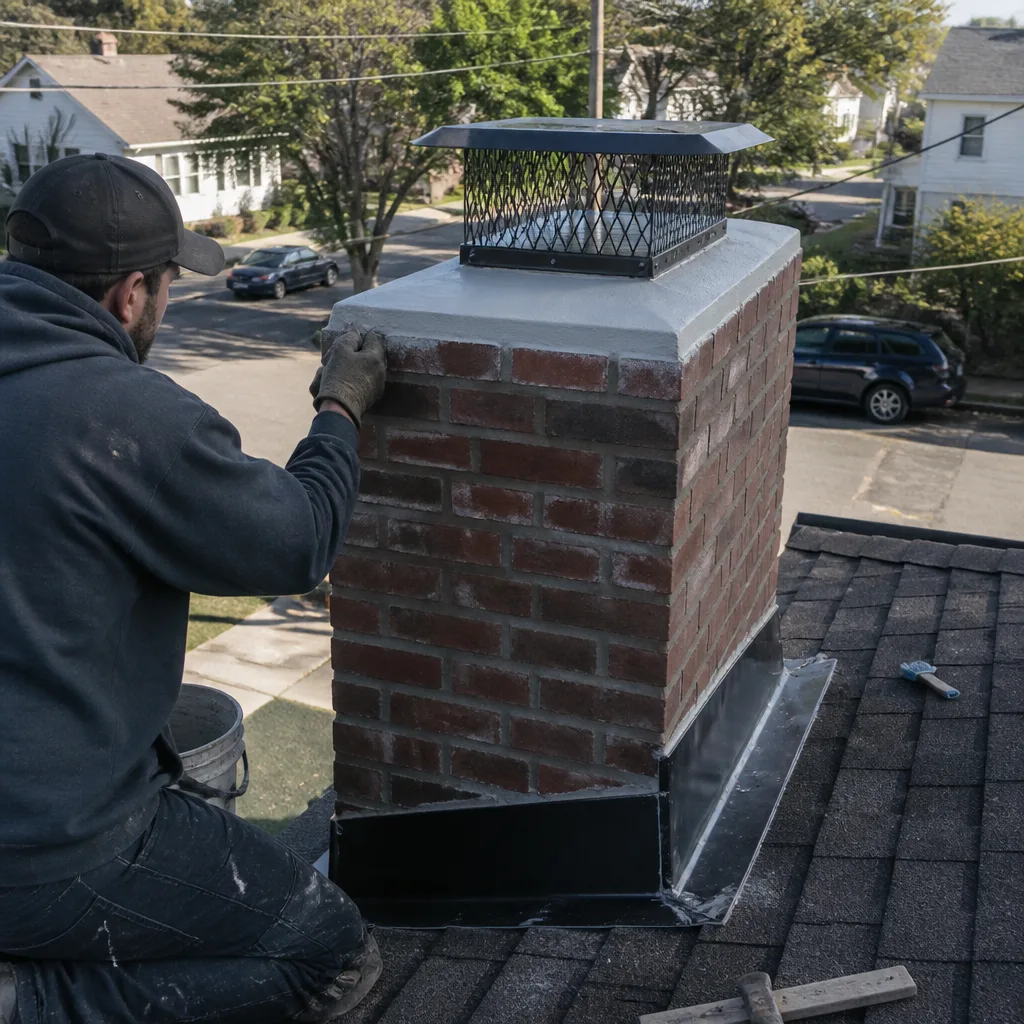 After
After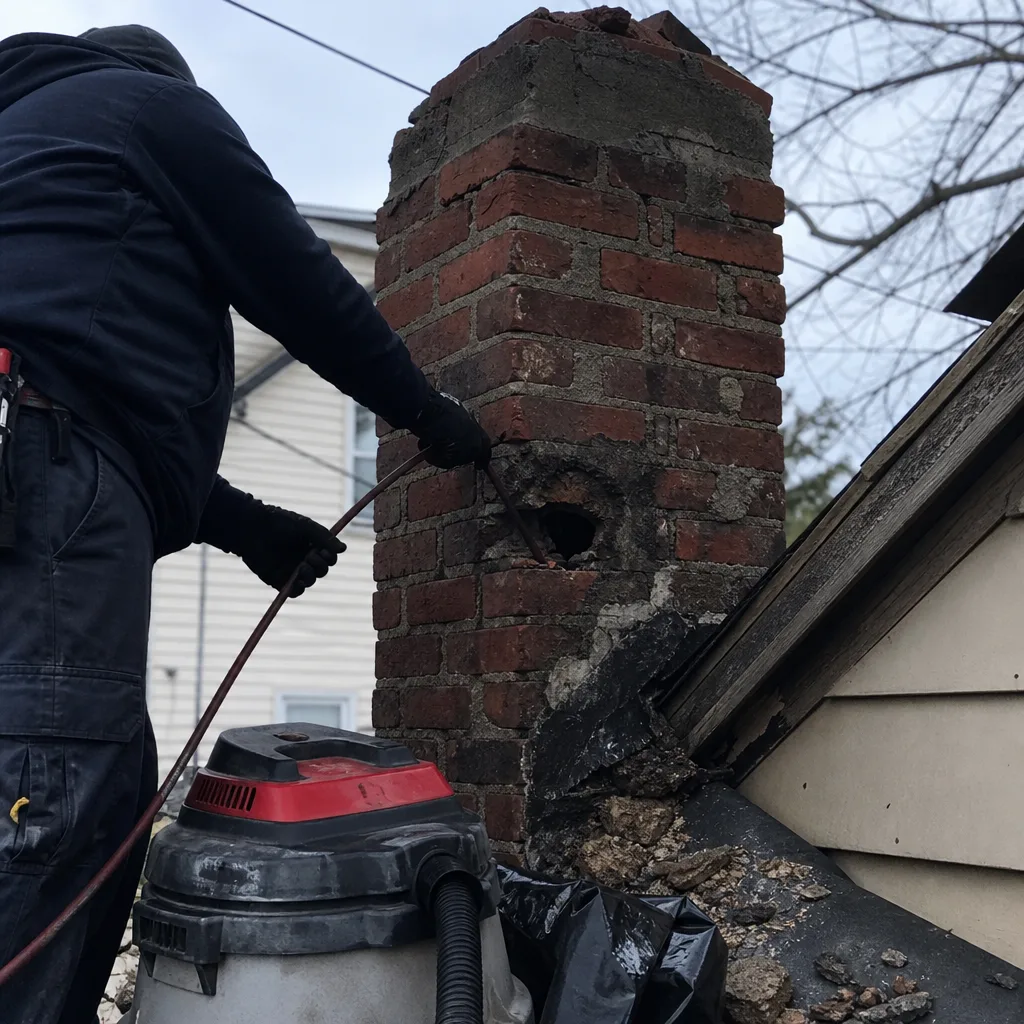 Before
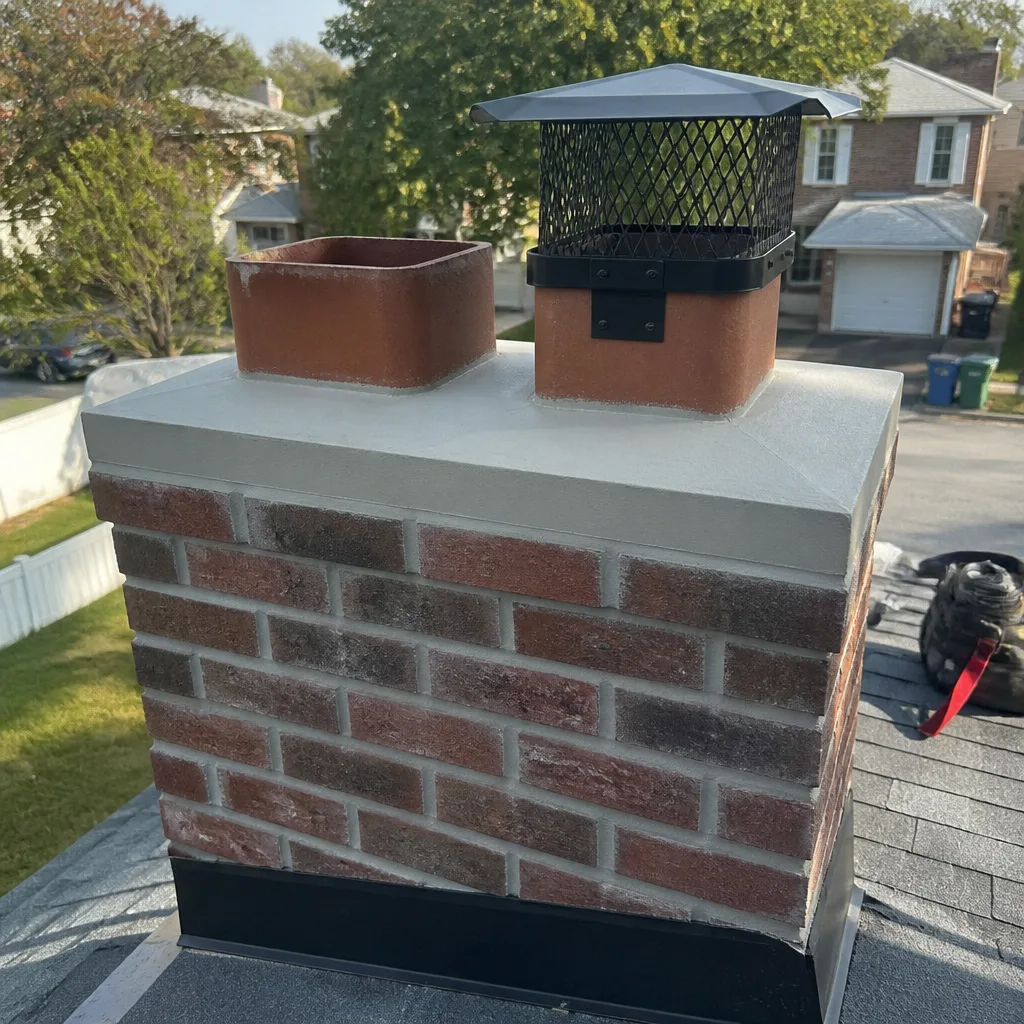 After
After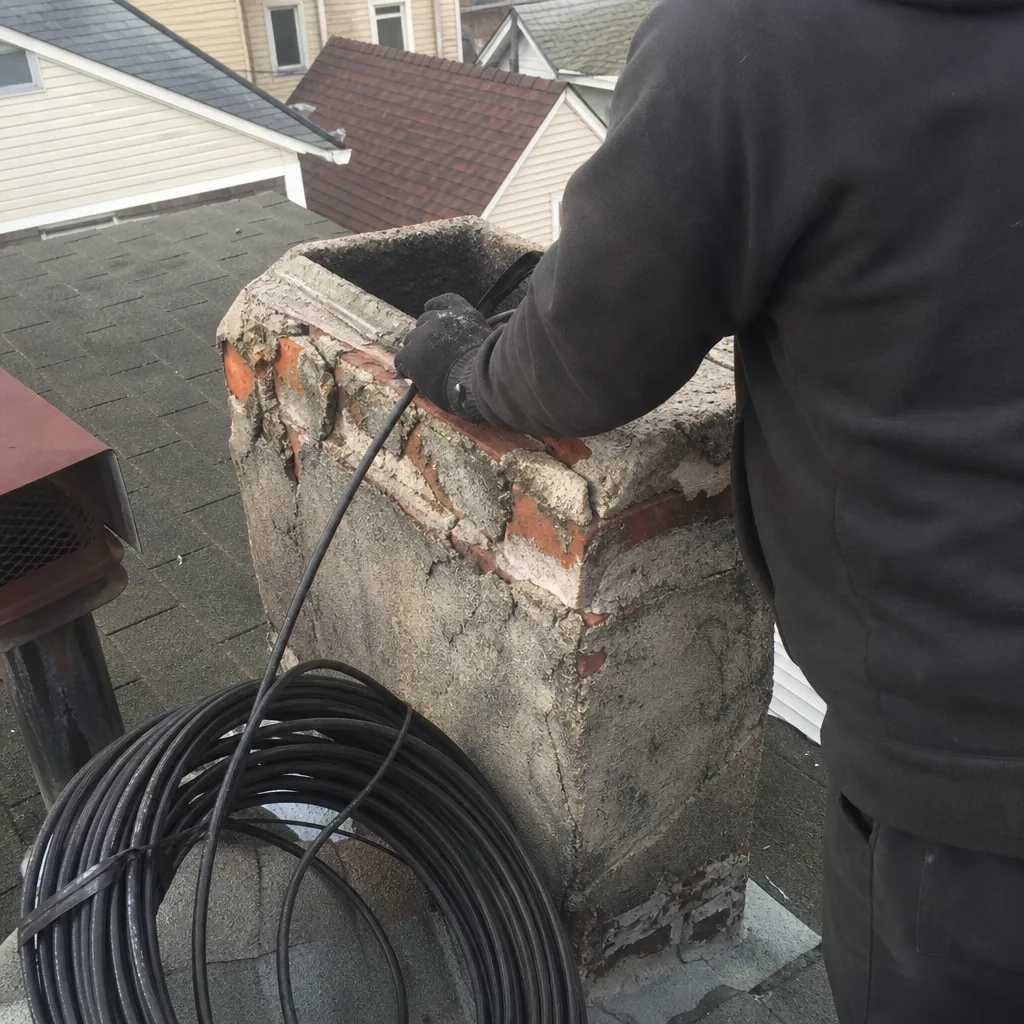 Before
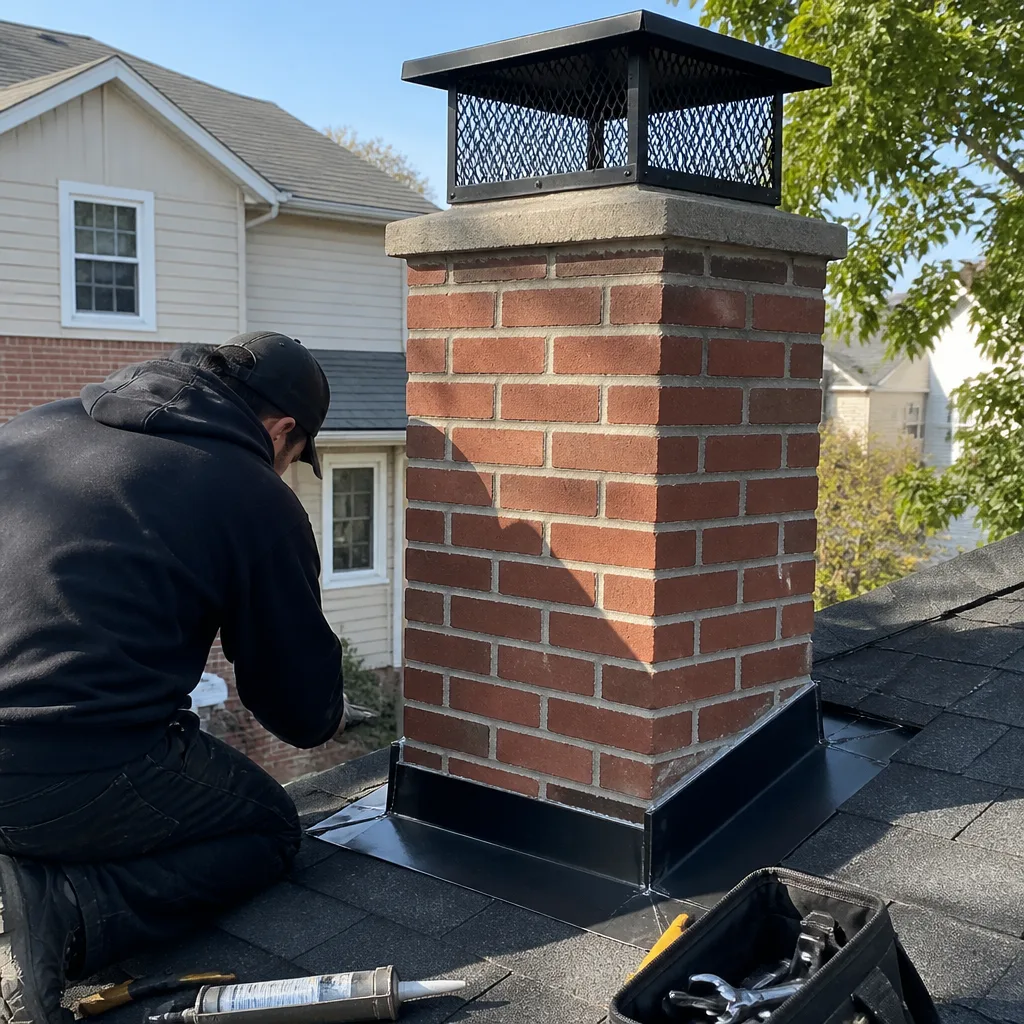 After
AfterHeatShield Flue Liner Replacement: The Queens Owner’s Guide
HeatShield flue liner replacement in Queens typically runs $1,800 to $3,400 installed, depending on liner diameter, flue height, and whether the existing liner pulls out clean or needs sectioning. We stock HeatShield-compatible flue liner inventory for standard residential sizes and can usually inspect, measure, and install within a single booked visit. Most Queens homeowners discover the problem during a routine sweep when our camera catches a crack, delamination, or corrosion pinhole they had no way of seeing from the firebox.
Which HeatShield Models This Applies To
HeatShield builds two distinct liner systems, and knowing which one sits in your chimney determines everything about the replacement.
The HeatShield Cerfractory Flue Sealant system is a resurfacing product, not a standalone liner. If your chimney was coated with this material and you’re now seeing failure, the underlying clay flue tile is likely the culprit, and the fix usually involves pulling a new stainless liner through the existing flue rather than recoating. The HeatShield Sleeve system, by contrast, is a factory-built stainless steel liner that gets installed as a complete replacement unit. Sleeves carry a part number stamped on the top collar or termination cap, typically formatted HS-SLV followed by the diameter and gauge.
To identify what you have, check the termination above the roofline. Cerfractory jobs have no visible metal liner protruding, just the original clay pot or a standard cap. Sleeve systems show a stainless collar with a stamped rating plate. If the plate’s worn off, measure the inner diameter at the thimble or top, and note whether your flue serves a wood-burning fireplace, a gas insert, or an oil furnace. Each application demands a different alloy grade. For HeatShield sleeve replacements, we source factory-spec 316Ti stainless from the same supply chain HeatShield uses, or we can install a DuraFlex equivalent where the termination geometry allows. We are an independent service provider, not affiliated with HeatShield, and we match the part to the application, not the brand to the brochure.
Signs Your HeatShield Flue Liner Replacement Is Failing
- White or tan powder staining the firebox or exterior brick. This is efflorescence from combustion moisture migrating through cracks in the liner. In Queens, we see it most often in pre-war two-families along the Woodhaven Boulevard corridor where freeze-thaw cycles open hairline fractures every winter.
- Bits of clay tile or flaky debris in the cleanout or hearth. The original flue tile behind a Cerfractory coating is spalling. Once pieces start dropping, the coating has lost its structural backing and will follow.
- Smoke odor in upstairs rooms even when the fireplace is cold. A perforated liner is leaking exhaust into wall cavities. This is not a draft issue. It’s a containment failure, and it can admit carbon monoxide alongside the smell.
- Visible rust streaks on a stainless sleeve. 316Ti resists corrosion well, but if the original installer used a lower-grade alloy or if the cap has been missing for seasons, the liner can pit from the outside in. We check this with a borescope at the joint sections where water pools.
- The fire burns sluggishly despite an open damper and sound chimney height. Liner delamination or collapse can choke the flue diameter without blocking it entirely. The draft drops just enough to make the fire starve for air and push smoke into the room.
Replacement Cost & What’s Included
| Scope | Typical Range in Queens |
|---|---|
| Single-flue stainless liner replacement, standard ranch or cape | $1,800 - $2,600 |
| Two-story or steep-pitch flue with difficult roof access | $2,400 - $3,200 |
| Liner plus new top-mount damper and cap assembly | $2,800 - $3,400 |
| Sectioned removal of failed sleeve with offset correction | Add $400 - $700 |
What drives the range: liner diameter (6-inch common for fireplaces, 5-inch for gas inserts), linear feet from thimble to cap, and whether the existing liner pulls out in one piece or has to be cut and extracted in sections. Our estimate includes the liner, insulation wrap where code requires it, a new cap, the Level-2 camera inspection before and after, and disposal of the old material. The number we give is the number on the invoice. Every HeatShield-compatible replacement we install carries our 90-Day Done Right Promise in writing, no arguing. If it’s wrong, we’ll say so. If we fix it, it stays fixed.
DIY or Call Us?
There’s a short list of what a careful homeowner can check safely. Verify the cap is present and the mesh is not clogged. Shine a flashlight up the flue from the firebox and look for obvious obstruction or daylight where the liner should be continuous. That’s it.
Everything else belongs to a trained sweep with the right equipment. Liner replacement involves working on a steep roof with heavy stainless sections, cutting metal in a confined flue, and verifying combustion-safing at the termination. A dropped tool or a mismeasured section can block the flue entirely or create a gap that vents carbon monoxide into the house. We’ve rescued more than one DIY attempt in Queens where the owner got the liner down but couldn’t get the top joint sealed, or where the insulation wrap bunched and created a hot spot against combustible framing. The camera inspection at the end is not optional, and it’s not something a phone flashlight substitutes for. If you’re weighing whether to try this yourself, call us first at (516) 531-6315. We’ll walk through what you’re seeing and give you a straight answer on whether it needs a truck roll.
FAQs
A properly installed stainless liner in Queens should last 15 to 25 years, though we’ve seen premature failure in homes within a mile of the water where salt air accelerates exterior corrosion on the cap and collar. Annual inspection catches the degradation before it reaches the liner body. Call (516) 531-6315 to schedule - estimates are free.
Cerfractory coatings can sometimes be touched up if the underlying tile is sound and the damage is limited to surface crazing. Once the tile behind it fails or the coating delaminates, replacement is the only code-compliant fix. Sleeve systems with cracks or pitting are always replaced, not patched. We’ll show you the camera footage and tell you which side of the line you’re on.
Most residential HeatShield liner replacements in Queens are completed in a single day, typically four to six hours from setup to final camera verification. Jobs requiring sectioned removal or offset correction may run into a second day. We book the time you need and don’t rush the inspection at the end.
We stock 5-inch, 6-inch, and 8-inch diameter stainless liners in 316Ti alloy on our trucks, along with the termination caps and insulation kits that complete the system. Odd sizes or multi-flue configurations may need a two-day order from our Queens supply house. We’ll know within ten minutes of the inspection call whether your job is a same-day install or a short wait.
Written by Russell Haines, Owner, Hearthstone Chimney Co. at Hearthstone Chimney Co., serving Queens and nearby areas.