
Level 1 sweep and inspection to the NFPA 211 annual standard - flue, crown, cap, and flashing checked and photographed
Chimney sweep logs do not sweep chimneys. They loosen some creosote - which then falls where a brush and vacuum still have to collect it.
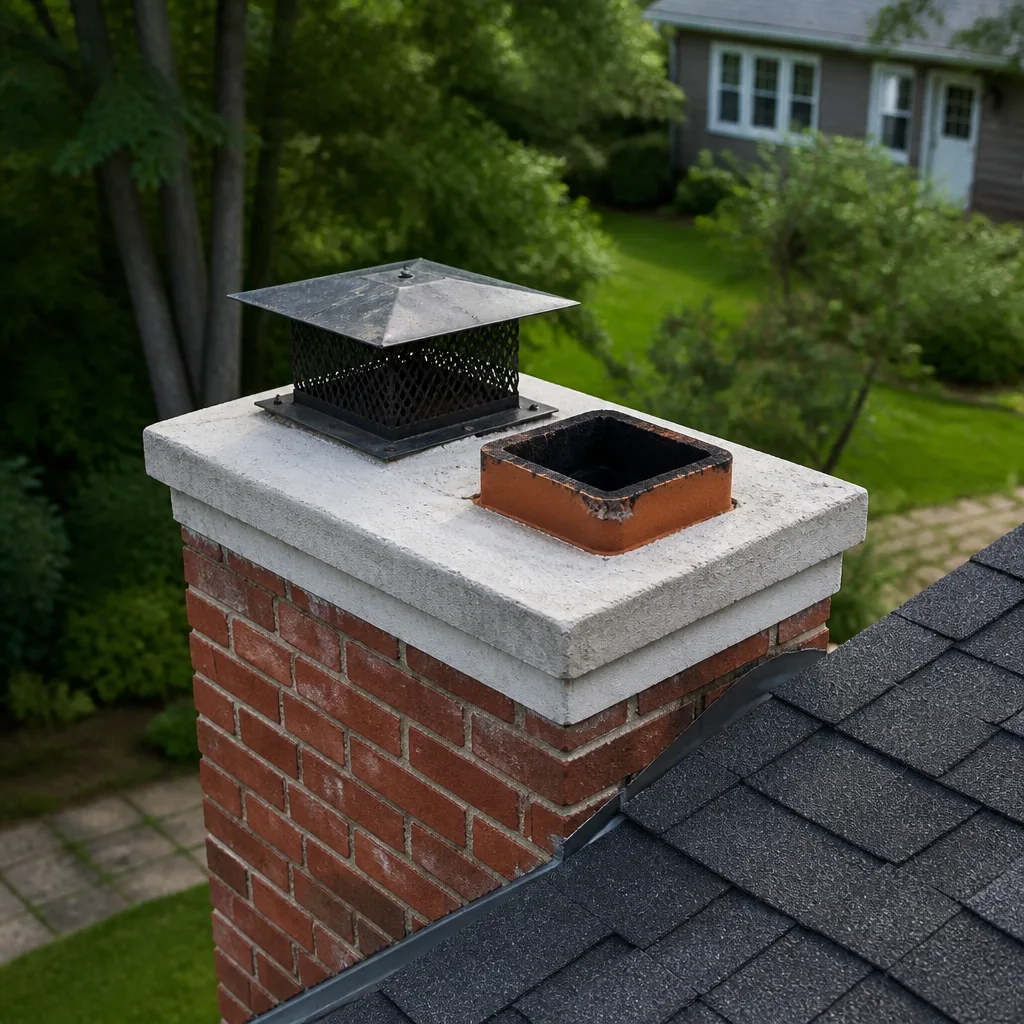
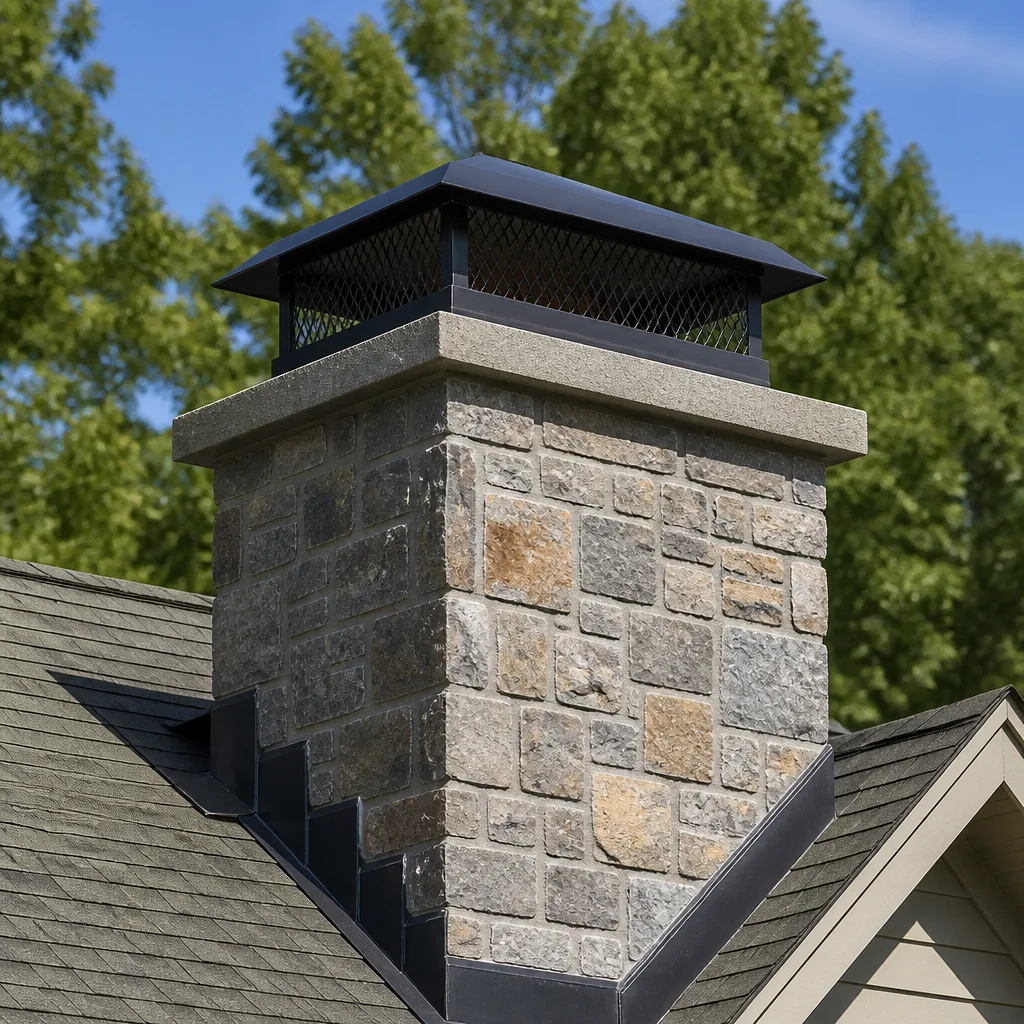
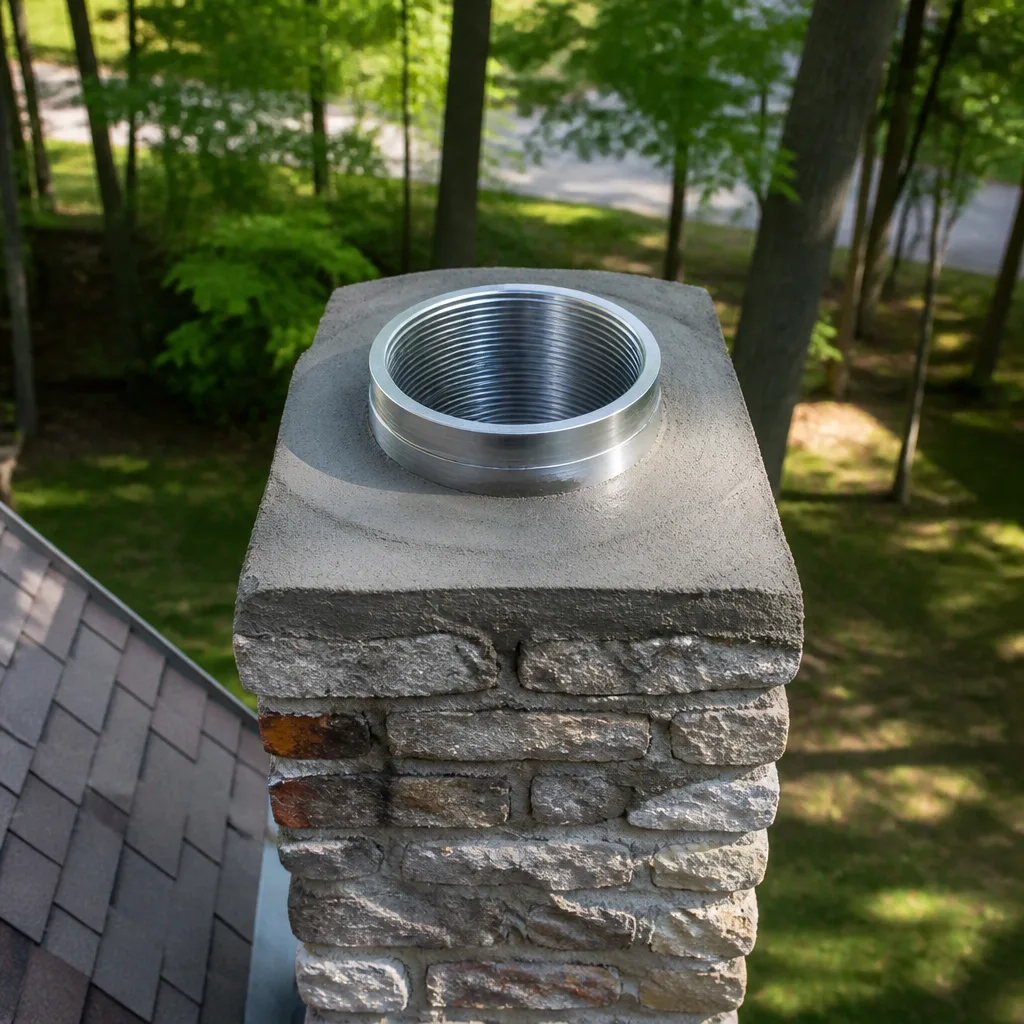
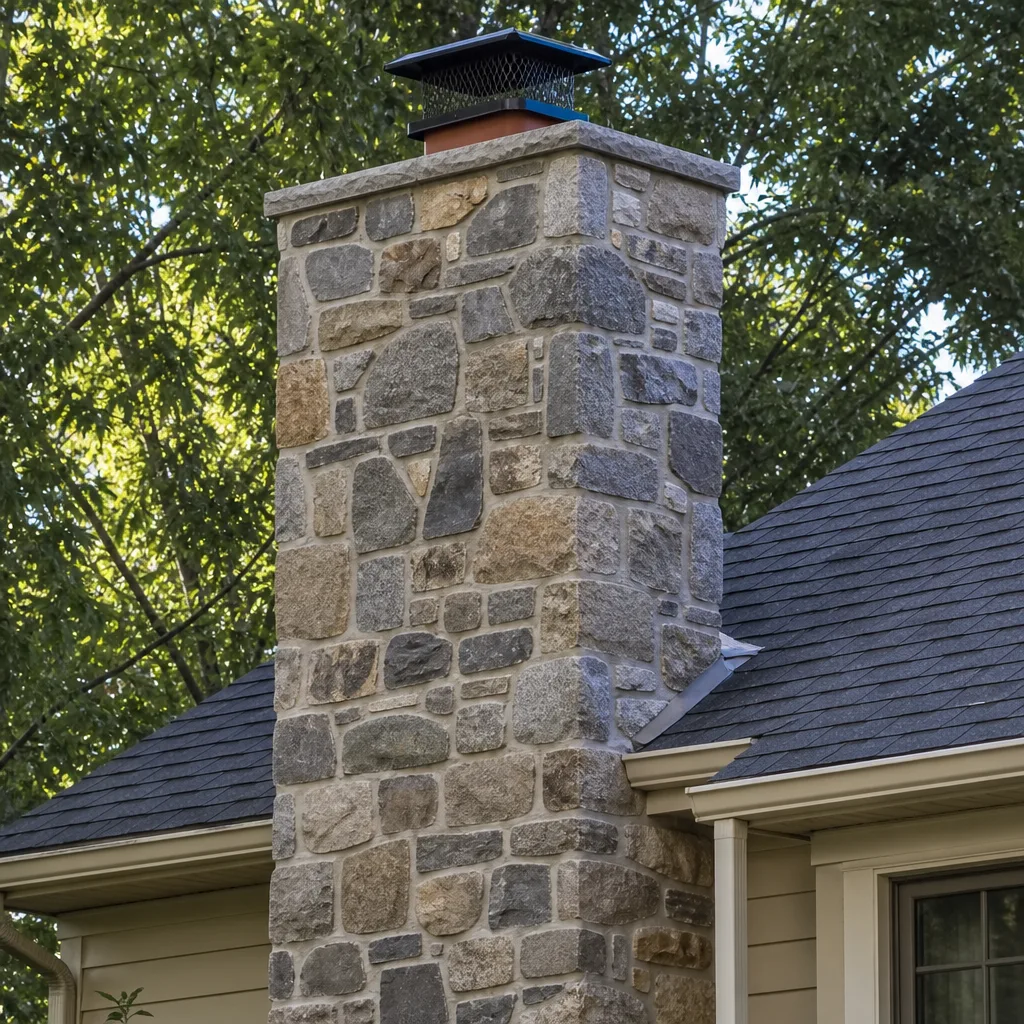
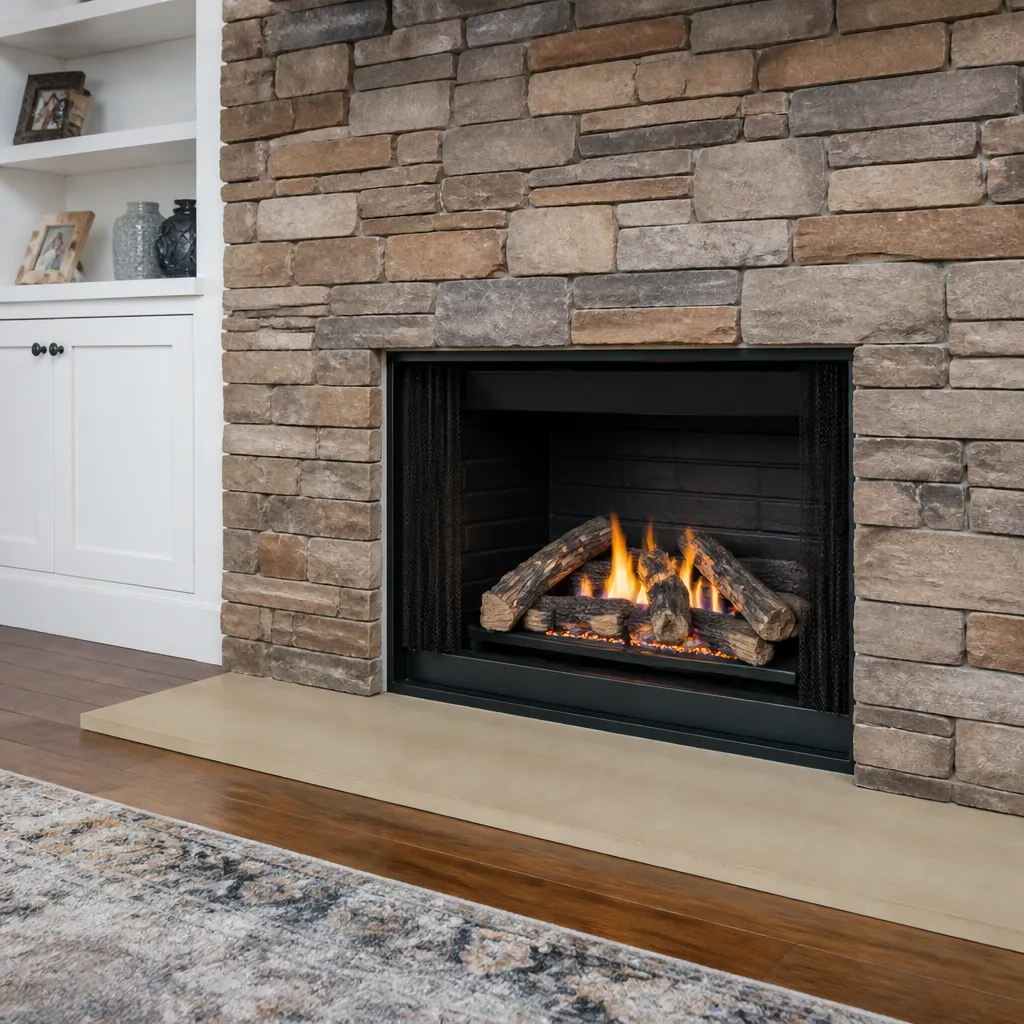
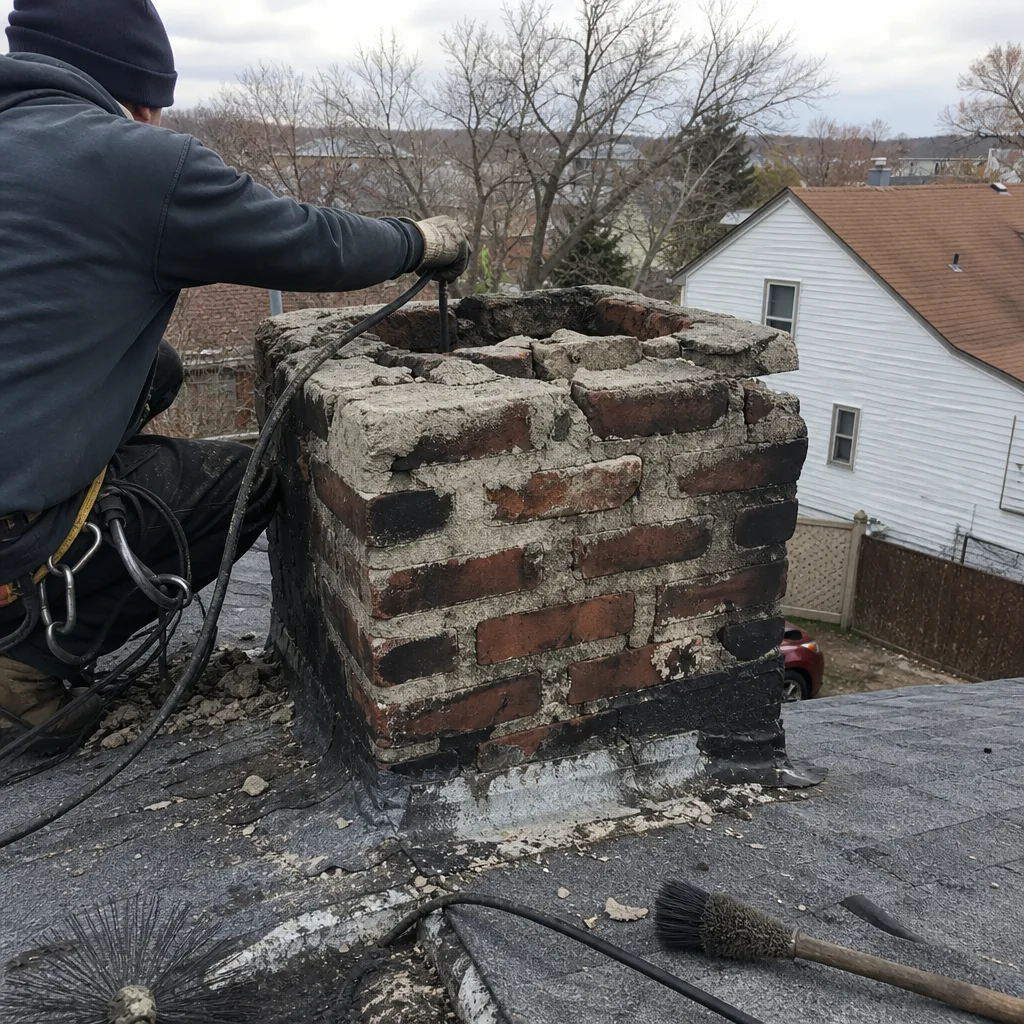 Before
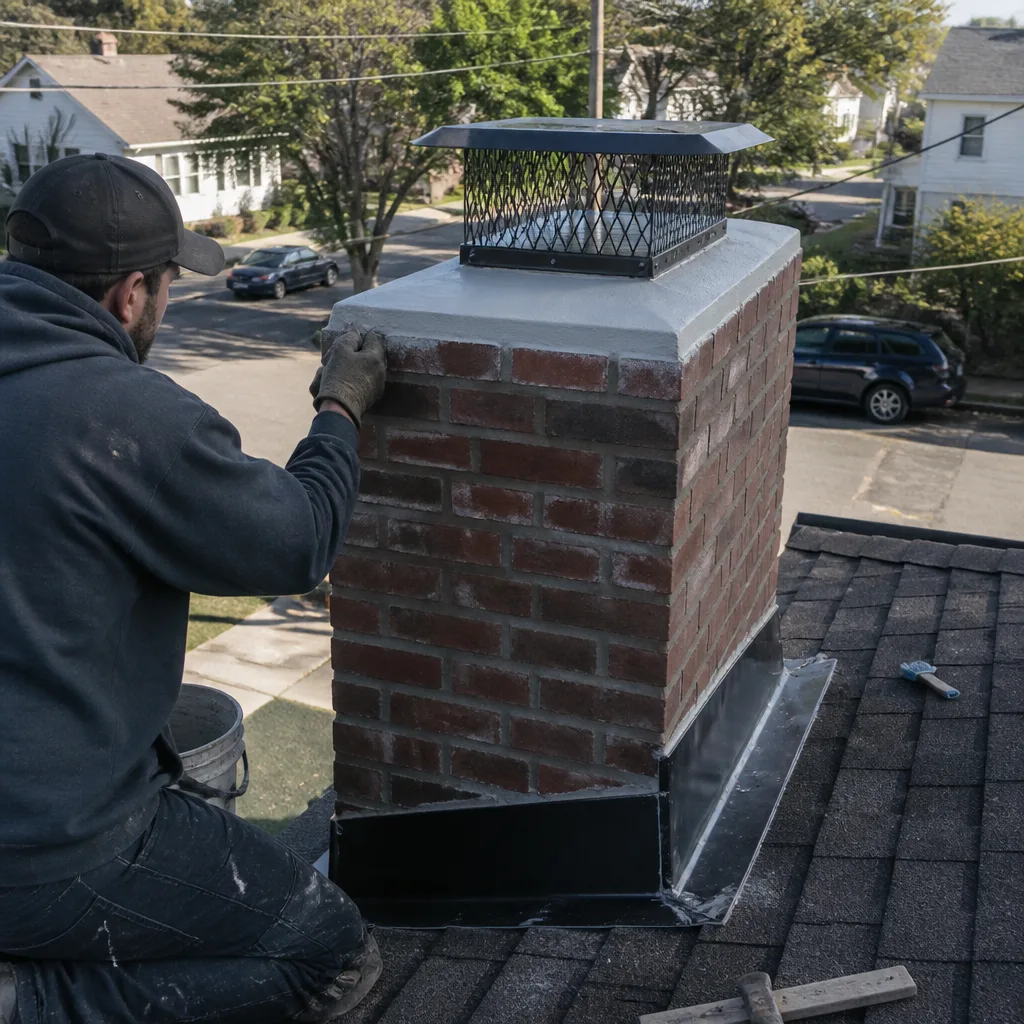 After
After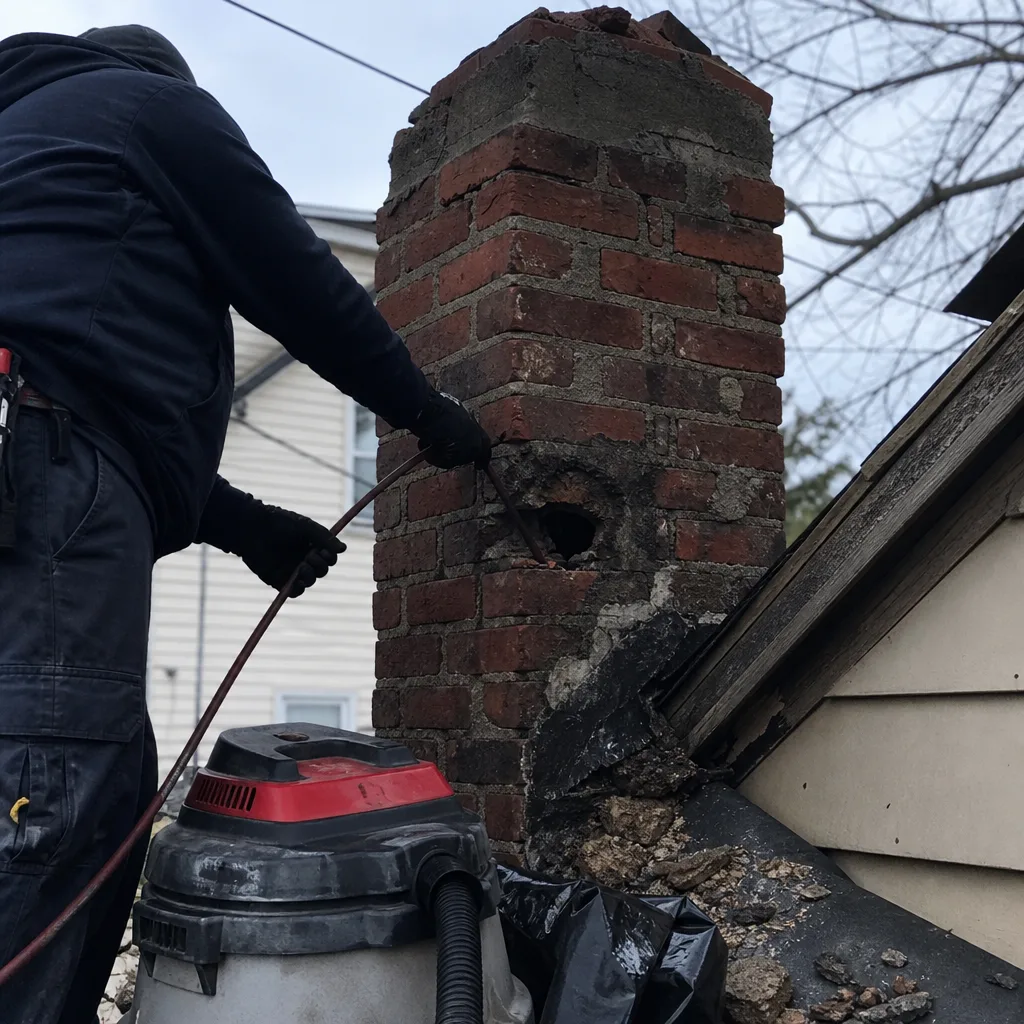 Before
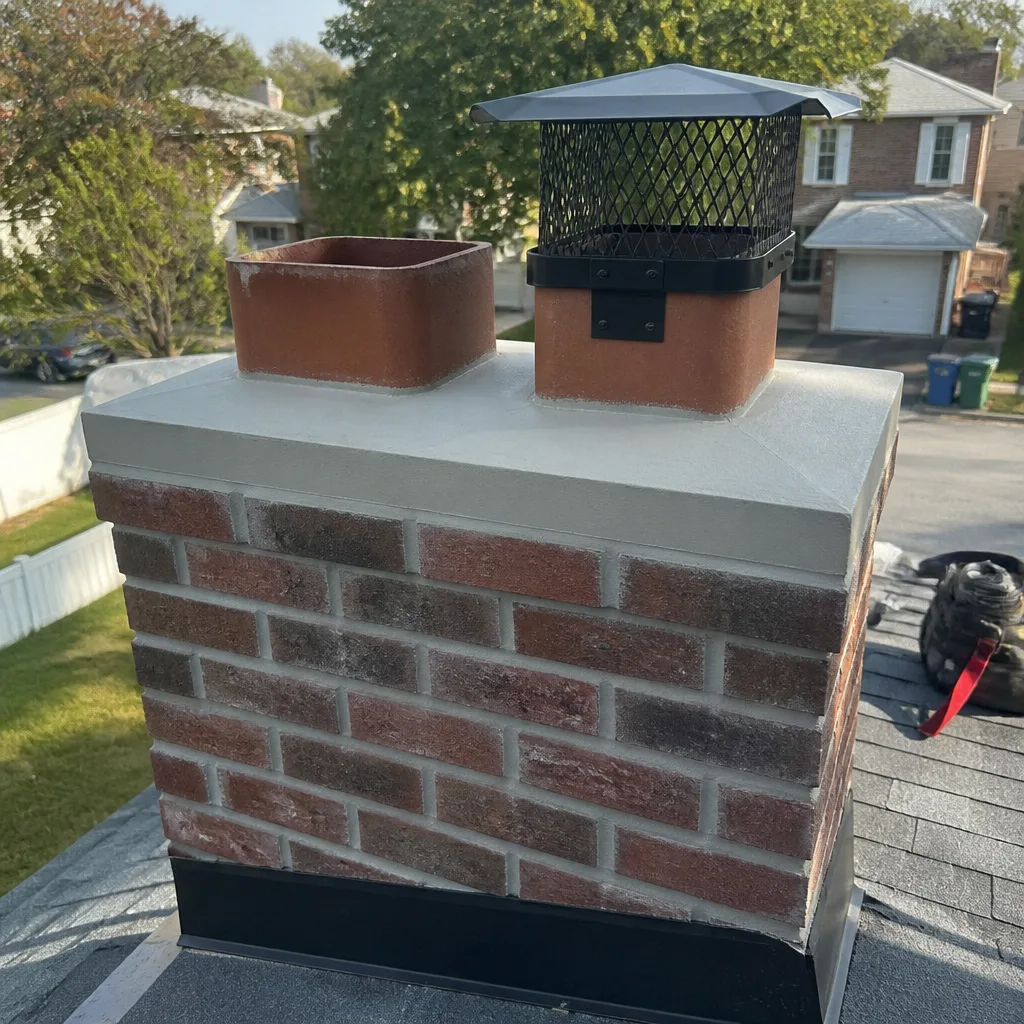 After
After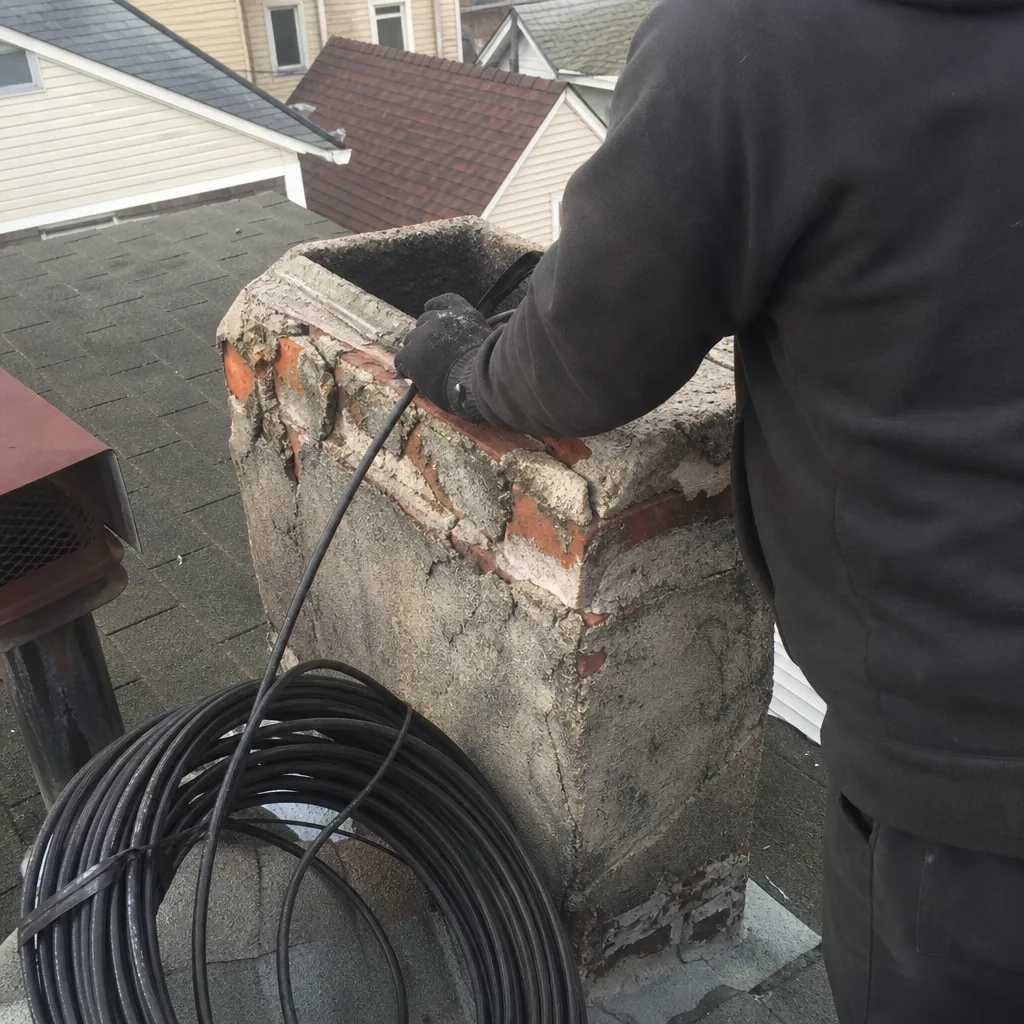 Before
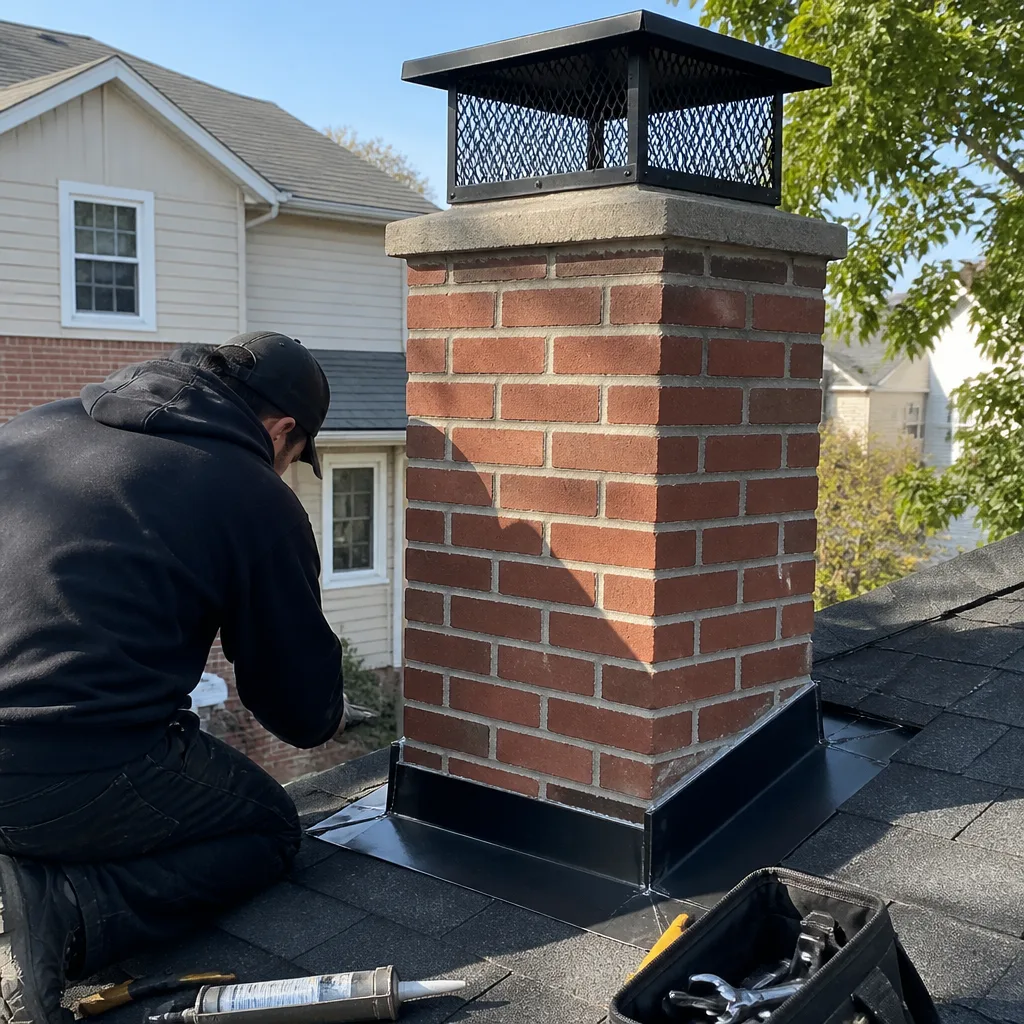 After
AfterGelco Flue Liner Replacement: The Queens Owner’s Guide
Gelco flue liner replacement in Queens typically runs $1,800 to $3,400 installed, depending on liner diameter, chimney height, and whether the existing liner pulls out clean or needs to be cut out in sections. We stock Gelco-compatible stainless steel replacement liners in the common Queens sizes - 6-inch and 8-inch round, plus the 6 5/8-inch oval that turns up in pre-war two-families from Woodside to Bayside. Most replacements are completed in a single day, and our trucks carry the full range of Gelco termination caps, top plates, and connector adaptors so we aren’t making a second trip.
Most Queens homeowners discover their Gelco liner has failed during a routine sweep when the camera catches a crack, or when they smell smoke in an upstairs bedroom because a split seam is leaking flue gases into the chase. In older brick flues common along the Woodhaven Boulevard corridor, we’ve seen liners that were installed in the 1990s finally give out after decades of freeze-thaw cycling through New York winters.
Which Gelco Models This Applies To
Gelco manufactured flue liners under several product lines, and identifying the correct replacement starts with what’s still inside your chimney. The Gelco Ultrastar and Gelco Pro series were the most common installations in the Northeast from the late 1980s through the early 2000s. Ultrastar liners are 316Ti stainless steel with a corrugated flex profile; Pro series used a smoother wall design that some sweeps preferred for draft performance in taller Queens chimneys. Both lines carried a lifetime warranty when new, but warranty coverage transfers only to the original purchaser - something we explain plainly before any work begins.
To identify your liner, check the termination cap for a stamped Gelco logo or part number. If the cap has been replaced, we measure the liner diameter at the thimble connection and check wall thickness with a caliper. The critical compatibility gotcha: Gelco’s oval-to-round adaptors were proprietary, and a generic adaptor will leave a gap that leaks creosote into the chase. We stock OEM-pattern Gelco adaptors and also carry HeatShield and DuraFlex equivalents where the original spec has been discontinued. Our preference is to match the original engineering where possible - a liner that fits the way the manufacturer intended drafts better and cleans easier for the life of the installation.
Signs Your Gelco Flue Liner Replacement Is Failing
- Smoke or odors in upper floors. A split seam or corroded pinhole in the liner wall lets flue gases escape into the chimney chase, and in Queens’s common balloon-frame construction, those gases travel horizontally through wall cavities. We locate these with a camera inspection - the leak is rarely visible from the firebox.
- Flaking rust or orange staining at the cleanout door. Gelco’s 316Ti steel resists corrosion well, but if the original installer used a non-stainless connector or if condensate has pooled at a low spot, localized rust develops from the outside in. The liner looks intact from inside but is paper-thin at the failure point.
- Deteriorating mortar joints in the surrounding brick. When flue gases leak past a cracked liner, the acidic condensate attacks the mortar between flue tiles or bricks. In Queens’s freeze-thaw climate, that weakened mortar spalls out within a season or two, and the repair grows from liner-only to liner plus pointing.
- Visible sag or dip in the liner profile. Gelco flex liners rely on proper tensioning during installation. If the top plate loosens or if the original installer didn’t anchor correctly, the liner sags at elbows or offsets. That low spot collects condensate, accelerates corrosion, and restricts draft - especially problematic with the shorter chimneys in ranch-style homes near Jamaica Estates.
- Your sweep flags “liner movement” during cleaning. A liner that shifts when brushed has lost its top anchor or bottom support. This is more common than homeowners expect in Queens’s older housing stock, where thermal cycling and building settlement work the liner loose over fifteen to twenty years.
Replacement Cost & What’s Included
| Scope | Queens Price Range |
|---|---|
| 6-inch round Gelco-compatible liner, single-story chimney | $1,800 - $2,400 |
| 8-inch round or 6 5/8-inch oval, two-story chimney | $2,600 - $3,400 |
| Cut-out and removal of failed liner (stuck/separated) | Add $300 - $600 |
| Chase pan / top plate replacement | Add $180 - $320 |
What drives the range: chimney height, liner diameter, and the condition of the existing installation. A liner that pulls out in one piece saves labor; one that has separated into sections inside a tight flue takes longer. Every estimate includes the Level-2 camera inspection, the new Gelco-compatible liner with proper termination, and a photo report you can keep. Our no-hassle upfront pricing means the number on the estimate is the number on the invoice. The 90-Day Done Right Promise covers the installation - if it’s not right, we make it right, in writing, no arguing.
DIY or Call Us?
There’s a short list of things a homeowner can safely check: verify the termination cap is present and secured, look for obvious rust staining at the cleanout, and confirm the damper opens fully. Beyond that, flue liner replacement involves working at height on a roof, handling sharp stainless steel edges, and properly sizing draft for the connected appliance - a mismatch here creates carbon monoxide risk that no homeowner should take on.
The real danger isn’t the installation itself; it’s what you can’t see from the firebox. A liner can look sound for ten feet and fail catastrophically at the eleventh. Our camera inspection finds what eyes and flashlights miss. If it’s wrong, we’ll say so. If we fix it, it stays fixed. Call (516) 531-6315 and we’ll walk you through what we found and what it costs before anyone picks up a tool.
FAQs
A properly installed Gelco 316Ti stainless liner should last 20 to 30 years in Queens’s climate, though we’ve seen premature failures at 12 to 15 years where condensate collected at low points or where non-stainless connectors corroded. Salt air exposure in neighborhoods closer to the bay can accelerate surface oxidation. Call (516) 531-6315 for a camera inspection - estimates are free.
Small, accessible cracks in a rigid liner can sometimes be addressed with HeatShield cerfractory sealant, but Gelco flex liners with seam splits or wall thinning need full replacement - the damage propagates once started. We show you the camera footage and give a straight recommendation; if a repair is safe and sensible, we’ll say so. Call (516) 531-6315 for an exact quote.
Most Gelco liner replacements are completed in four to six hours, with the crew arriving in the morning and the system test-fired before we leave. Jobs requiring liner cut-out or chase repair may run into a second day. We schedule with a firm arrival window, not a vague “sometime Tuesday.” Call (516) 531-6315 to book.
We carry Gelco-compatible liners in 6-inch, 6 5/8-inch oval, and 8-inch diameters, plus termination caps, top plates, and the proprietary adaptors that generic kits don’t include. For uncommon sizes or discontinued Gelco series, we can typically source within 24 to 48 hours. Call (516) 531-6315 with your model number and we’ll confirm stock before we roll.
Hearthstone Chimney Co. is an independent service provider - we are not affiliated with or authorized by Gelco Manufacturing. We source professional-grade materials from Gelco, DuraFlex, HeatShield, Olympia Chimney, Famco, and Copperfield based on what the job requires, not what a brand contract dictates.
Written by Russell Haines, Owner, Hearthstone Chimney Co. at Hearthstone Chimney Co., serving Queens and nearby areas.