
Level 1 sweep and inspection to the NFPA 211 annual standard - flue, crown, cap, and flashing checked and photographed
Chimney sweep logs do not sweep chimneys. They loosen some creosote - which then falls where a brush and vacuum still have to collect it.
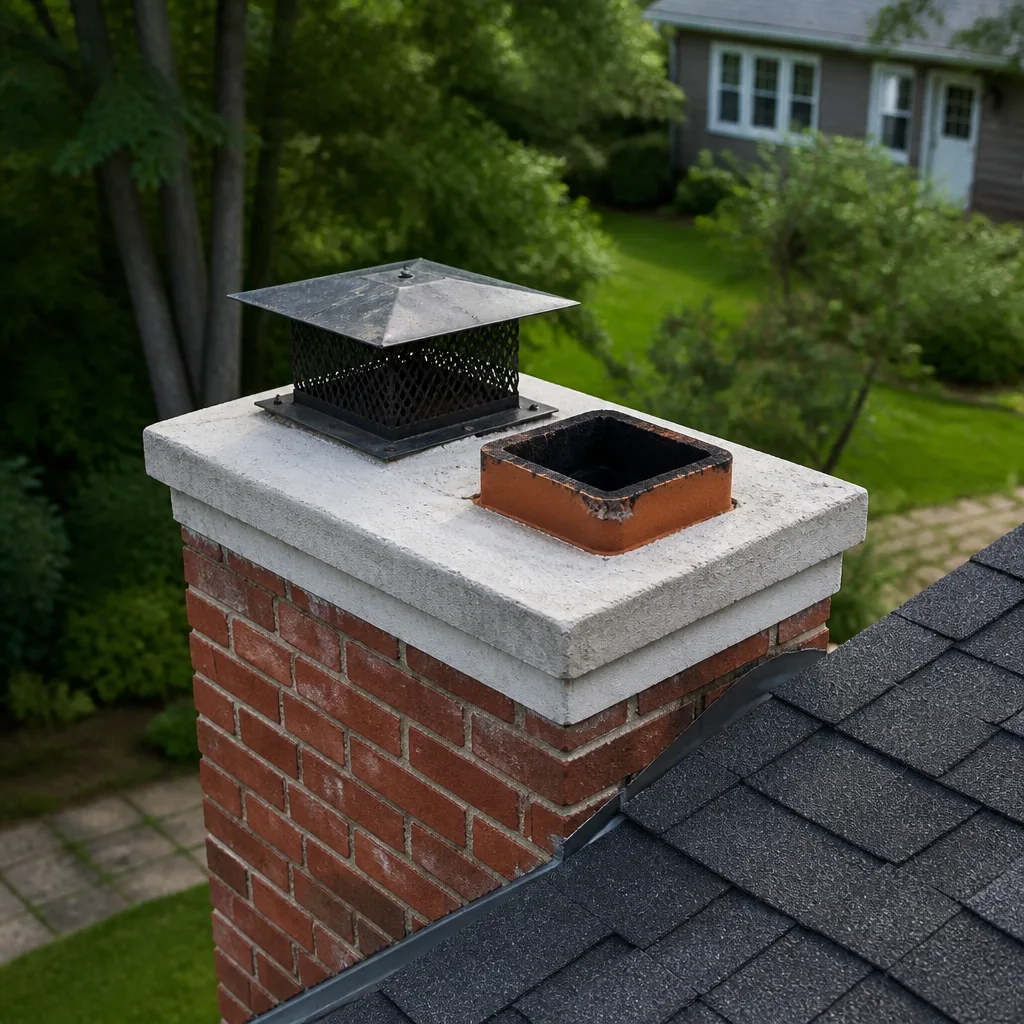
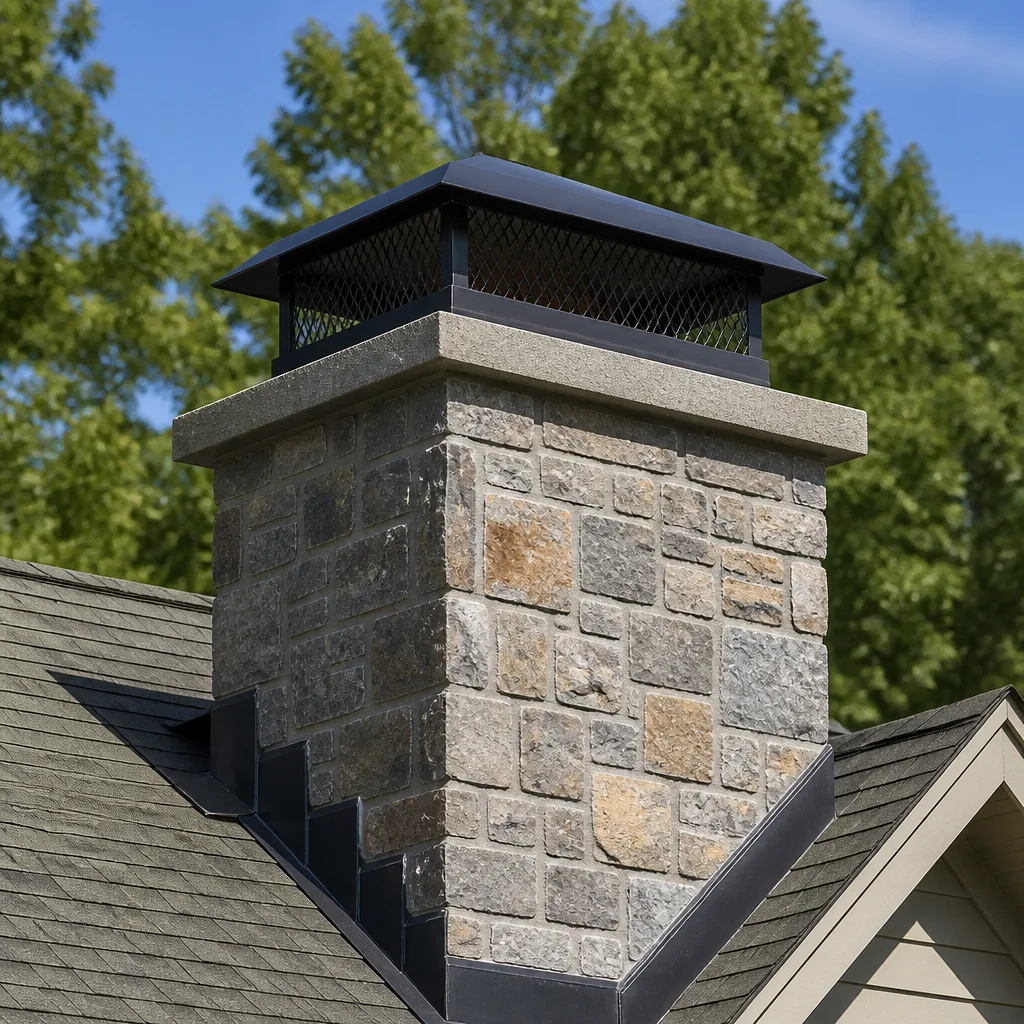
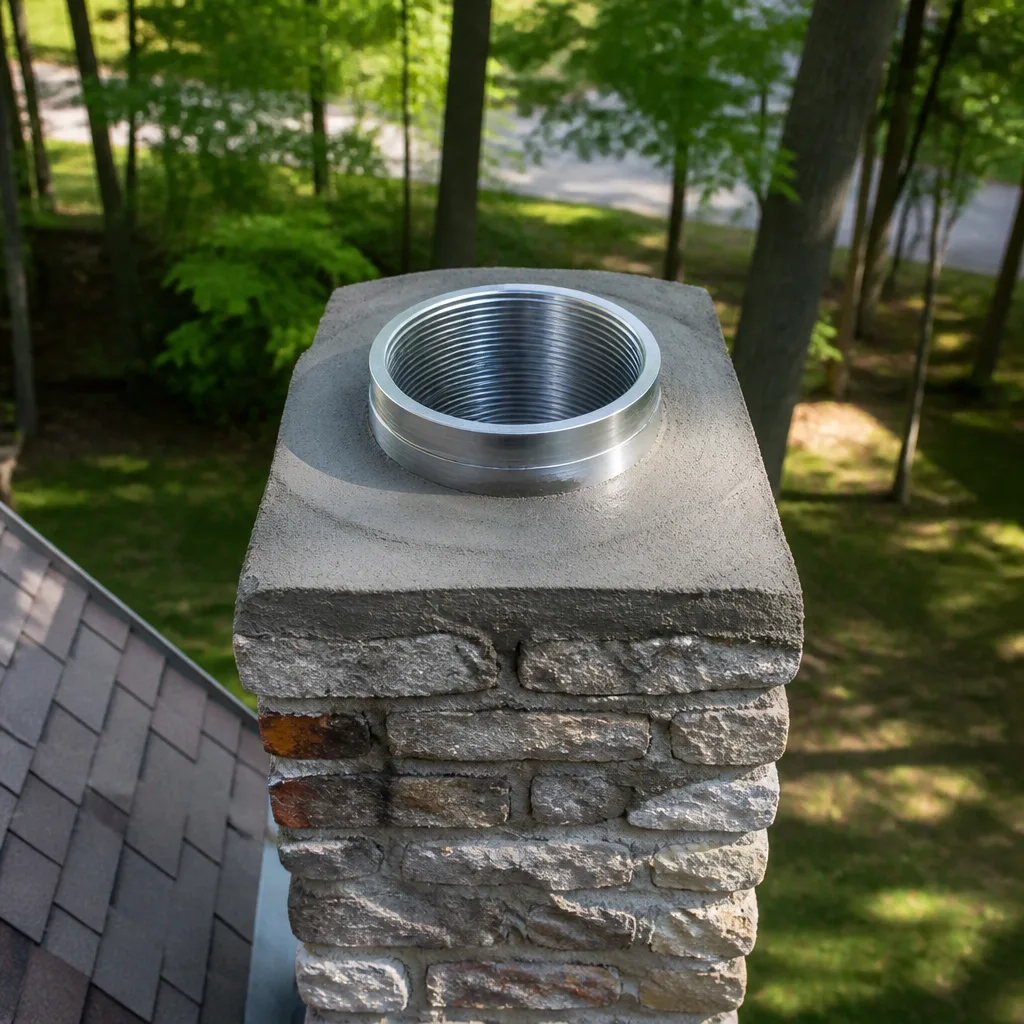
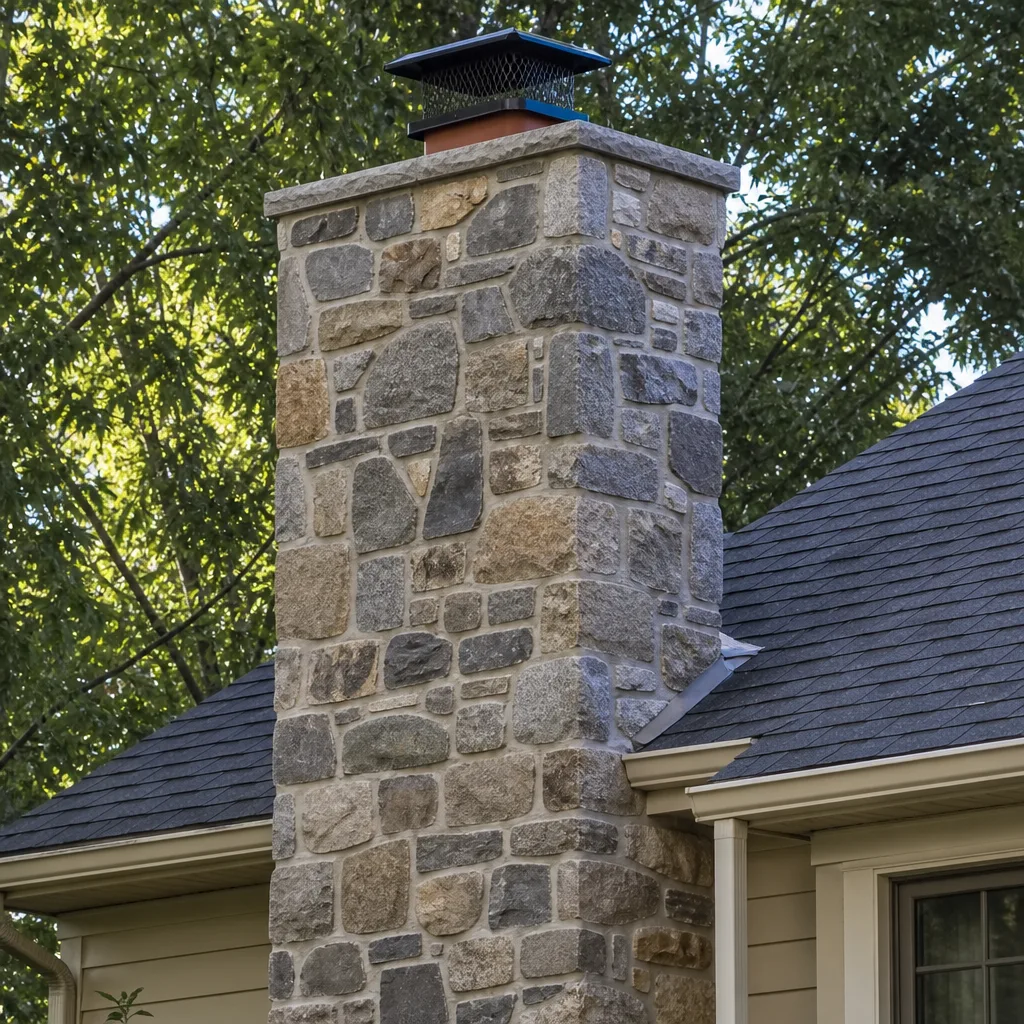
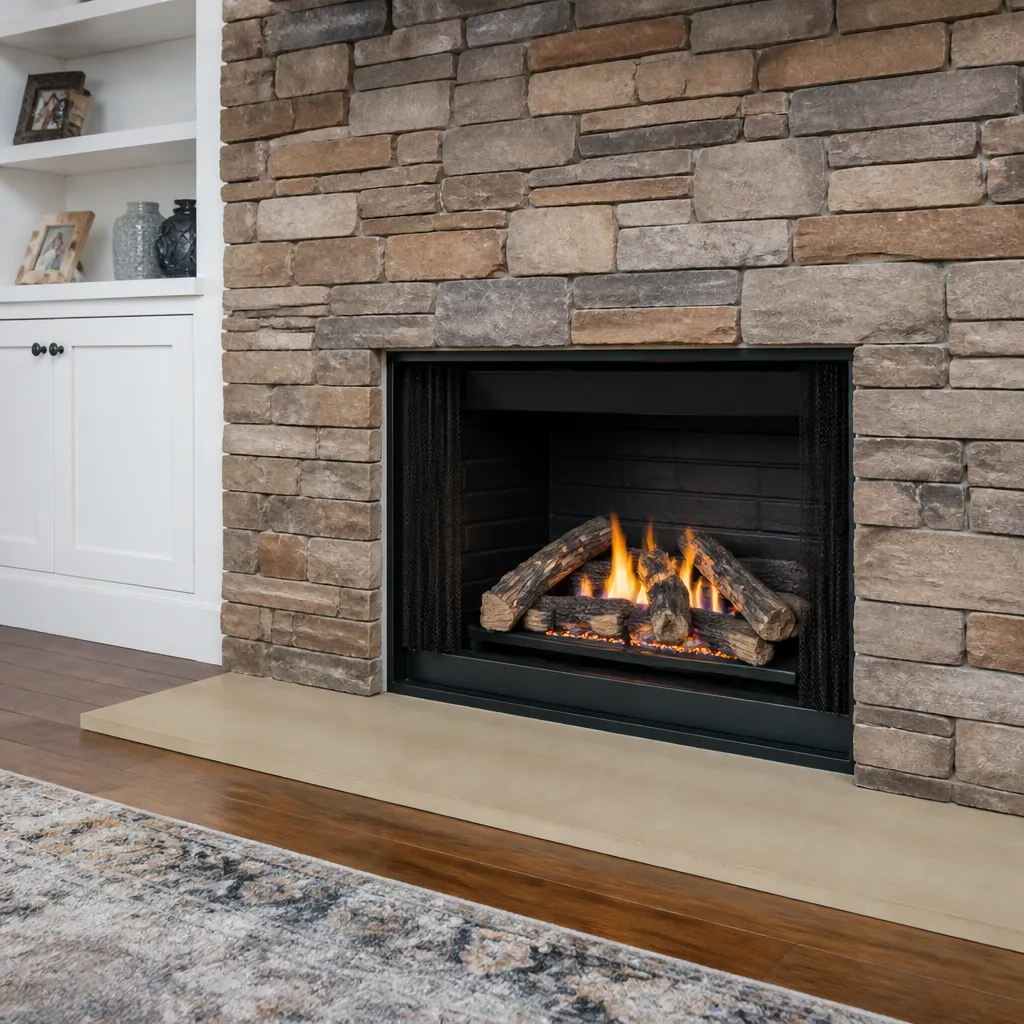
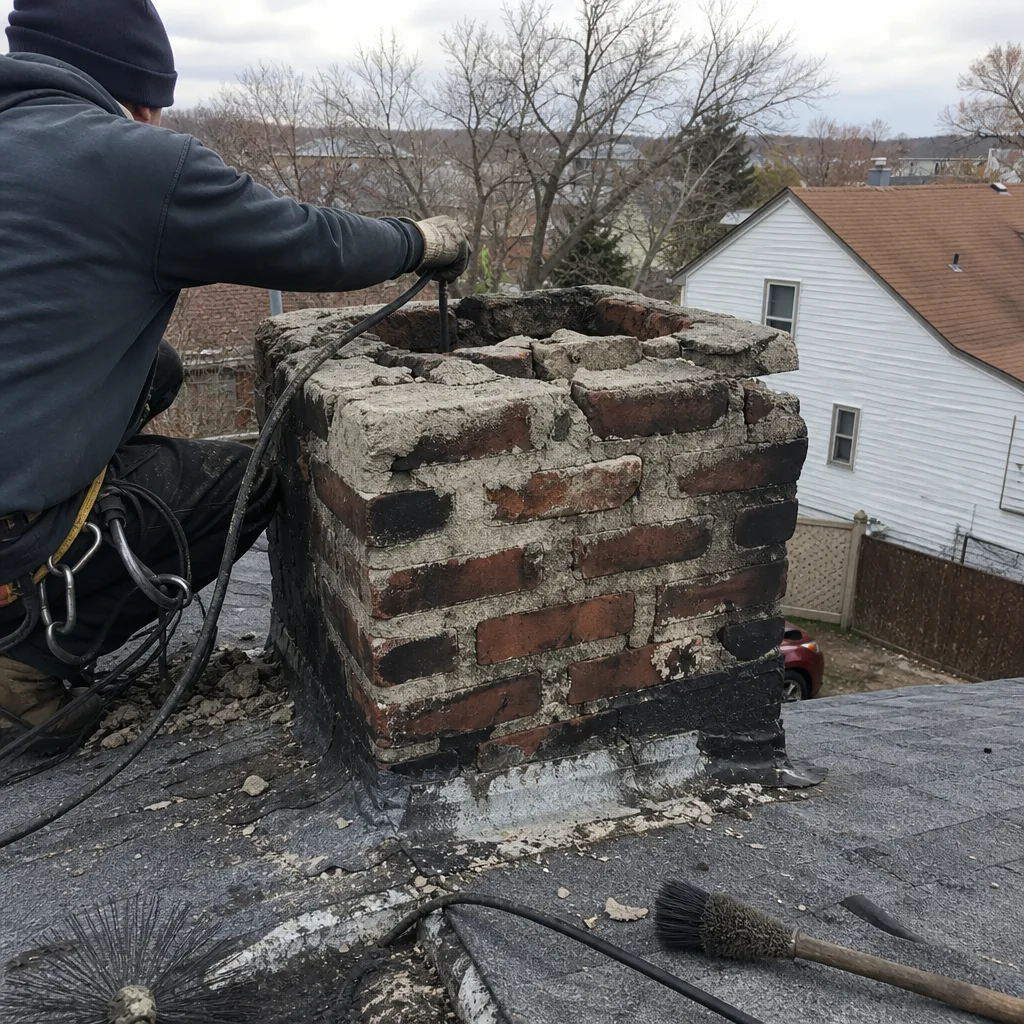 Before
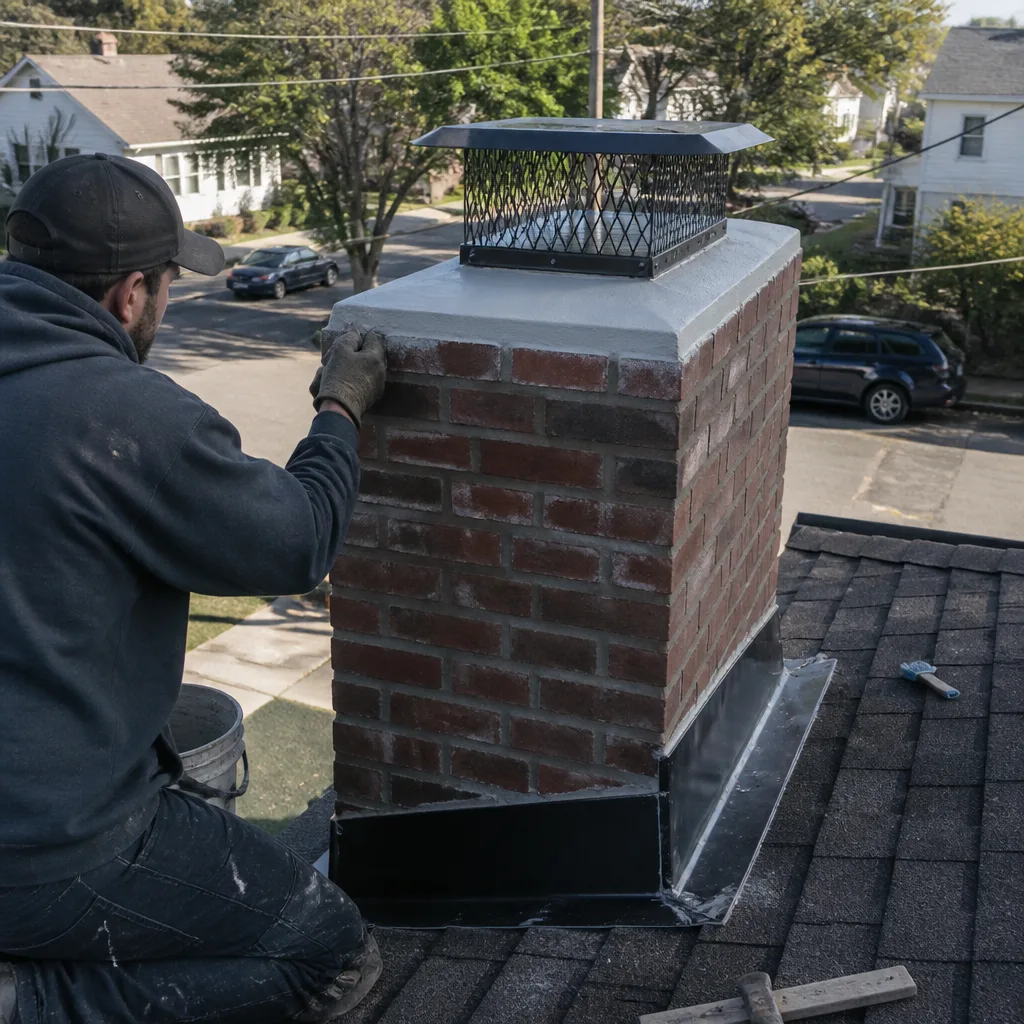 After
After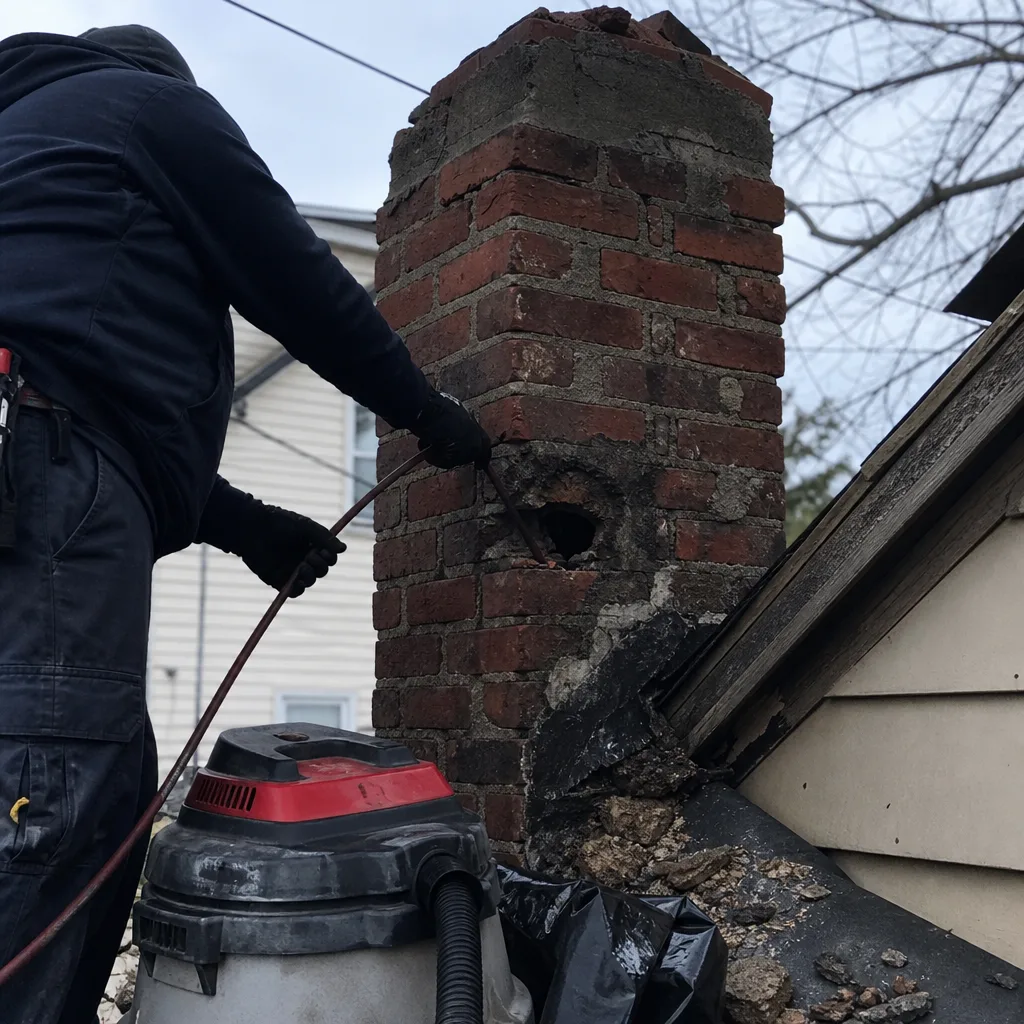 Before
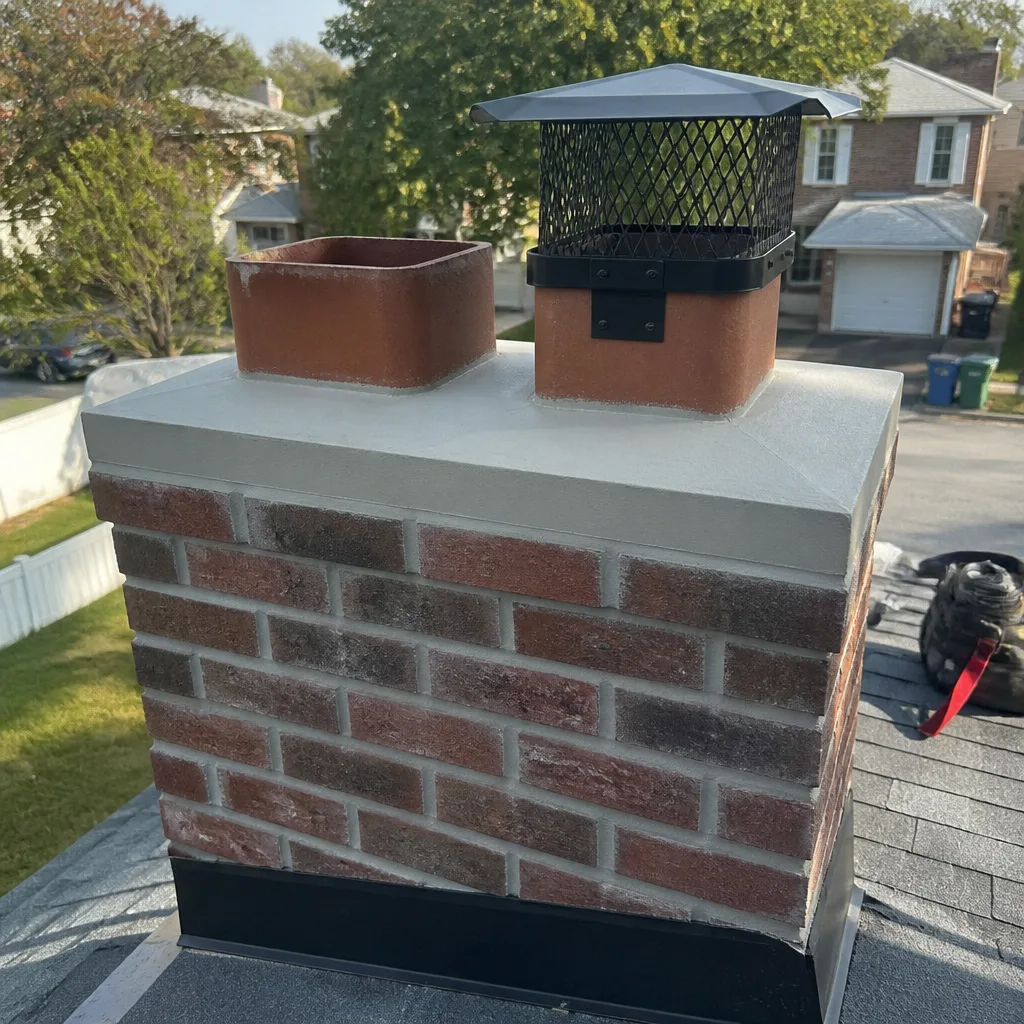 After
After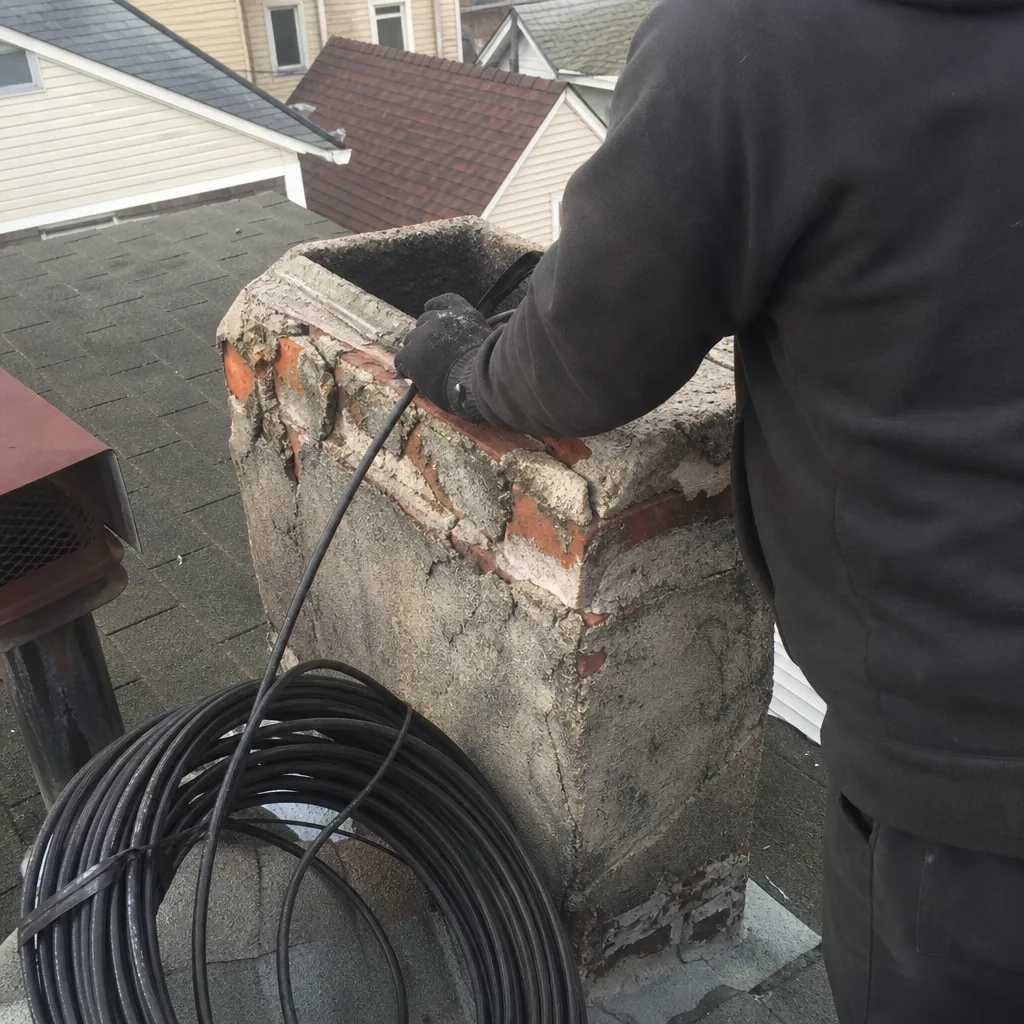 Before
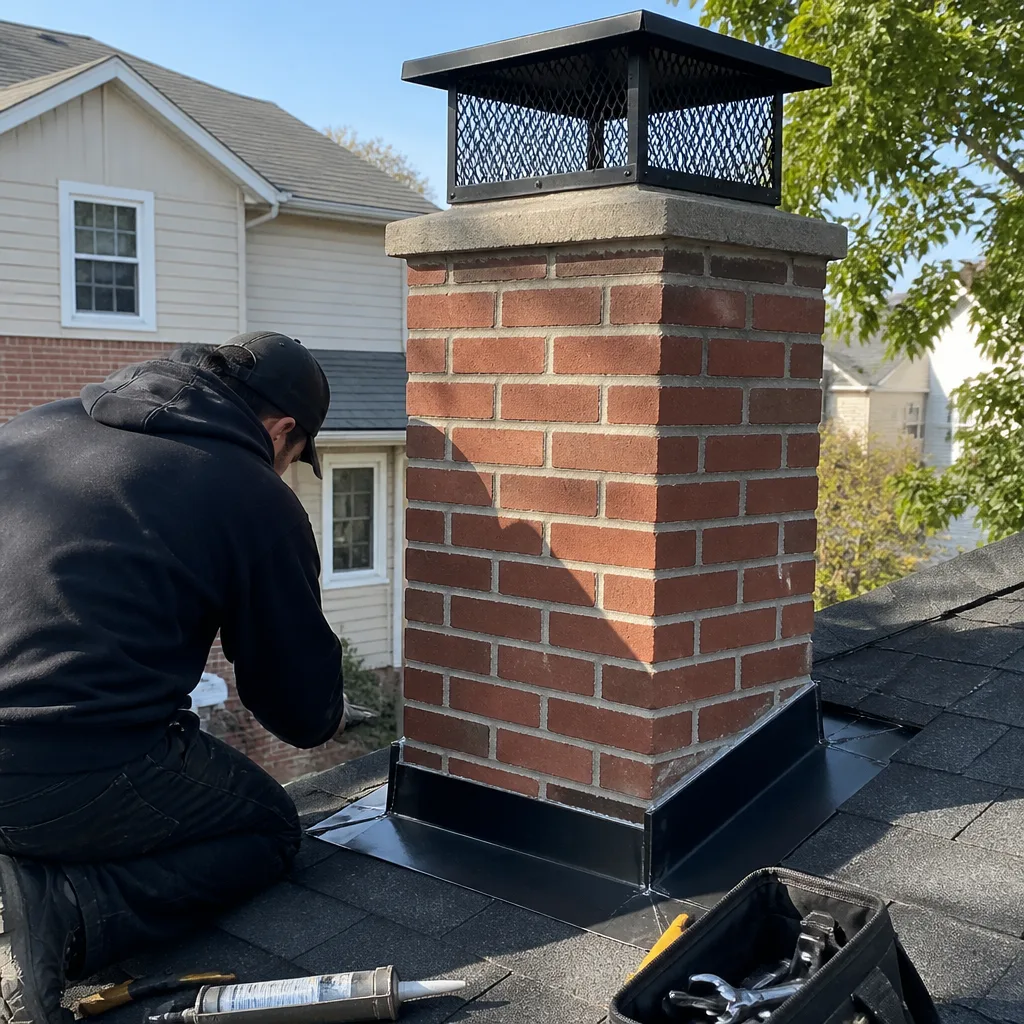 After
AfterCreosote Removal in Queens, NY
Creosote removal is the process of stripping hardened, flammable deposits from the interior walls of your flue – deposits that build up every time you burn wood and that pose a genuine fire risk if left alone. In Queens, where older attached homes and converted fireplace systems are common, we see heavy creosote accumulation more often than you might expect. If you haven’t scheduled Chimney Cleaning & Sweep services in a year or more, there’s a good chance creosote is already working against you.
Hearthstone Chimney Co. has been handling this work since 1984. Our technicians are background-checked, uniformed, and arrive with the rotary tools, chemical treatments, and Level 2 Inspection camera equipment to assess and clear your flue in a single visit. You can reach a live person at (516) 531-6315 any hour of the day or night – no voicemail, no callback queue. And everything we do falls under our 90-Day Done Right Promise: in writing, no arguing, no paperwork.
This page covers creosote removal specifically. For a full picture of annual maintenance, you’ll find everything you need on our Chimney Cleaning & Sweep in Queens page, which is the parent service this work sits under.
What Creosote Actually Is – and Why Queens Homes Are Prone to It
Creosote forms when wood smoke cools too quickly inside the flue and the unburned gases condense on the liner walls. It starts as a dusty, flaky residue that a good sweep brush handles easily. Left alone, it bakes into a tar-like coating. Left alone longer, it hardens into a shiny, glassy crust that can be harder than the liner itself and practically impervious to standard brushing.
Chimney professionals classify creosote in three stages:
- Stage 1 (First-Degree): Loose, sooty flakes. Removed with standard rotary or hand brushing during a routine sweep. If you’re getting your chimney cleaned annually, this is all you should ever see.
- Stage 2 (Second-Degree): A harder, tar-like coating that sticks to the liner walls. Requires specialized rotary chain flails and often a chemical pre-treatment to break it down before mechanical removal.
- Stage 3 (Third-Degree): Glassy, rock-hard glazed creosote. This is the serious one. At this stage, removal requires a combination of concentrated chemical treatments – applied over one or more visits – followed by aggressive mechanical clearance. In some cases, Stage 3 deposits can crack or spall clay tile liners, which means we may also need to address liner damage after removal is complete.
Queens presents specific conditions that accelerate creosote development. Many homes in Jamaica, Flushing, Forest Hills, and Bayside were built between 1920 and 1960 with shorter, often unlined masonry chimneys that were later adapted for modern fireplaces or wood stoves. Shorter flues mean faster cooling, which means heavier condensation. Attached row homes in neighborhoods like Astoria and Jackson Heights often have shared chimney stacks where airflow dynamics work against proper draft. And during New York’s cold stretches – January nights regularly dropping below 15°F in central Queens – homeowners tend to burn longer and harder, which compounds buildup fast when the fire isn’t burning hot enough to keep the flue warm.
When You Need Creosote Removal
- You smell something acrid or tar-like when the fireplace is cold. Stage 2 and Stage 3 creosote have a sharp, oily smell that travels even without a fire burning. If you’re catching that smell in November before the season starts, the deposit is already significant.
- You see a dark, shiny coating when you look up the flue with a flashlight. Glossy buildup visible to the naked eye from the firebox is almost always Stage 3. That’s not a routine sweep – that’s a removal job, and it should be treated as one before you light another fire.
- Your fires have been slow to start and hard to keep going. Heavy creosote narrows the flue opening and disrupts draft. If you’ve been fighting your fireplace every winter, the problem may not be your wood or your technique – it may be the flue.
- You haven’t had a cleaning in more than two years. In Queens, where heating seasons run hard from November through March, two years without a sweep is enough time for a slow-burning fireplace to produce meaningful Stage 2 accumulation, especially if you’ve been burning softwoods or green wood.
- You’ve had a chimney fire – even a small one. Creosote is what chimney fires burn. If you’ve ever heard a roaring or crackling sound in the flue, noticed unusual heat from the fireplace surround, or seen your neighbors’ smoke alarm trip during your fire, a past chimney fire is a real possibility. Stage 3 creosote and fire-cracked liner tiles often appear together, and both require attention before the fireplace is used again.
- Your liner inspection shows a coating thicker than 1/8 inch. The National Fire Protection Association’s NFPA 211 standard calls for removal when deposits reach that threshold. Our Level-2 camera inspections measure this directly and give you the documentation to act on – or to share with your insurance carrier if needed.
Our Creosote Removal Process
- Pre-Visit Assessment and Level-2 Camera Inspection. We start at the firebox and work up. Before any tools go in, a high-resolution camera travels the length of the flue so we can see exactly what we’re dealing with – the stage of creosote, the extent of coverage, and whether the liner itself has been compromised. You see the same footage we do, and we give you a plain-English verdict before the work begins. No guessing, no surprises.
- Upfront Pricing Confirmation. Once the inspection tells us what we’re working with, we confirm the price. The number on the estimate is the number on the invoice – that’s how we’ve operated since 1984, and it’s not going to change. If the camera turns up a liner issue we need to discuss, we’ll tell you plainly what it is and what it will cost to address, and we’ll let you decide.
- Drop Cloths and Firebox Sealing. Creosote removal is a dirty job. Before tools enter the flue, we seal the firebox opening with a drop-cloth barrier and lay protection across the surrounding floor and hearth. The mess stays in the chimney, not in your home.
- Mechanical Removal with Rotary Equipment. For Stage 2 buildup, our technicians use professional-grade rotary chain flails – tools that are not available at hardware stores and are calibrated to break up hardened deposits without gouging the liner. For Stage 3 glazed creosote, we apply a chemical treatment first to change the deposit’s structure from hard and glassy to brittle and removable, then return to clear the treated material. In some cases, Stage 3 removal requires a second visit after the chemical has had time to work. We’ll tell you honestly up front if that’s what your flue needs.
- Post-Removal Inspection and Documentation. After clearance, the camera goes back in. We document the clean flue with photos, note any liner conditions that need monitoring, and leave you with a record of the work. If anything we find requires a repair – a cracked tile, a damaged liner section – we’ll show you the photo and explain your options using materials from brands like Olympia Chimney and Gelco that we know will hold up under real use.
- Cleanup and Verdict. We clean up completely before we leave. Your firebox surround and hearth will be in the same condition we found them. Before we go, we walk you through what we found, what we did, and what – if anything – to watch for before next season. You’ll have our number and our 90-Day Done Right Promise in writing if anything comes up afterward.
Creosote Removal Pricing in Queens
Creosote removal in Queens typically runs between $200 and $800, depending on the stage of buildup and the length and configuration of your flue. Here’s a plain breakdown of what drives cost:
| Service Type | Typical Range | Notes |
|---|---|---|
| Standard sweep with light Stage 1 creosote | $150 – $250 | Included in routine annual cleaning; no additional treatment needed |
| Stage 2 creosote removal (rotary mechanical) | $250 – $450 | Requires rotary chain equipment and additional labor time |
| Stage 3 glazed creosote removal (chemical + mechanical) | $450 – $800+ | May require two visits; price depends on flue length and deposit thickness |
| Level-2 camera inspection | Included | Always performed before and after removal; documentation provided |
| Liner repair following Stage 3 removal (if needed) | Quoted separately | Discussed only when inspection shows damage; no pressure, your decision |
A few Queens-specific factors that affect where you land in those ranges: homes in older neighborhoods like Richmond Hill or Woodhaven often have longer, unlined masonry flues that take more time to clear. Wood-burning inserts in homes in Fresh Meadows and Douglaston – particularly units installed in the 1980s and 1990s – frequently have narrower flue dimensions that require slower, more careful tool work. And any flue that’s been used with unseasoned or softwood fuel will generally show heavier Stage 2 buildup than one where the homeowner has been burning dry hardwood consistently.
We offer a $50 Off Any Repair Over $250 for qualifying work, a permanent 5% Senior and Veteran discount, and a Free Second Opinion on any written estimate you’ve already received from another company. Call (516) 531-6315 for a free estimate – the inspection tells us exactly what your flue needs, and we’ll give you a straight number before any work begins.
Key Takeaways
- Creosote has three stages. Stage 1 clears with a standard sweep; Stages 2 and 3 require specialized tools, chemical treatments, or both.
- Queens homes – particularly older attached masonry construction in Astoria, Jamaica, and Forest Hills – are prone to faster accumulation due to flue configuration and heating patterns.
- Stage 3 glazed creosote can crack clay tile liners. If you’re seeing it, the liner needs to be inspected at the same time, not after.
- Every Hearthstone removal job starts and ends with a Level-2 camera inspection. You get photos and a plain-English verdict.
- Pricing is upfront. The estimate is the invoice.
- All work carries the 90-Day Done Right Promise – in writing, no arguing.
FAQs – Creosote Removal
How much does creosote removal cost in Queens?
Creosote removal in Queens costs between $200 and $800 depending on the stage of buildup and your flue’s length and configuration. Stage 1 buildup is handled as part of a Fireplace Cleaning standard sweep and doesn’t add cost. Stage 2 mechanical removal runs $250 to $450. Stage 3 glazed creosote, which requires chemical pre-treatment and often a second visit, typically lands between $450 and $800. We provide a Level-2 camera inspection before any work begins so you know exactly what you’re dealing with before we give you a number. Call (516) 531-6315 for a free estimate – no obligation, no guesswork.
Is creosote removal something a homeowner can do on their own?
Stage 1 creosote – the loose, sooty flakes you’d see with a flashlight after a single season of occasional use – can sometimes be brushed out with a proper chimney brush by someone who knows how to use one. But Stage 2 and Stage 3 deposits are a different matter entirely. The rotary chain tools required for Stage 2 are professional equipment, and the chemical treatments used on Stage 3 glazed creosote are concentrated formulations that require careful application and timing. More to the point: hardened creosote can disguise cracked liner tiles that are only visible with a camera. Clearing the creosote without inspecting the liner underneath means potentially missing the damage that the creosote caused – and that damage is what turns a chimney fire into a structural event. We’d rather you call us than find out the hard way.
How often should creosote be removed from a chimney in Queens?
For most Queens homeowners who use a fireplace regularly through a full heating season, an annual Level 1 Inspection and creosote assessment is the right interval – and it matches the NFPA 211 standard that insurers and fire marshals reference. If your flue has shown Stage 2 buildup in prior years, or if you’re burning more than two to three cords per season, twice per year isn’t excessive. The goal is to clear Stage 1 buildup before it has the chance to bake into Stage 2. Annual visits make that possible; skipping years makes it expensive to catch up.
Can creosote removal damage my chimney liner?
Done correctly with the right equipment, no. The rotary chain flails we use for Stage 2 removal are calibrated to break up deposits, not liner material – and the camera inspection before and after gives us a clear record of liner condition at both points. The real risk runs the other direction: leaving Stage 3 glazed creosote in place is what damages liners, because the extreme heat of a creosote fire can crack or spall clay tile sections in minutes. Removal – when it’s done properly, with professional tools and a camera to verify the result – protects the liner rather than threatening it. If the inspection after removal reveals damage that was hidden under the deposit, we’ll show you the photos, explain exactly what it means, and give you options using materials from brands like Gelco and Olympia Chimney that are built for long-term liner performance.
Hearthstone Chimney Co. has been handling creosote removal in Queens since 1984. If your flue smells off, hasn’t been cleaned in more than a year, or you just want to know what’s actually in there before the season starts, we’re straightforward to reach. Call (516) 531-6315 – a live person answers around the clock – and we’ll schedule an inspection at a time that works for you. The estimate is free, the inspection results are yours to keep, and everything we do is backed by the 90-Day Done Right Promise in writing. If it’s not done right, we come back. No paperwork, no arguing, no exceptions.
For a full overview of our annual chimney maintenance services, visit our home page or go straight to Chimney Cleaning & Sweep in Queens to see everything that falls under our seasonal cleaning program.
Written by Russell Haines, Owner at Hearthstone Chimney Co., serving Queens.