
Level 1 sweep and inspection to the NFPA 211 annual standard - flue, crown, cap, and flashing checked and photographed
Chimney sweep logs do not sweep chimneys. They loosen some creosote - which then falls where a brush and vacuum still have to collect it.
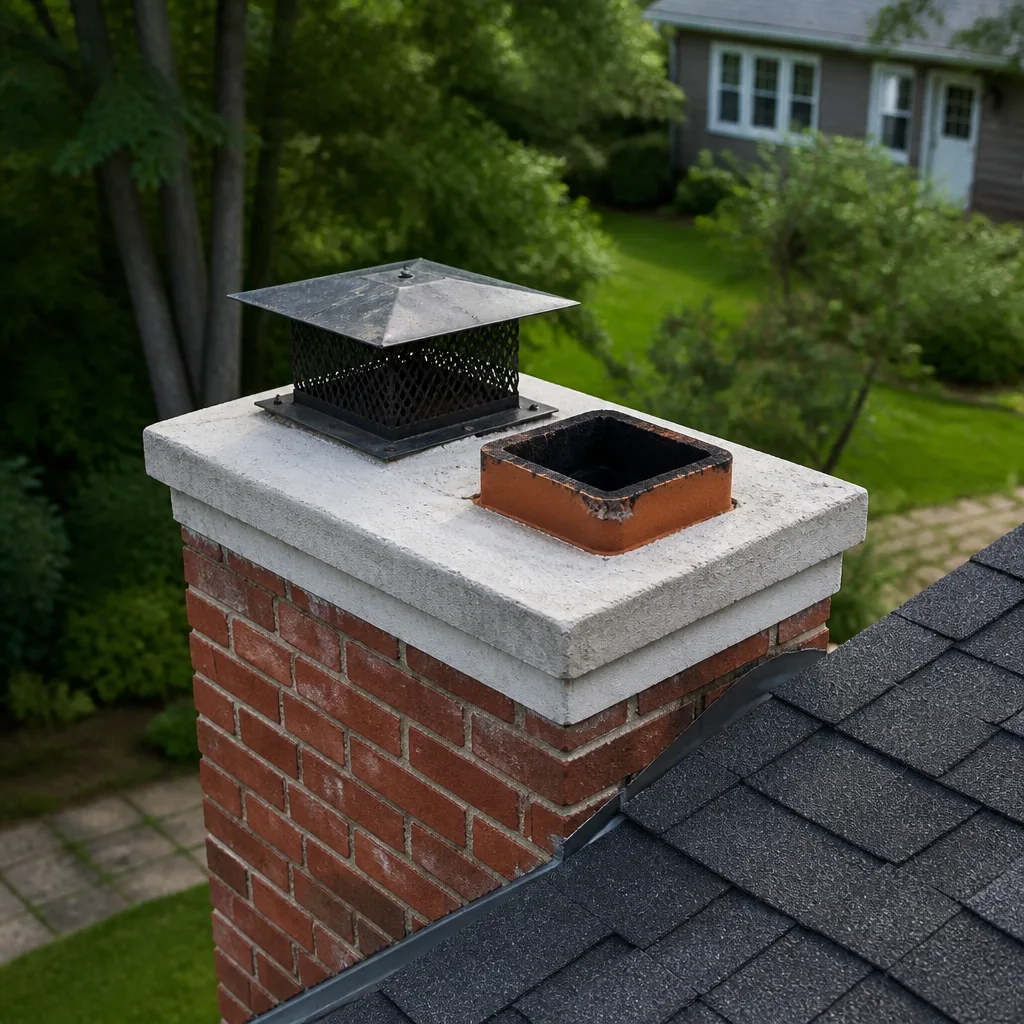
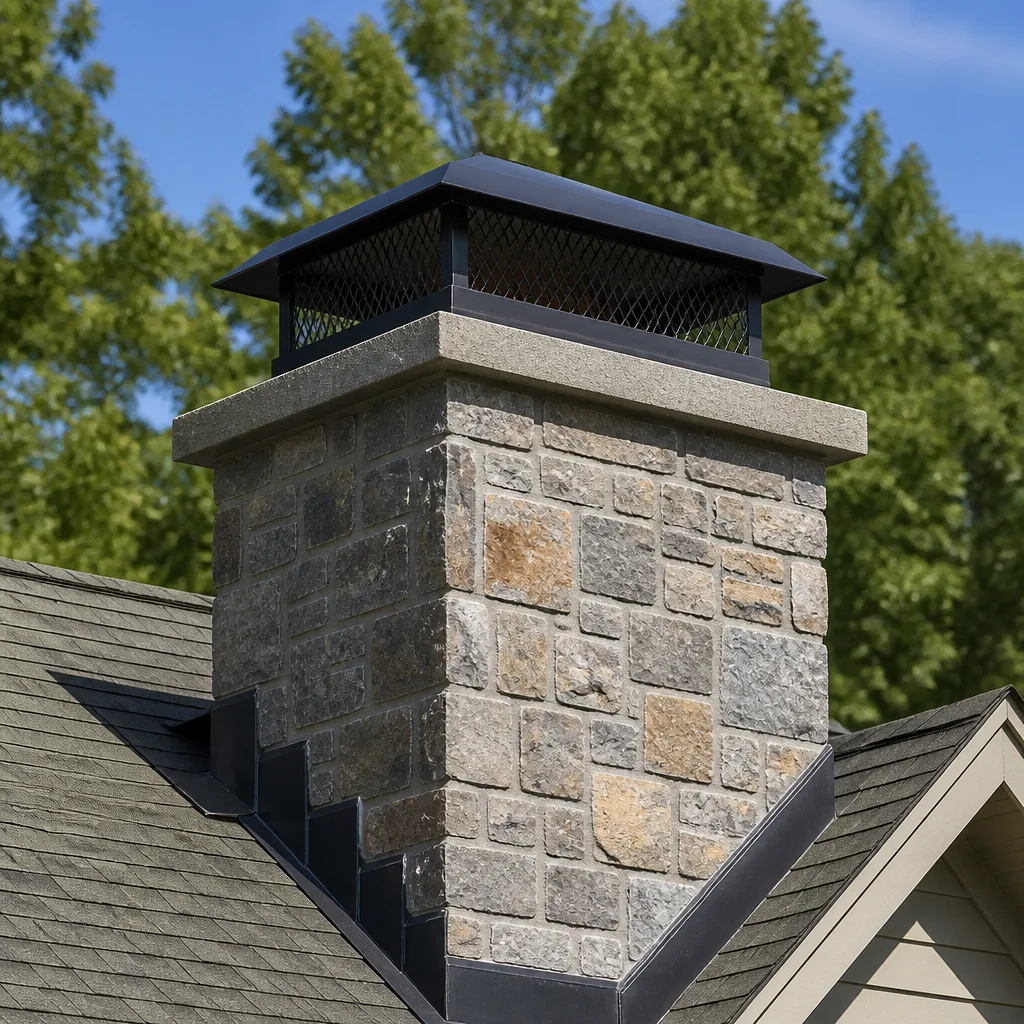
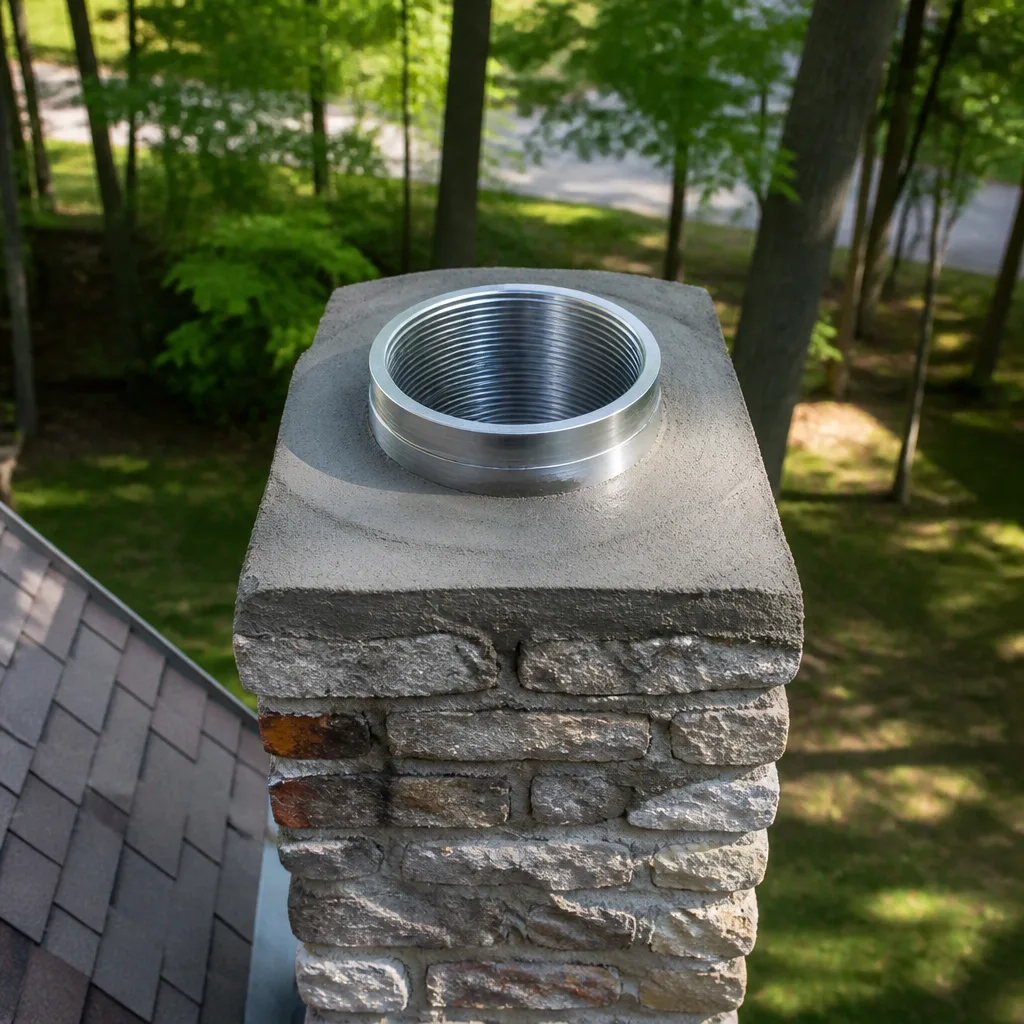
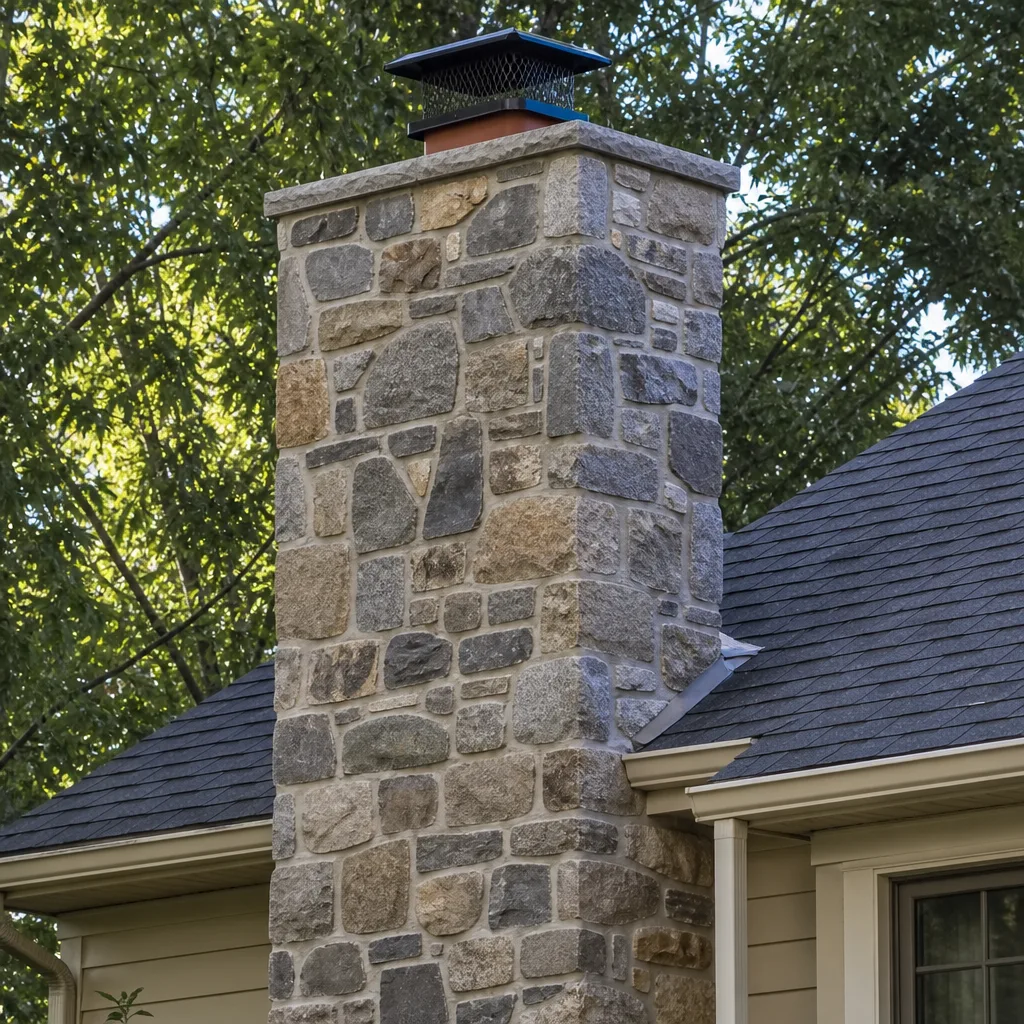
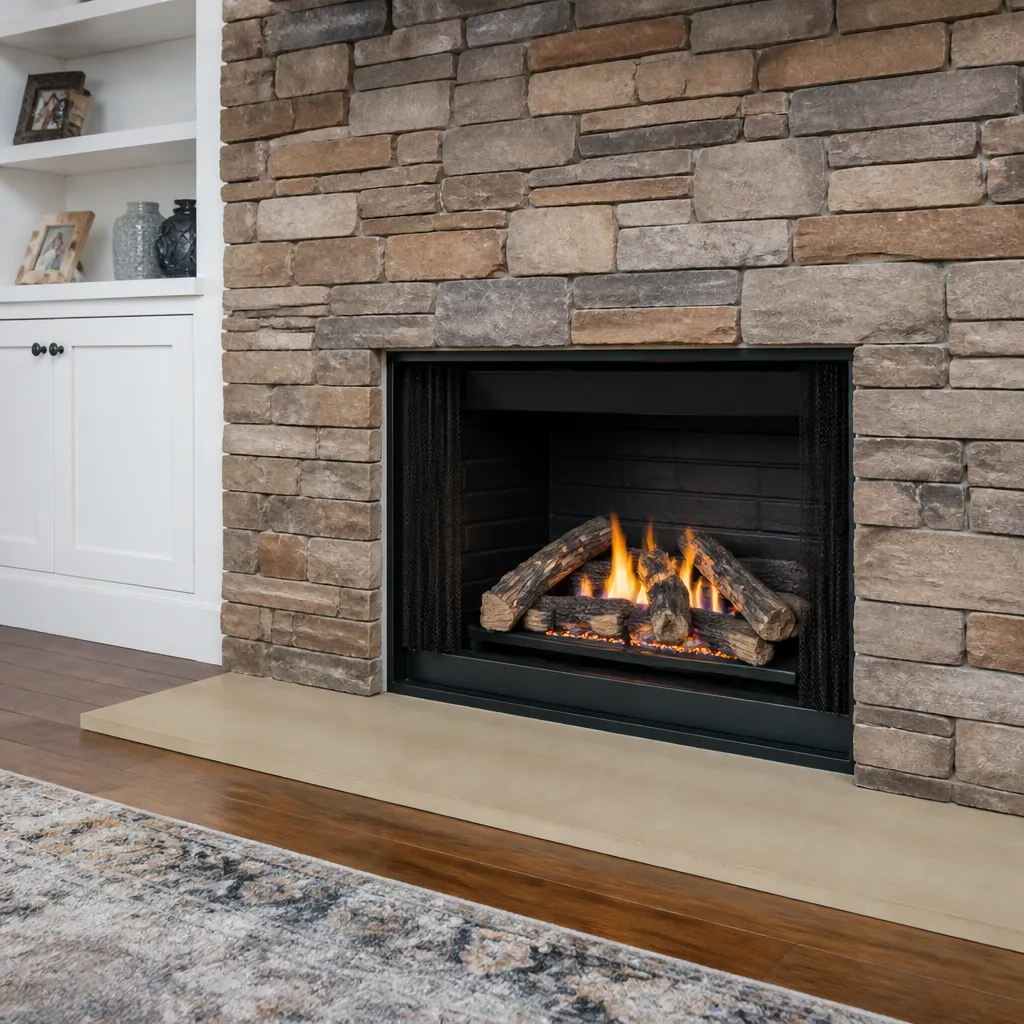
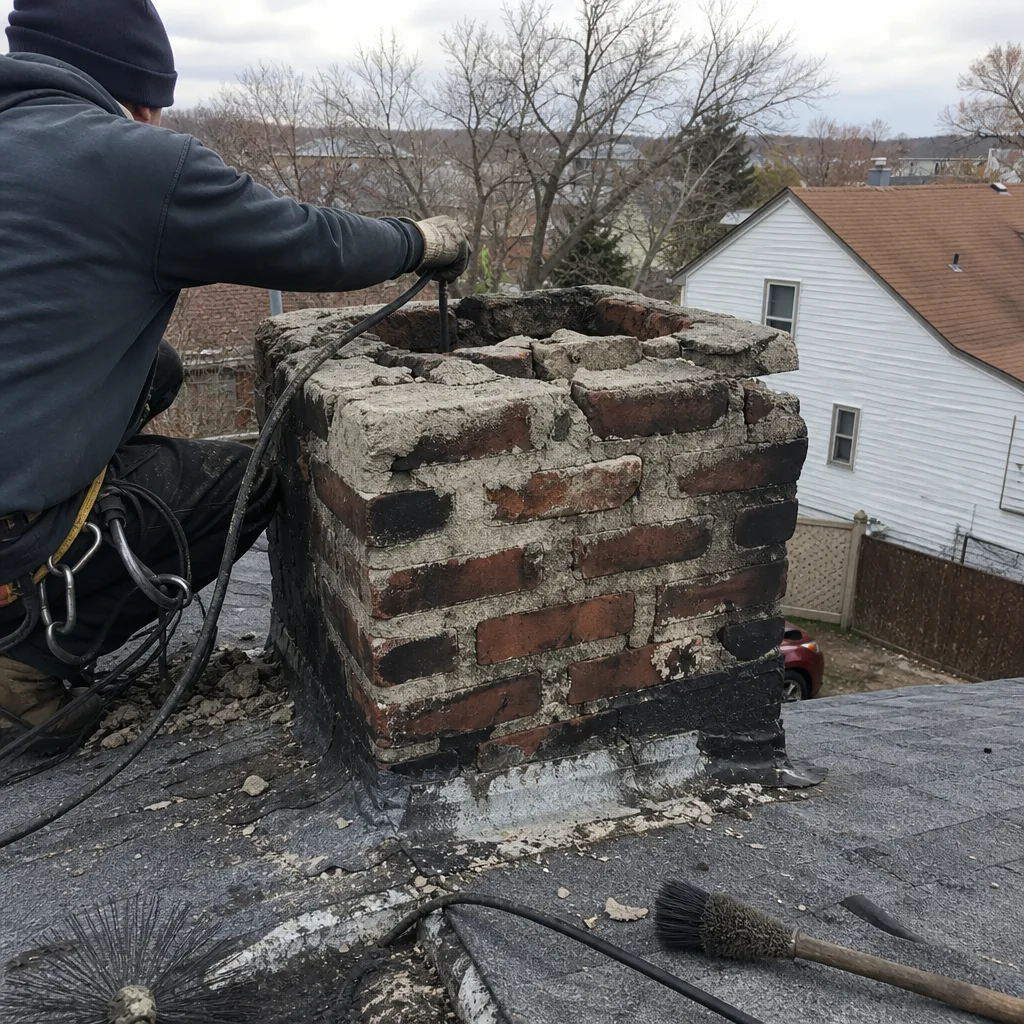 Before
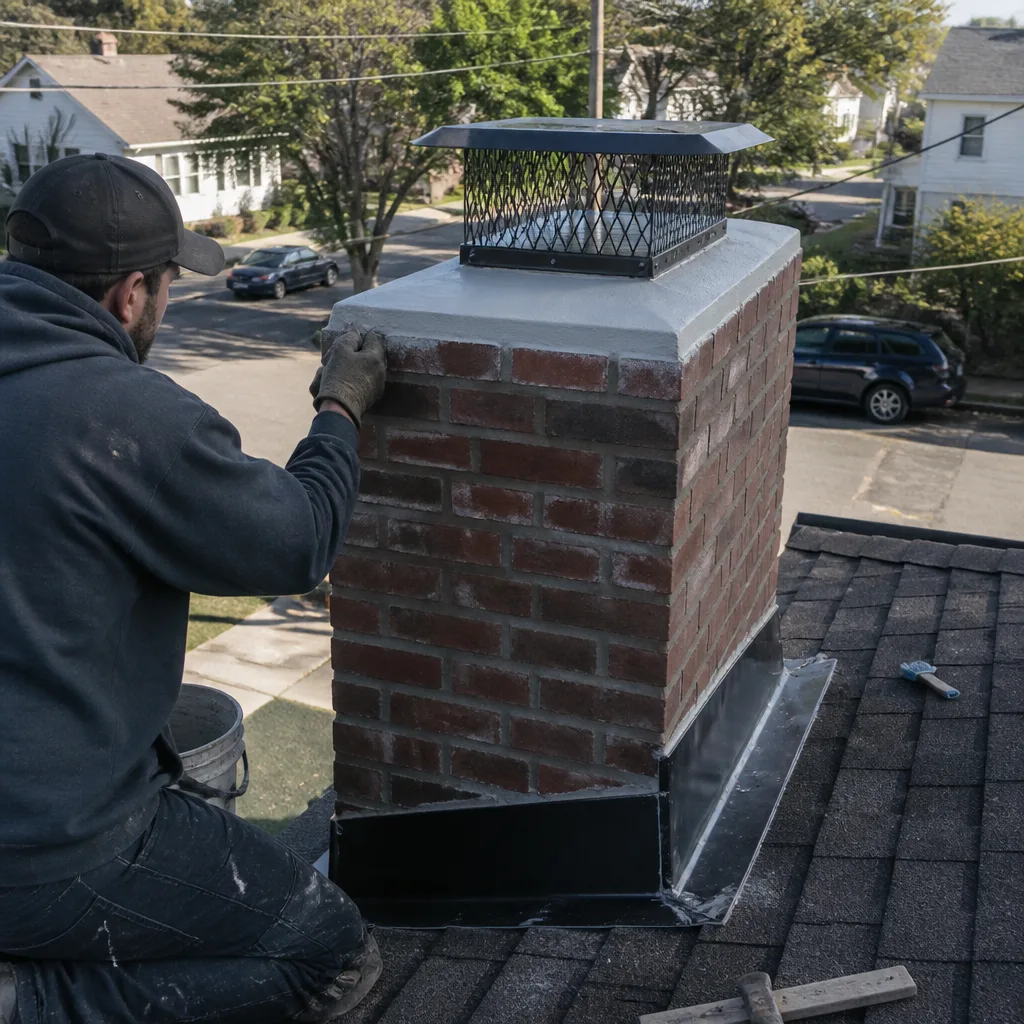 After
After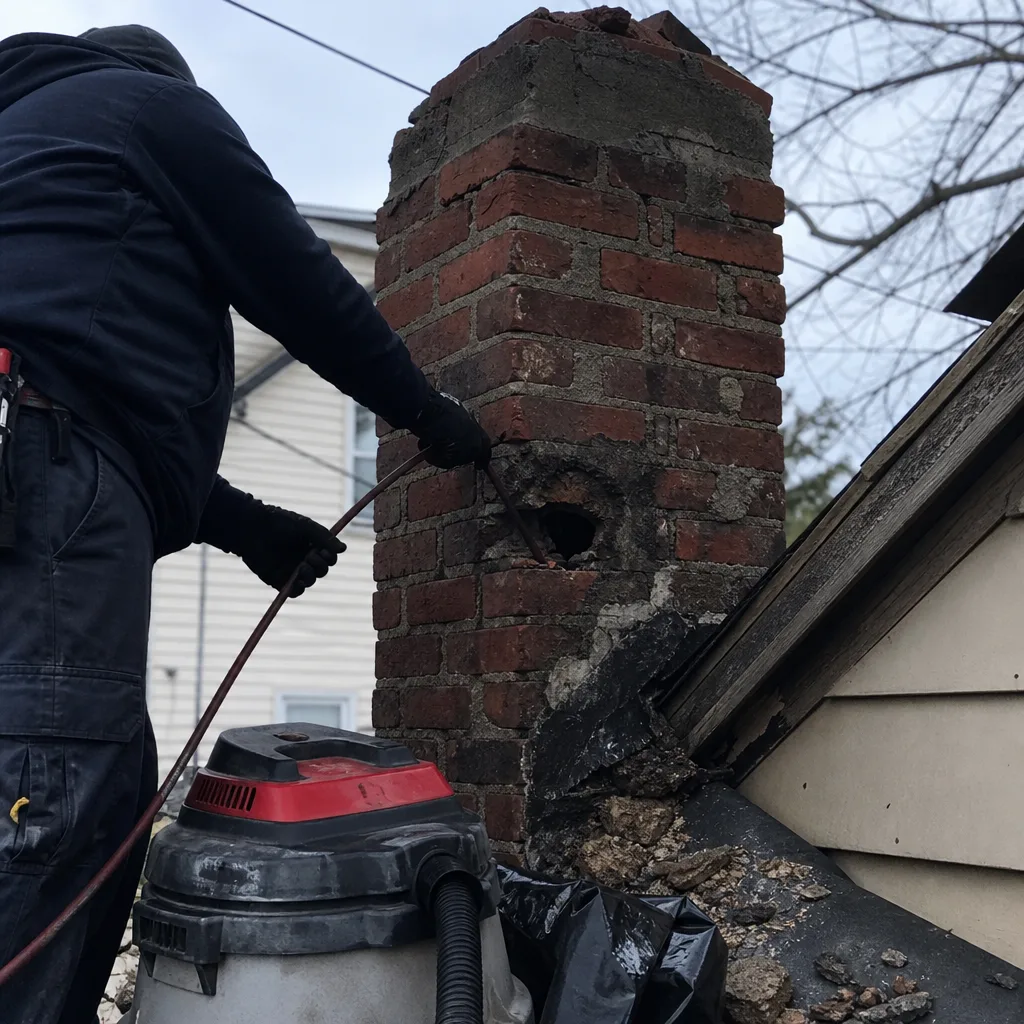 Before
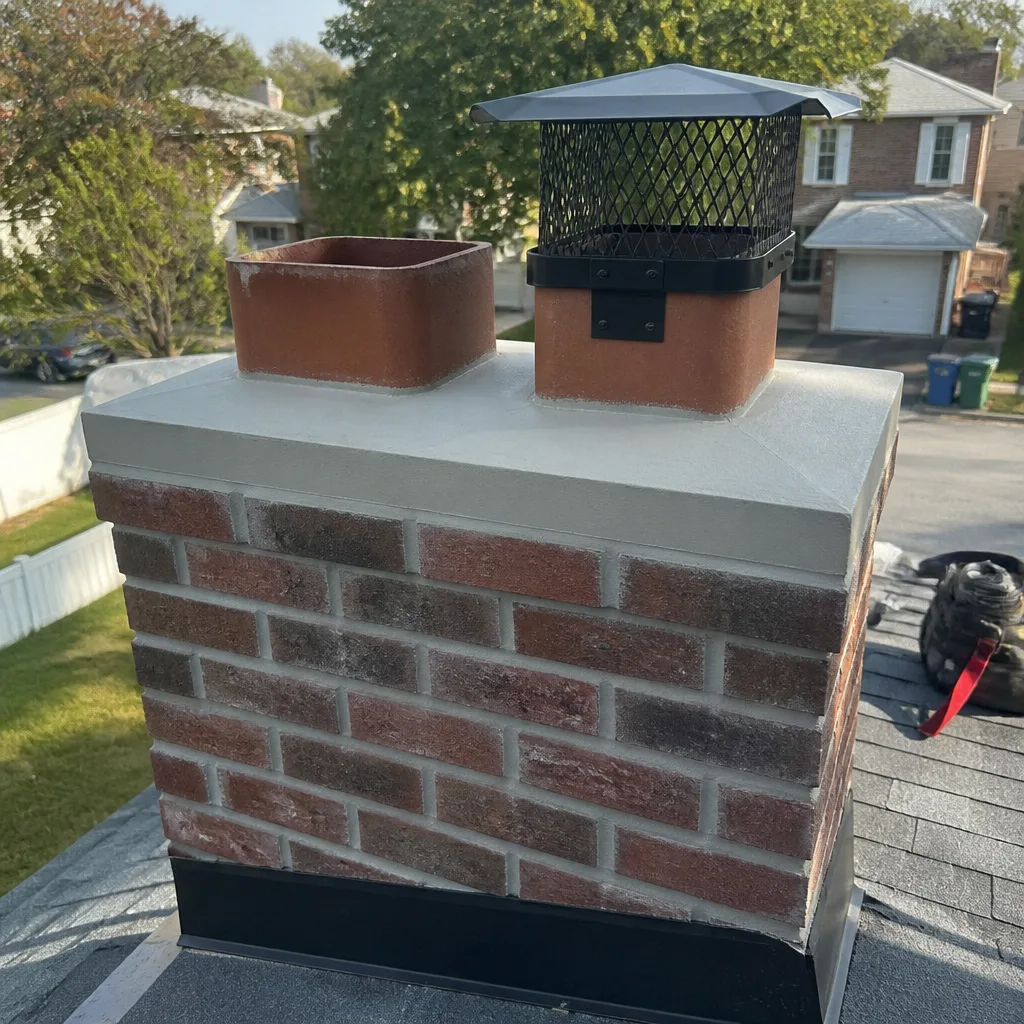 After
After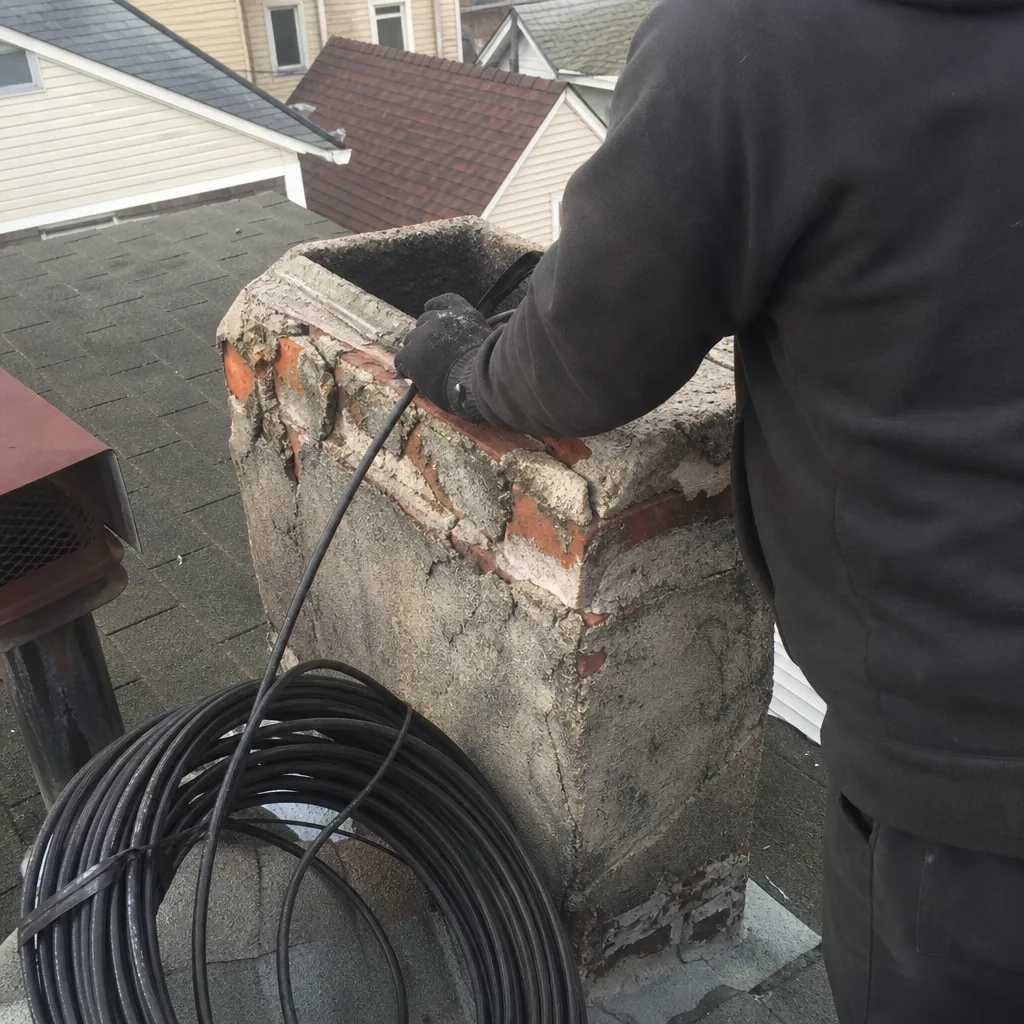 Before
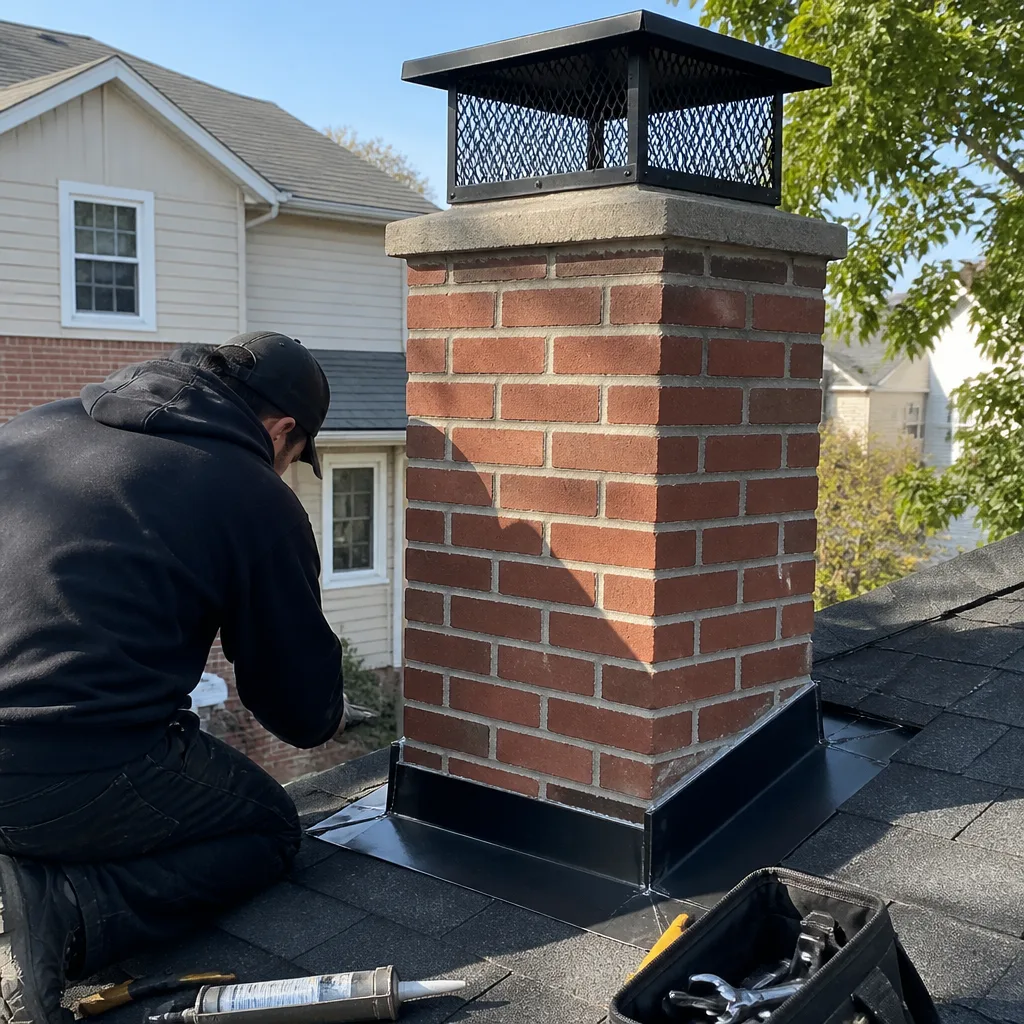 After
AfterSoot Removal in Queens, NY
Our How Much Does Chimney Cleaning & Sweep Cost? (2026 Price Guide) - Queens, NY explains that soot removal in Queens typically runs between $150 and $400 depending on how much has built up, how accessible your flue is, and whether a Level-2 camera inspection is needed. Most jobs are done in a single visit. If you’re seeing black residue around your firebox, smelling smoke in rooms away from the fireplace, or you haven’t had the chimney cleaned in more than two years, the soot load in your flue is almost certainly past the point where it should be.
At Hearthstone Chimney Co., we’ve been clearing soot from Queens chimneys since 1984 – row houses in Jamaica, brick colonials in Bayside, pre-war buildings in Astoria, and everything in between. Queens chimneys have their own character: tight urban flues, decades of oil-heat residue in older homes, and a salt-heavy coastal air that accelerates deterioration around the crown and liner. We know what we’re walking into before we pull the drop cloth. If you’d rather talk first, a live person answers our phone at (516) 531-6315 around the clock.
Soot removal is a core part of what we do under Chimney Cleaning & Sweep in Queens – it’s not a separate upsell. Every cleaning appointment addresses soot as the primary target. What separates a thorough job from a rushed one is the method, the equipment, and whether someone actually looks at what’s left behind when the brushes come out.
When You Need Soot Removal
Soot accumulates with every fire. In Queens, where many homes have fireplaces that sit unused for eight months and then run hard through a cold January, the buildup can be surprisingly heavy after just one heating season. Here are the clearest signs it’s time to call:
- Black staining around the firebox opening or on the face of your mantel. This is smoke and fine soot particles escaping the firebox – a sign the flue isn’t drafting cleanly, often because buildup is restricting airflow.
- A persistent smoky or acrid smell, even when the fireplace hasn’t been used recently. Soot is porous. It holds odor and releases it into the living space, especially in humid Queens summers when moisture activates the residue.
- Visible black or gray powder on the smoke shelf or damper. If you can see it from the firebox with a flashlight, the upper flue has substantially more.
- More than two years since your last professional cleaning. The National Fire Protection Association standard (NFPA 211) recommends annual inspection and cleaning for any chimney in active use. Two seasons of Queens winters without service puts you past due.
- You’ve recently moved into an older home in Flushing, Elmhurst, or Jackson Heights. Homes built before 1970 frequently have unlined flues or clay tile liners that have cracked, and soot packs into those cracks in ways that create real fire risk. We see this regularly in that part of Queens.
- You burn wood and have recently switched to wetter or unseasoned wood. Unseasoned wood produces far more soot and creosote than properly dried hardwood. One season of burning green wood can leave a flue that looks like it hasn’t been cleaned in a decade.
Our Soot Removal Process
We don’t treat soot removal as a quick brush-and-go. The process has a structure, and every step matters. Here’s how we work through a soot removal appointment:
- Pre-job protection and access. Before anything else, our technician lays drop cloths and seals the firebox opening with a poly barrier. Your floors, your furniture, and your air stay clean. In older Queens homes where the firebox sits in a finished living room, this step is non-negotiable. We also confirm damper operation before work begins – a stuck damper is a common hidden problem in flues with heavy soot loads.
- Level-2 camera inspection of the flue. We run a camera up the flue before the brushes go in. This documents the baseline condition, shows us exactly where the soot load is heaviest, and catches any cracking, spalling, or liner damage that the sweep itself could disturb. You see the images. We give you a plain-English verdict on what they mean – no jargon, no vague talk about “potential concerns.”
- Mechanical soot removal with professional-grade rotary equipment. We use rotary brushes sized to your specific flue dimensions, running from the top down. The vacuum system captures displaced soot continuously – it doesn’t settle into your room. For heavier deposits on the smoke shelf and smoke chamber, we use hand tools after the rotary pass to clear what brushes can’t reach.
- Smoke chamber and smoke shelf cleaning. This is where a lot of operators cut corners. The smoke shelf collects soot and debris that falls from above, and the smoke chamber walls build up a rough, porous soot layer over years of use. We clean both surfaces to the firebox brick line, not just the visible flue.
- Post-clean camera review and documentation. Once we’re satisfied with the cleaning, the camera goes back up. You see the before and after. The technician documents findings in a written report you keep. If there’s liner damage, crown cracking, or anything else that warrants attention, we tell you directly – and we show you the photo that says why.
- Final walk-through and clean site handoff. We remove all drop cloths and poly, dispose of soot and debris, and do a final visual on the hearth and surrounding area. Most soot removal jobs in Queens are done start to finish in two to three hours. You don’t need to take a day off work.
Soot Removal Pricing in Queens
Soot removal in Queens costs between $150 and $400 for most residential fireplaces, with the range depending on a few clear factors. Here’s how we think about the price:
- Standard single-flue soot removal (moderate buildup): $150 – $220. This covers a chimney that’s been serviced within the last two to three years and has normal annual accumulation.
- Heavy or long-neglected soot removal: $220 – $340. Flues that haven’t been cleaned in five or more years, or chimneys where oil-heat equipment was previously vented, often have compacted soot layers that take longer to clear safely.
- Level-2 camera inspection bundled with cleaning: Add $75 – $125 to the base price. This is the inspection that produces photos and a written report. For any Queens home over 30 years old or any fireplace you’re using for the first time, we consider it the responsible standard.
- Multi-flue properties or two-story flue runs: $300 – $400+. Some Queens homes – particularly larger colonials in Springfield Gardens or detached homes near Forest Hills – have two or more flue openings, or very long flue runs that require more time and equipment rigging.
A few things we don’t do: we don’t quote a low number to get in the door and then find reasons to add to it once we’re on site. The number on the estimate is the number on the invoice. That’s not a marketing line – it’s how we’ve stayed in business in Queens for over 42 years. If we find something during the camera inspection that changes what’s needed, we stop, show you the photo, explain what it means, and give you a revised number before we do anything further.
We also offer a $50 off any repair over $250, a $89 Seasonal Tune-Up that pairs well with soot removal in late fall, and a permanent 5% discount for seniors and veterans. Call (516) 531-6315 for a free estimate – we’ll give you a real number, not a range designed to manage expectations.
Why Queens Chimneys Need Specific Attention
Queens is not a generic market, and we don’t treat it like one. The borough’s housing stock spans a wider range than almost anywhere in the New York metro area – you’ll find clay-lined pre-war flues in Richmond Hill, unlined brick flues in parts of Corona, and fiberglass-relined systems in newer construction in Whitestone. Each one handles soot differently and requires a different approach to cleaning.
The coastal and estuarine air around Jamaica Bay and Flushing Bay accelerates crown and mortar deterioration in ways that inland markets don’t see at the same rate. When a crown starts to crack, water gets in, and wet soot is not the same problem as dry soot – it bonds to the liner surface and is significantly harder to remove without damaging older clay tile. We’ve been watching this pattern in Queens for decades, and we factor it into how we inspect and how aggressively we clean.
Queens also has a high percentage of homes that converted from oil heat to gas in the 1990s and early 2000s, leaving behind older oil-fired appliance flues that were never properly decommissioned or cleaned out. If your home went through that conversion and the chimney was never inspected afterward, there’s a reasonable chance you have a soot and oil residue layer that’s been sitting there for twenty-plus years. We see it in Woodhaven. We see it in Middle Village. We’ve seen it in Rosedale. It’s not a scare story – it’s just what the housing stock produces.
The home improvement contractors we’ve watched come and go in Queens over four decades often skip the camera and rush the smoke chamber. We don’t. The 90-Day Done Right Promise covers every soot removal job we do – in writing, no paperwork, no arguing. If we missed something and it shows up in the next 90 days, we come back and make it right. That’s the Keystone Standard, and it’s how Russell Haines has run this company since day one.
Soot vs. Creosote: What’s the Difference and Why It Matters
People use soot and creosote interchangeably, but they’re different substances that call for different responses. Soot is the fine black particulate that results from incomplete combustion – it’s powdery, it coats surfaces, and it’s the primary focus of a standard chimney cleaning. Creosote is the tarry, hardened deposit that forms when flue gases cool and condense, and it’s what soot becomes over time when it isn’t removed and continues to accumulate through heating seasons.
Stage 1 creosote is essentially heavy soot – dusty, removable with standard rotary brush equipment. Stage 2 creosote is a harder, flakier layer that requires more aggressive mechanical tools. Stage 3 creosote is a glazed, tar-like coating that standard brushing will not remove and that poses a serious fire risk – it burns at temperatures that can cause a chimney fire even in an otherwise intact liner. A Queen’s flue that’s been neglected for five or more years and burned wood regularly has a meaningful chance of Stage 2 buildup, and we treat that discovery seriously.
We want to be straightforward about Stage 3: if the camera shows a glazed creosote layer, soot removal alone isn’t the right scope of work. The correct answer at that point involves chemical treatment followed by mechanical removal, and in some cases, liner assessment to check for heat damage. We’ll tell you that clearly – with the photo – and give you a straight number for what it takes to address it properly. We use products rated for professional chimney application, including materials from Olympia Chimney supply lines that are matched to flue type and condition.
FAQs – Soot Removal in Queens
How often should I have soot removed from my Queens chimney?
An Annual Sweep is the right answer for any chimney in active use – that’s the NFPA 211 standard, and it’s what we follow. In Queens specifically, if you’re burning wood more than ten or twelve times a season, or if you’ve recently switched wood sources, an annual cleaning before the heating season gives you the cleanest, safest start. Call (516) 531-6315 and we’ll tell you where you stand – estimates are free.
Is soot removal dangerous to do myself?
Brushing a modest amount of soot from a firebox opening is low-risk. Getting into the flue itself – and especially the smoke chamber above the damper – is where the real hazards begin. Without proper containment equipment, you’ll displace fine soot particulate into your home’s air. More seriously, without a camera inspection, you won’t know whether the flue wall is intact before you’re working inside it. High-deposit flues can also harbor Stage 2 or Stage 3 creosote, which is a fire risk that a brush alone won’t resolve. We’d rather see it done right the first time than come in afterward to sort out what a DIY attempt left behind.
Can soot cause health problems in my home?
Yes, and it’s not a minor concern. Fine soot particles are a respiratory irritant, and in high concentrations they carry polycyclic aromatic hydrocarbons (PAHs) – compounds with well-documented health effects. Soot that escapes the firebox into living spaces, or that enters through gaps in a deteriorating liner, raises indoor air quality concerns that are worth taking seriously – particularly for older adults or anyone with respiratory conditions. Getting the flue cleaned and the liner checked is the practical answer.
What’s included in Hearthstone’s soot removal service vs. a basic chimney sweep?
A basic Chimney Cleaning & Sweep at many companies means brushing the flue and leaving. Our soot removal service includes the full flue run, smoke shelf, and smoke chamber cleaning, a Level-2 camera inspection with photos you see in real time, a written plain-English verdict on flue condition, and a final site cleanup. It’s all covered under the 90-Day Done Right Promise – in writing. If something’s not right within 90 days of our visit, we come back with no paperwork and no arguing. Call (516) 531-6315 to schedule or ask questions – someone picks up every time.
Written by Russell Haines, Owner at Hearthstone Chimney Co., serving Queens since 1984.