
Last updated September 10, 2026
Level 1 sweep and inspection to the NFPA 211 annual standard - flue, crown, cap, and flashing checked and photographed
Chimney sweep logs do not sweep chimneys. They loosen some creosote - which then falls where a brush and vacuum still have to collect it.
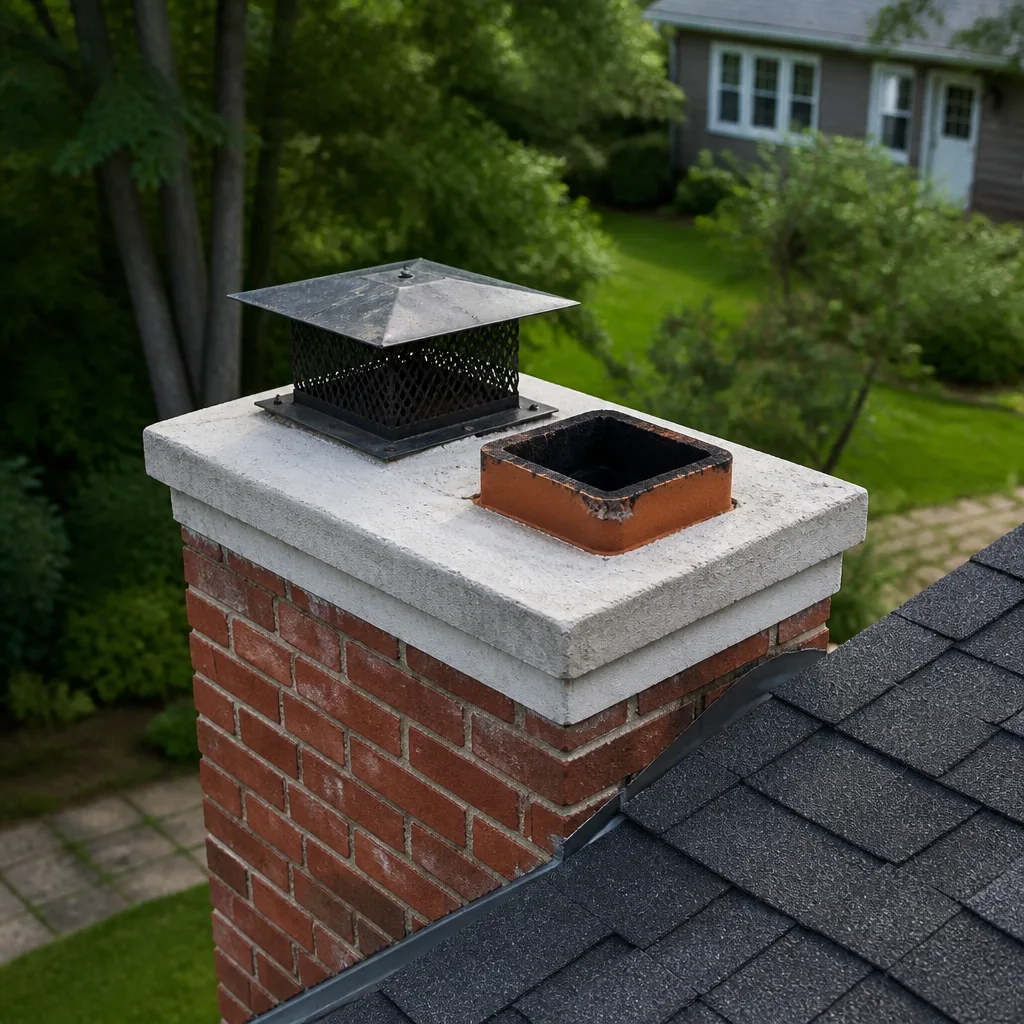
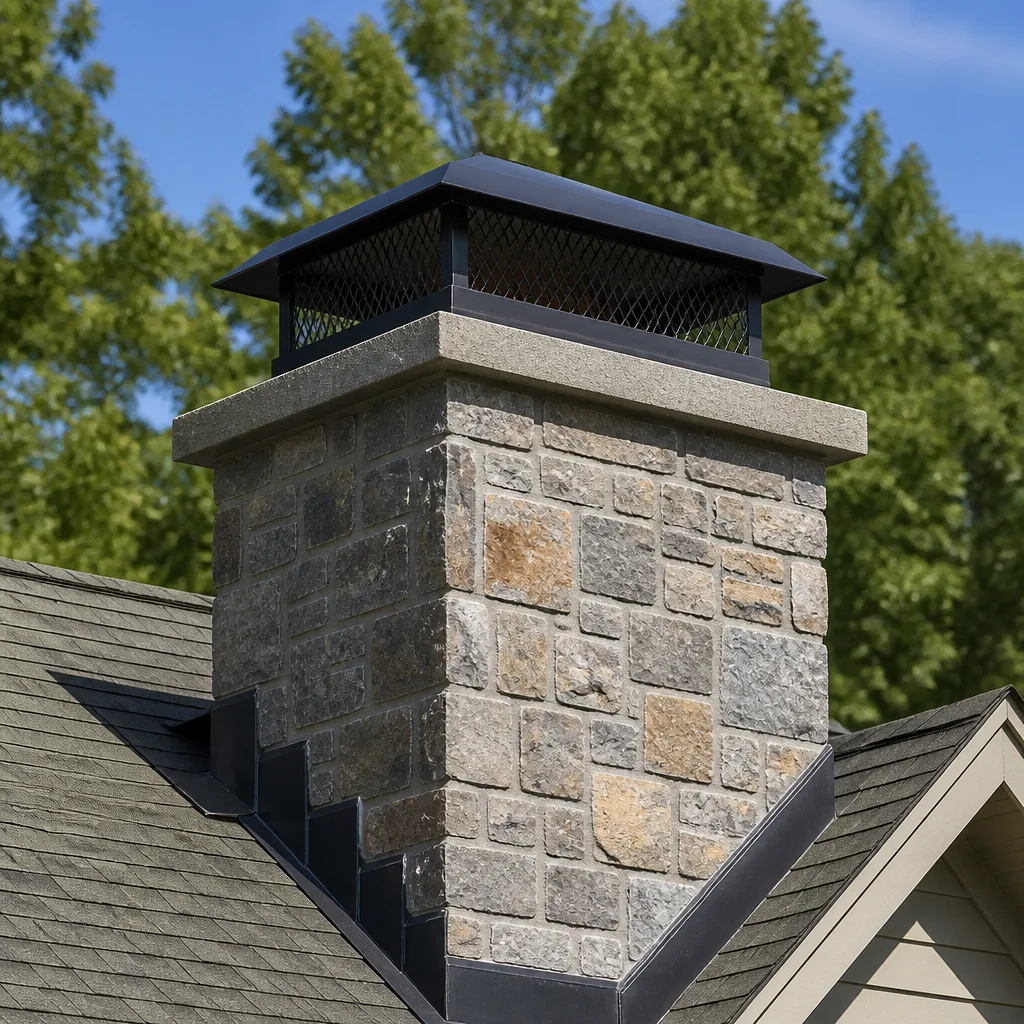
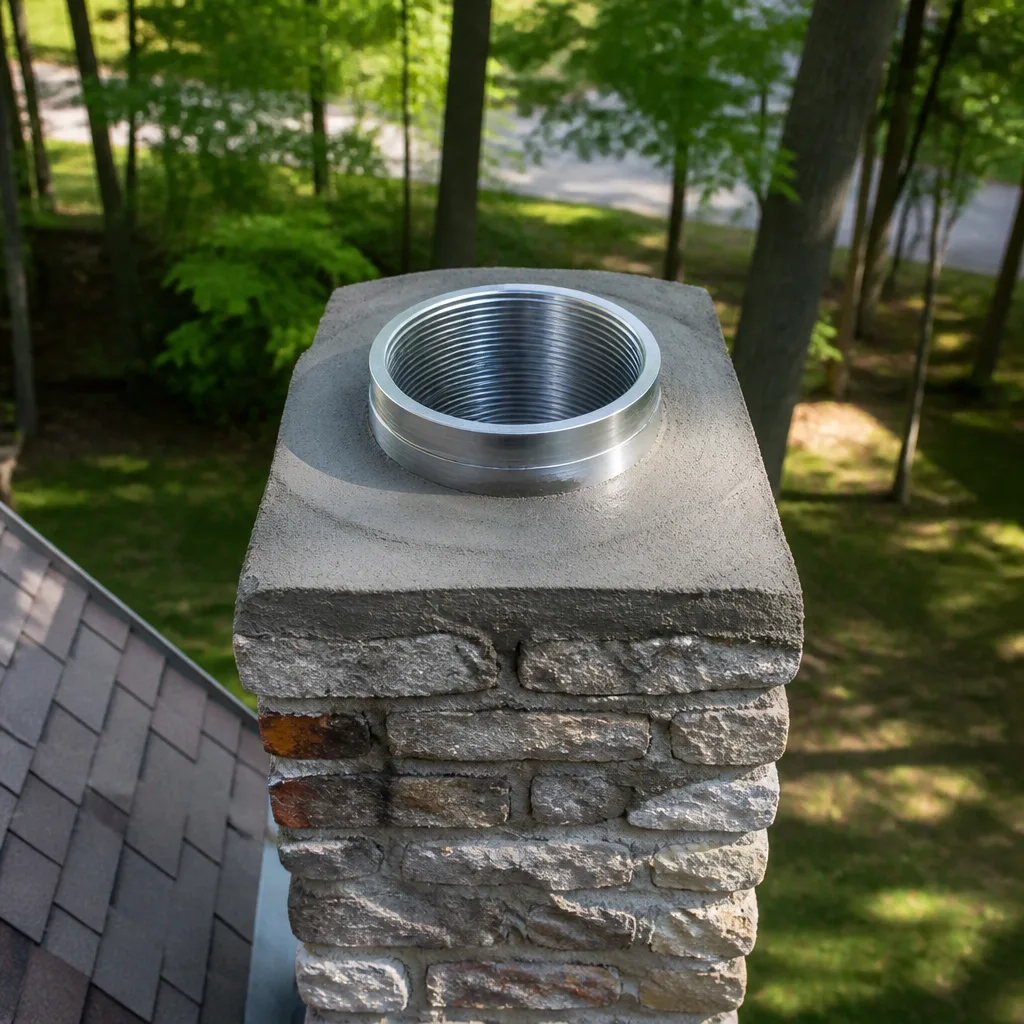
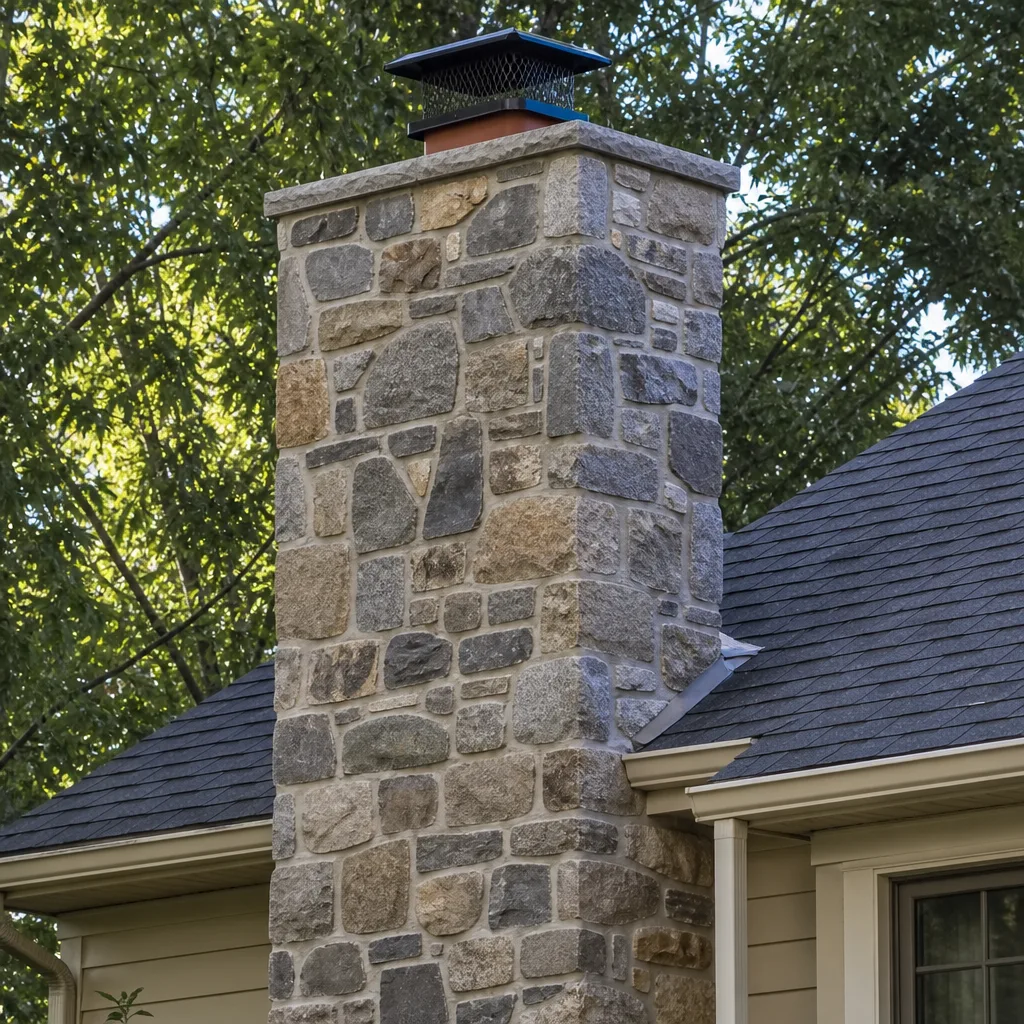
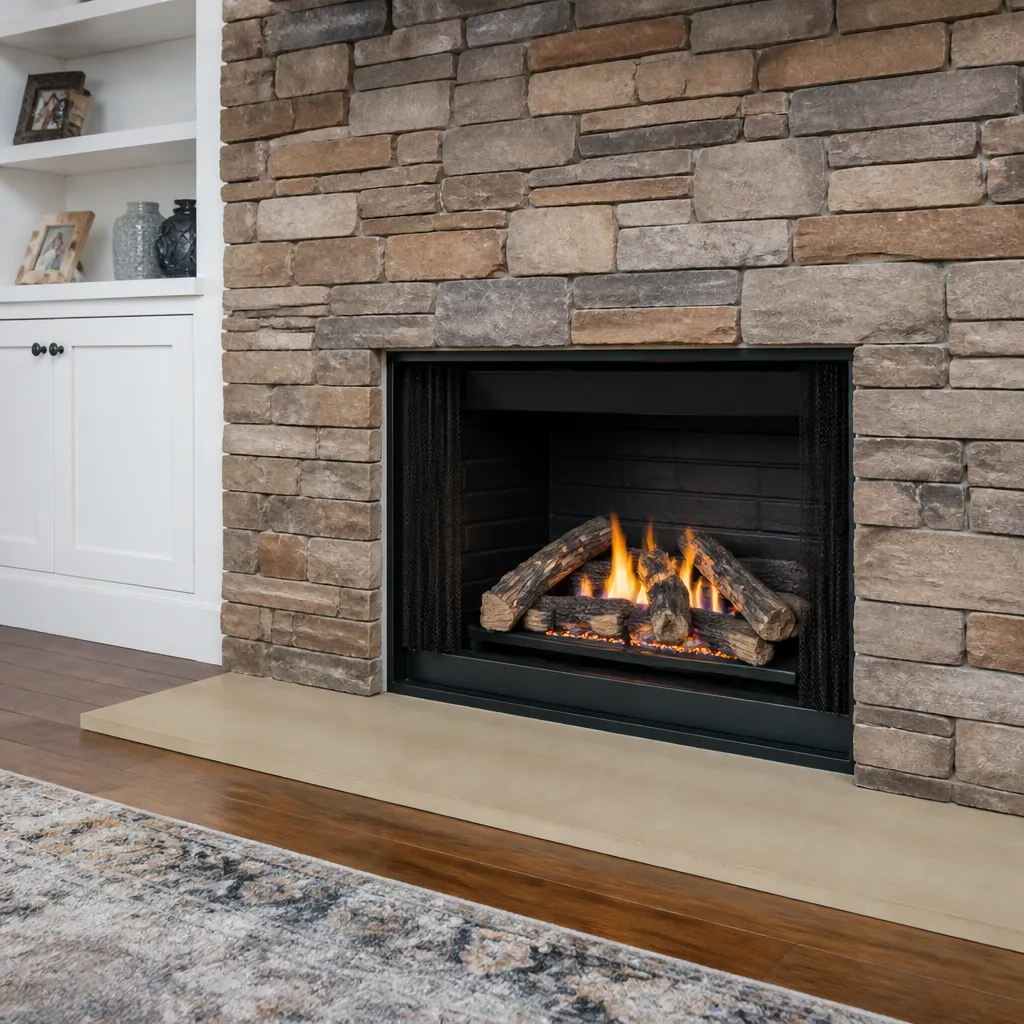
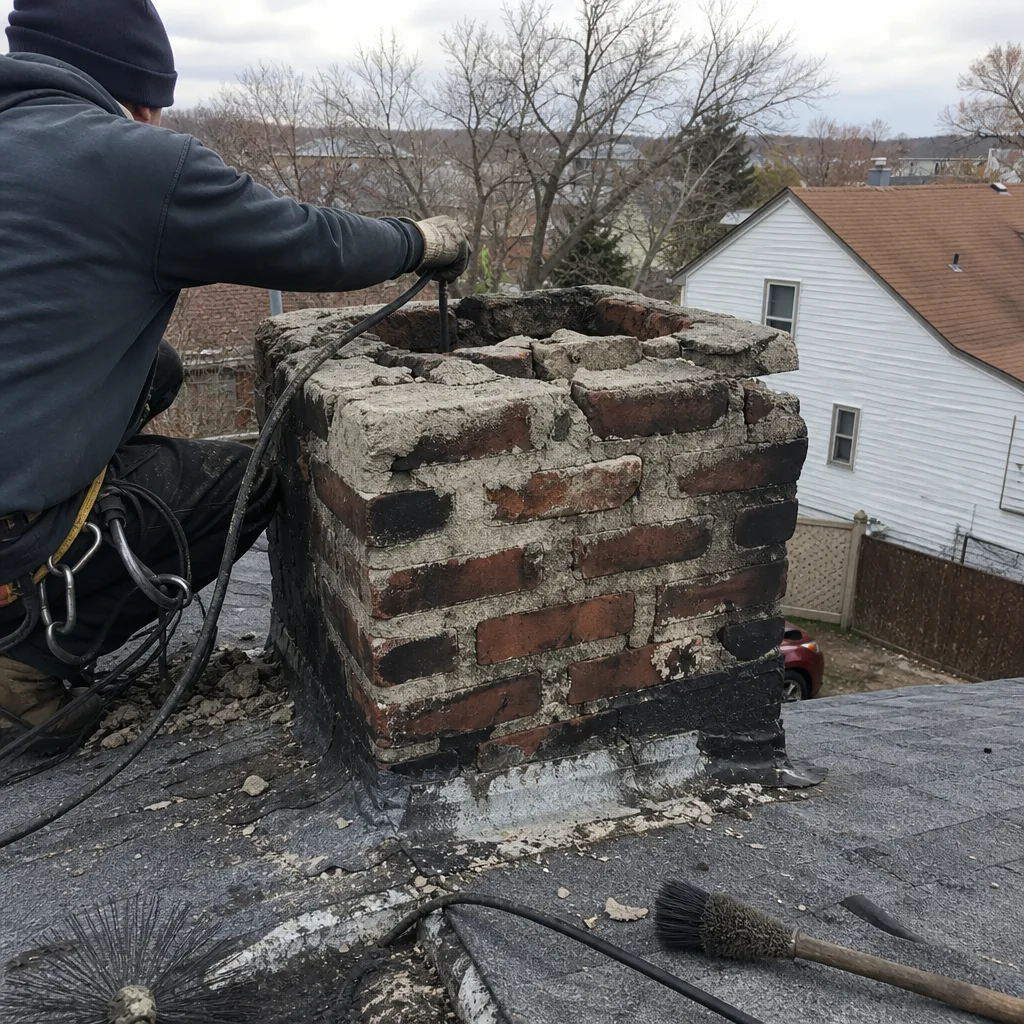 Before
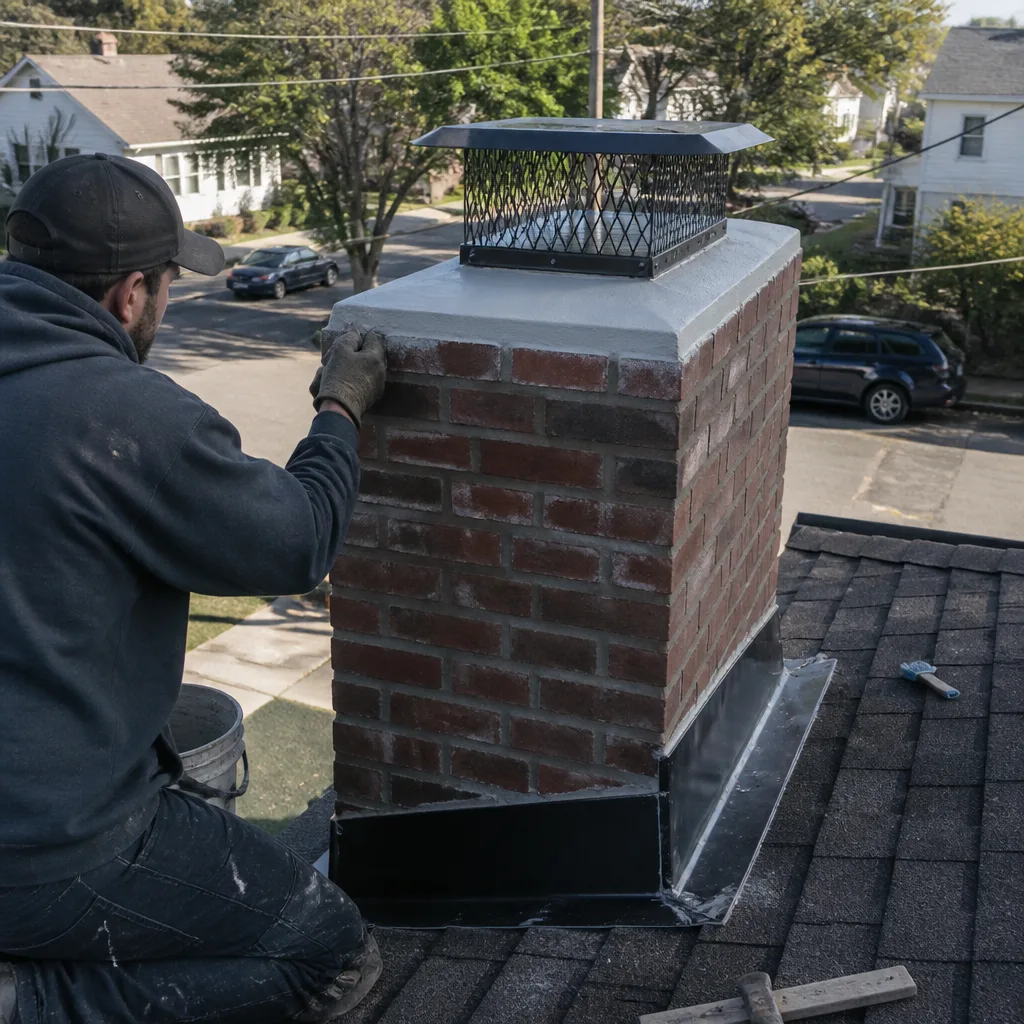 After
After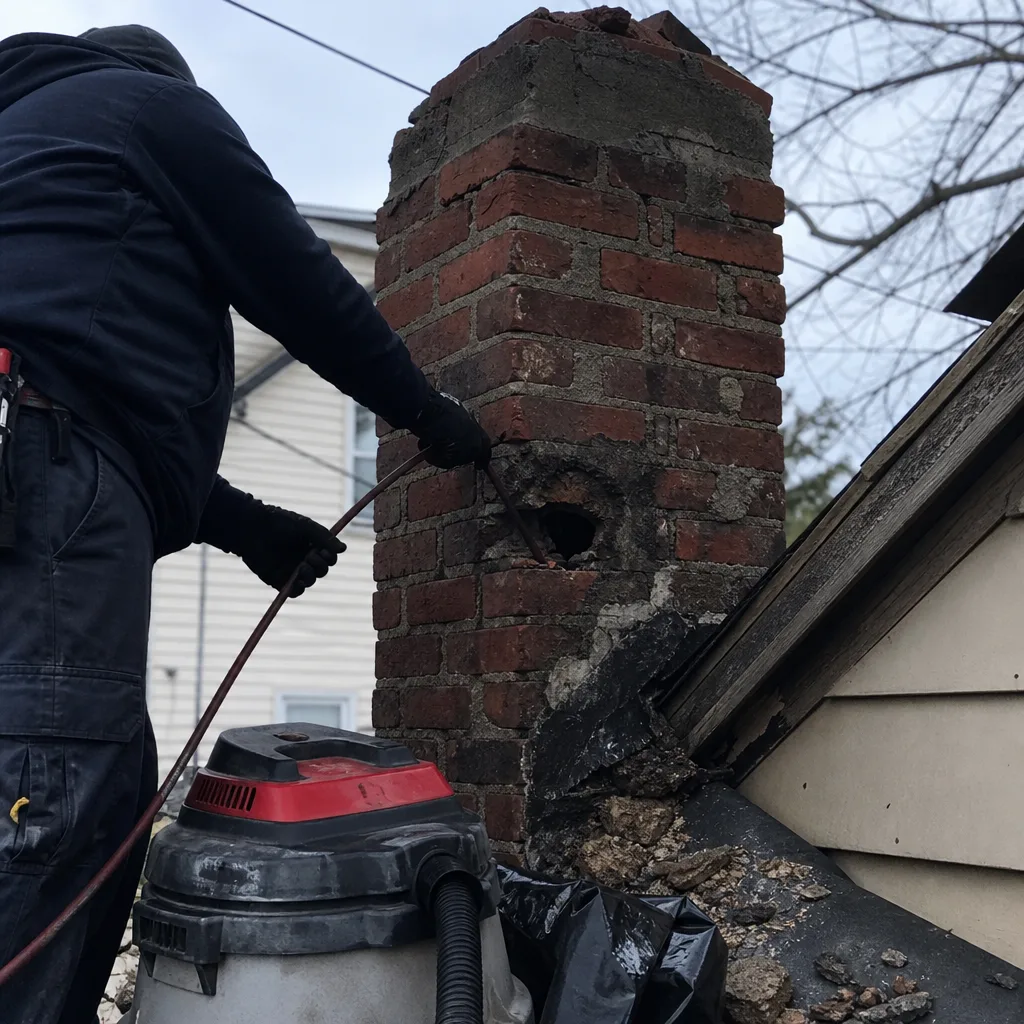 Before
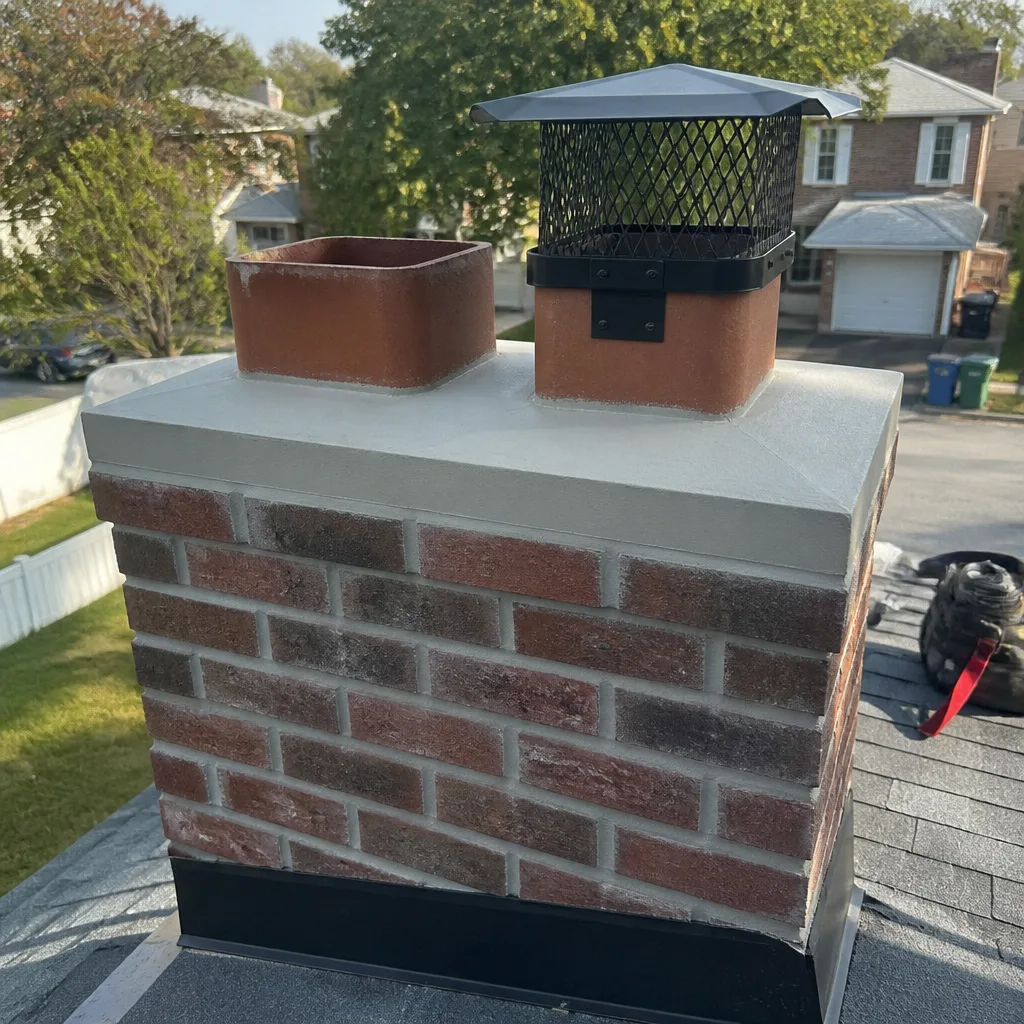 After
After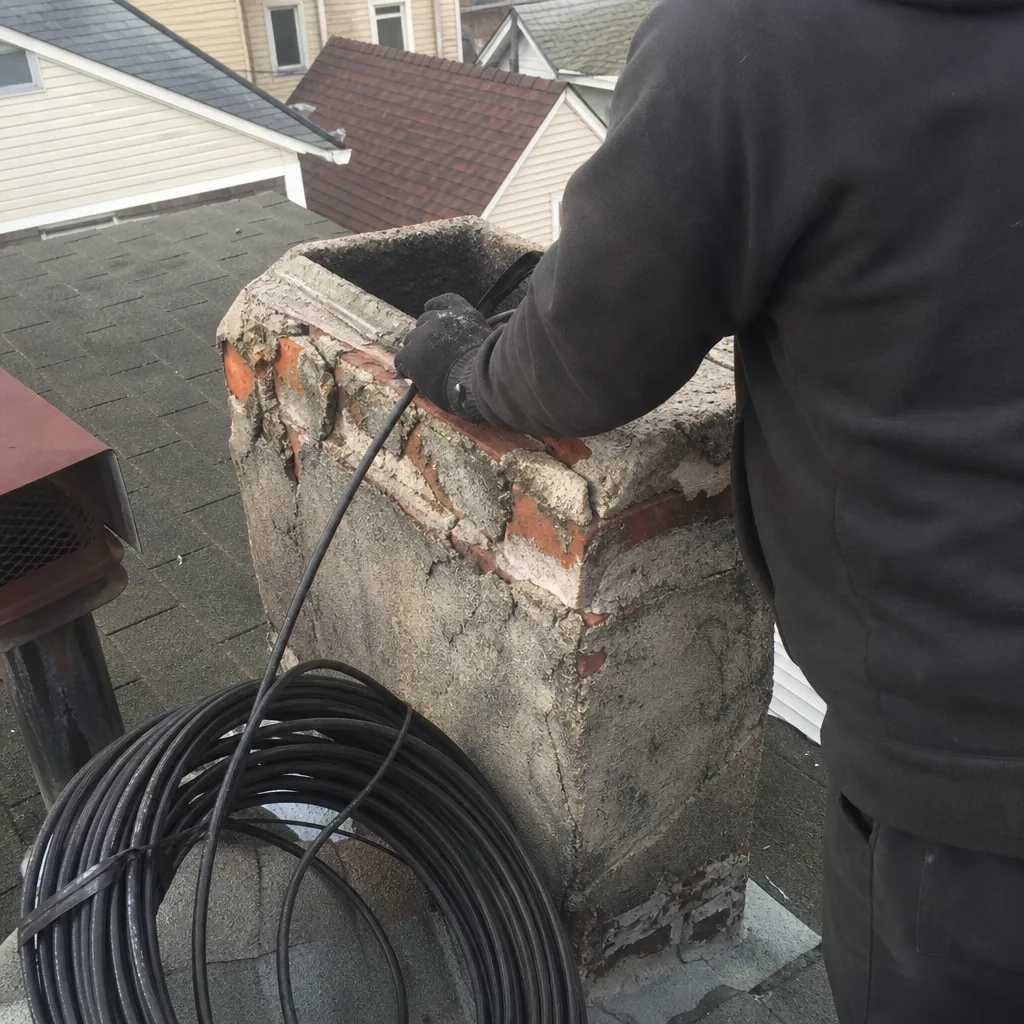 Before
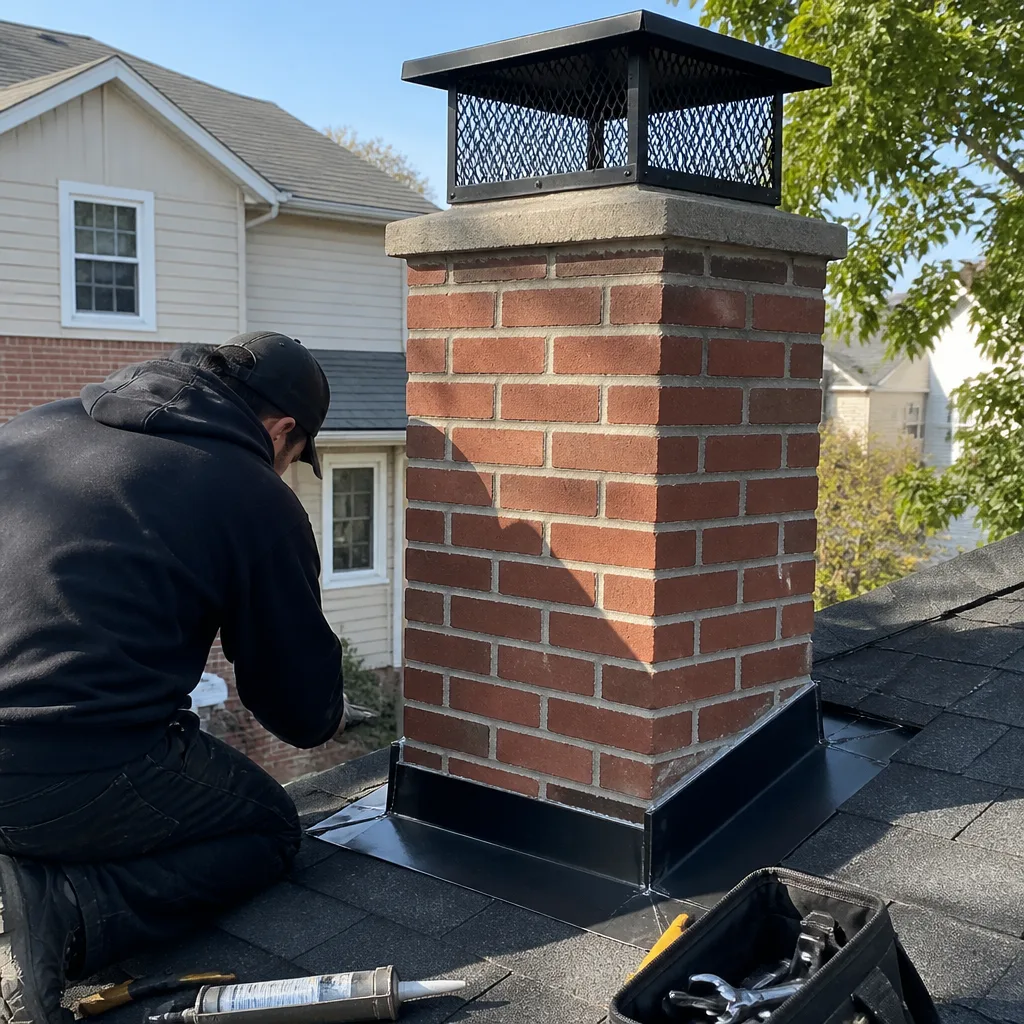 After
AfterChimney Cleaning Permits, Codes & Inspections in NY: What You Need to Know
Most Queens homeowners assume chimney sweeping is like changing a furnace filter - routine maintenance, no paperwork. But in New York City, replacing a chimney liner triggers the same permit process as structural work, and the sweep who installs it may never mention this because pulling a permit adds days to the job. We’ve been called to homes in Forest Hills and Bayside where unpermitted liner work had to be torn out and redone before closing, or worse, where an insurance adjuster denied a fire claim because the installation lacked DOB sign-off. This guide maps exactly which chimney tasks require permits, which don’t, and how to protect yourself - and see our more guides & resources for related help.
Quick Answer
In New York City, chimney cleaning and routine sweeping do not require permits. However, chimney liner replacement, structural repairs, crown rebuilding, and any modification to gas or solid-fuel venting typically require a Department of Buildings (DOB) work permit and sign-off. Queens homeowners should verify permit status before any major chimney work, as unpermitted installations can void insurance coverage and block home sales.
Table of Contents
- Which Chimney Tasks Require NYC DOB Permits (and Which Don’t)
- How the NYC Fire Code Applies to Queens Chimneys
- What Happens During a NYC DOB Chimney Inspection
- Why Unpermitted Work Can Void Your Homeowners Insurance
- How to Request a DOB Inspection and What Inspectors Actually Look For
- Permits, Violations, and the Queens Real Estate Market
- Common Mistakes to Avoid
- When to Call a Professional
- Frequently Asked Questions
Which Chimney Tasks Require NYC DOB Permits (and Which Don’t)
New York City’s building code draws a sharp line between maintenance and construction. Understanding that line saves Queens homeowners from red tape on one side and from costly violations on the other.
No Permit Required: Routine Maintenance
These tasks are classified as ordinary maintenance under NYC Building Code Section 28-105.4.2 and do not require DOB notification:
- Chimney sweeping and soot removal
- Visual inspection from the roof or hearth
- Cap and spark arrestor installation (non-structural, same size)
- Damper repair or replacement (like-for-like)
- Firebox brick repointing under 25% of surface area
We’ve swept chimneys in Astoria and Jackson Heights for decades without filing a single permit. The work is straightforward, and a qualified sweep documents condition with photos - which we provide to every customer - but no city filing is needed.
Permit Required: Construction and System Modification
These tasks trigger permit requirements under NYC Building Code Section 28-105.1 and related sections:
| Task | Permit Type | Code Reference |
|---|---|---|
| Chimney liner replacement or new installation | Alteration Type 2 (ALT2) | BC 28-105.1, Fuel Gas Code 503.10 |
| Crown rebuild or structural modification | Alteration Type 2 (ALT2) | BC 1503.2, 2113 |
| Chimney height modification | Alteration Type 1 or 2 | BC 1503.3 |
| Conversion from oil to gas appliance | Work Permit + Fuel Gas Permit | Fuel Gas Code 503, 304 |
| New solid-fuel appliance installation | Work Permit + Fire Code review | FC 304, BC 2111 |
| Chimney rebuild or partial demolition | Alteration Type 2 or New Building | BC 2113, 3303 |
The chimney liner permit requirement surprises most homeowners reading our complete guide to chimney cleaning in Queens. Under NYC Fuel Gas Code Section 503.10, any new or replacement liner serving a gas appliance must be listed and installed per manufacturer specifications, with DOB sign-off. For solid-fuel systems, the International Mechanical Code provisions adopted by New York require proper sizing and clearance documentation.
We use DuraFlex and Olympia Chimney liners precisely because their listings are pre-recognized by NYC DOB, which streamlines inspection. A non-listed liner - or one installed without permit - creates a compliance gap that surfaces eventually.
The Gray Area: What “Repair” Means
Here’s where Queens homeowners get caught. DOB distinguishes between “repair” (restoring to existing condition) and “alteration” (changing configuration or materials). Replacing more than 25% of firebox bricks? That’s reconstruction, not repair, and it needs a permit. Installing a stainless steel liner where none existed before? Permit. But replacing a cracked clay flue tile with an identical tile in the same position? That falls under repair.
In our experience across Flushing and Jamaica, the safest approach is to ask your sweep directly: “Will this work require a DOB filing?” A professional who knows the local code will answer clearly. Evasiveness is a warning sign.
How the NYC Fire Code Applies to Queens Chimneys
The New York City Fire Code, codified in Title 3 of the Rules of the City of New York (RCNY Title 3), governs how chimneys serving solid-fuel and gas appliances must operate and be maintained. Queens has a high concentration of pre-war housing stock - much of it with original masonry chimneys never designed for modern heating equipment - which makes these provisions especially relevant.
Solid-Fuel Requirements
RCNY Title 3, Section 307 regulates fireplaces and solid-fuel burning equipment. Key requirements include:
- Annual inspection required. The Fire Code mandates that chimneys, fireplaces, and vents be inspected annually and cleaned as needed to maintain safe operation. This is not a suggestion - it’s an enforceable requirement that the FDNY can cite during property inspections.
- Clearance to combustibles. Masonry chimneys must maintain minimum 2-inch clearance to combustible framing, or be listed for reduced clearance. In Queens colonials and Tudors, we’ve found original construction that violates this by half an inch - a condition that requires correction before safe use.
- Spark arrestors in fire-prone zones. While Queens is not a wildland interface, properties adjacent to parkland (Forest Park, Alley Pond Park, Jamaica Bay Wildlife Refuge) may face local FDNY requirements for spark containment.
Gas Appliance Venting
Gas-fired equipment dominates Queens heating, and the Fire Code’s interaction with Fuel Gas Code provisions creates specific compliance obligations:
- Category I appliances (natural draft) must vent into a chimney lined with properly sized, listed material - clay tile, approved metal, or cast-in-place systems like HeatShield
- Direct-vent and power-vent systems must maintain manufacturer-specified clearances to windows, doors, and soffits, which in dense Queens neighborhoods often requires creative routing
- Abandoned gas vents must be properly capped to prevent backdrafting and moisture intrusion - a common issue in Kew Gardens conversions
Queens-Specific Considerations
Queens’ coastal climate accelerates chimney deterioration. Salt air from Jamaica Bay and Long Island Sound penetrates porous brick, accelerating spalling and mortar decay. Combined with freeze-thaw cycles that are harsher than Manhattan’s heat-island environment, this means Queens chimneys often need more frequent evaluation than code minimums suggest.
We’ve documented liner failures in Rockaway Point homes where salt corrosion reduced stainless steel thickness by 30% in under eight years - far faster than inland projections. The Fire Code’s annual inspection requirement exists precisely to catch such accelerated degradation.
What Happens During a NYC DOB Chimney Inspection
DOB chimney inspections fall into two categories: routine compliance checks triggered by permit applications, and enforcement actions responding to complaints or audits. Understanding both helps Queens homeowners navigate the process without anxiety.
Permit-Triggered Inspections
When a permit is filed for liner installation, rebuild, or appliance conversion, DOB schedules a series of inspections:
- Foundation and footing inspection (for new or rebuilt chimneys): Verifies concrete footing depth, width, and reinforcement per BC 2113.2
- Rough plumbing inspection (for gas connections): FDNY and DOB coordinate on gas line pressure testing and appliance shutoff location
- Framing and masonry inspection: Checks flue sizing, wall thickness, and clearance to combustibles
- Liner installation inspection: The critical checkpoint - inspector verifies listed liner material, proper sizing per appliance BTU input, and termination height
- Final inspection and sign-off: DOB issues Letter of Completion or Certificate of Occupancy update
Each inspection requires 24-48 hours notice, and failed inspections require re-inspection fees. A properly prepared contractor has all manufacturer documentation, permit paperwork, and photo evidence of concealed work ready before the inspector arrives.
Complaint-Driven and Audit Inspections
DOB inspections not tied to permits typically originate from:
- 311 complaints (smoke, odor, visible deterioration)
- FDNY referrals after chimney fires or CO incidents
- DOB audits of buildings with recent sales or refinancing
- Local Law 11/152 facade inspection findings
In these cases, the inspector arrives with broader authority. They can examine any chimney visible from the exterior, demand access to mechanical spaces, and issue violations for unpermitted work discovered incidentally. We’ve assisted Queens homeowners in Sunnyside and Woodside where a neighbor’s 311 call about smoke led to DOB discovering decade-old unpermitted liner work.
What the Inspector Actually Examines
Contrary to homeowner fears, DOB chimney inspectors are not looking for reasons to fail work. Their checklist is specific and technical:
- Liner material and listing label (must match permit filing)
- Flue sizing calculations (must equal or exceed appliance outlet)
- Masonry condition (no through-wall cracks, proper crown slope)
- Termination height (must exceed adjacent roofline per BC 1503.3)
- Clearance documentation (photos of inaccessible spaces)
- Firestopping and chase enclosure integrity
Our Level-2 camera inspections produce documentation that anticipates every item on this list. When we perform liner work with proper permits, the inspection is typically routine because we’ve already verified compliance internally.
Why Unpermitted Work Can Void Your Homeowners Insurance
This is the consequence most Queens homeowners discover too late. Homeowners insurance policies contain standard provisions that exclude coverage for damage arising from work performed without required permits or by unlicensed contractors.
The Policy Language
Most New York homeowners policies include variations of this exclusion: “We do not cover loss caused by faulty, inadequate, or defective construction, renovation, or remodeling, including materials used in repair, construction, renovation, or remodeling.” While this language targets workmanship, courts have interpreted it broadly when unpermitted work is involved - the permit requirement establishes a standard of care, and bypassing it constitutes negligence per se in some jurisdictions.
How It Plays Out After a Fire
Consider a typical Queens scenario: A homeowner in Rego Park has a gas boiler replaced. The contractor installs a new liner but skips the permit to save time. Two years later, a cracked heat exchanger causes rollout ignition, damaging the chimney and adjacent framing.
The insurance adjuster’s investigation will include:
- FDNY incident report identifying ignition source
- DOB records search for permits on the address
- Examination of liner installation for code compliance
- Contractor license verification
When no permit surfaces, the adjuster has grounds to deny the structural damage portion of the claim, arguing the unpermitted liner installation contributed to the fire’s spread. The homeowner is left with repair costs that often exceed $15,000, plus potential DOB violation fees.
Title and Resale Complications
Unpermitted chimney work also surfaces in title searches and pre-sale inspections. Queens’ competitive real estate market means buyers and their attorneys scrutinize DOB records closely. A missing permit for visible liner work becomes a closing contingency, requiring either retroactive permitting (expensive and uncertain) or escrow holdbacks that reduce sale proceeds.
We’ve been called to homes in Bellerose and Little Neck where sellers needed emergency permit remediation to avoid losing buyers. The cost of retroactive permitting - including potential required reconstruction to meet current code - typically exceeds the original installation cost by 40-60%.
How to Request a DOB Inspection and What Inspectors Actually Look For
Homeowners can proactively engage DOB for chimney evaluation, though the process differs from permit-triggered inspections.
Requesting a Consultation Inspection
While DOB does not offer “home inspection” services, property owners can:
- File a Type 2 work permit for “investigation and testing” (minimal fee, no work authorized)
- Request a preliminary inspection through DOB’s borough office to assess compliance status
- Engage a licensed Registered Architect or Professional Engineer to perform a compliant inspection and file an LL11 report if deficiencies are found
The third path is most practical for Queens homeowners. A RA or PE inspection produces actionable documentation without triggering enforcement unless serious hazards are identified.
Preparing for Inspector Arrival
Whether for permit sign-off or compliance verification, preparation ensures smooth inspection:
- Have all permit documents, approved plans, and manufacturer cut sheets organized and accessible
- Clear access to chimney base, cleanout doors, and roof termination
- Provide ladder access to roof (DOB inspectors do not bring ladders)
- Have appliance manuals available showing BTU input and venting requirements
- Prepare photo documentation of any concealed work (framing clearances, liner joints)
Our technicians arrive with this documentation already compiled. When we perform permitted liner installations using Gelco or DuraFlex products, we include manufacturer specification sheets, our installation photos, and calculated venting tables in a binder for inspector review.
Common Inspector Findings in Queens
Based on our experience with DOB inspections across Queens, these are the most frequent issues:
| Finding | Code Basis | Remediation |
|---|---|---|
| Undersized liner for appliance BTU input | Fuel Gas Code 503.10.4 | Replace with properly sized liner |
| Liner not extending to full chimney height | BC 2113.11.1 | Extend or replace liner |
| Missing or damaged chimney cap | BC 1503.2 | Install approved cap with proper overhang |
| Combustible clearances violated | BC 2113.9, RCNY 307 | Reroute or install protective barrier |
| No firestopping at floor penetrations | BC 711.2 | Install listed firestop system |
Permits, Violations, and the Queens Real Estate Market
Queens’ housing stock - from Astoria’s pre-war apartments to Fresh Meadows’ mid-century splits to Rockaway’s beach bungalows - creates diverse chimney compliance profiles. Real estate transactions increasingly expose these differences.
The Title Search Process
Queens property sales typically involve:
- Title search revealing open DOB permits, violations, or liens
- Mortgage lender requiring Certificate of Occupancy matching current use
- Buyer inspection identifying visible chimney modifications
- Attorney review of disclosure statements for unpermitted work
A chimney liner installed without permit becomes a cloud on title. Even if functionally sound, the lack of documentation creates legal risk that buyers’ attorneys advise against accepting.
Local Law 152 and Chimney Implications
While primarily governing gas piping, Local Law 152 periodic inspections increasingly identify chimney venting deficiencies. Gas piping inspectors are not chimney specialists, but they flag obvious hazards: corroded vent connectors, improper materials (flexible dryer vent used as B-vent), or abandoned chimneys serving as raceways. These flags trigger FDNY referrals and subsequent DOB enforcement.
We’ve responded to LL152-related chimney calls in Elmhurst and Corona where the gas inspection report stated “recommend chimney evaluation” - a benign-sounding note that, unaddressed, became a DOB violation within 90 days.
Proactive Documentation Strategy
Queens homeowners who intend to stay in their properties - our typical customer - benefit from maintaining organized chimney records:
- All permits and Letters of Completion for past work
- Annual inspection reports with photos
- Appliance installation manuals and venting tables
- Contractor invoices specifying materials (liner brand, size, listing)
This documentation proves invaluable if questions arise during refinancing, insurance renewal, or eventual sale. We provide comprehensive photo reports with every Chimney Cleaning & Sweep in Queens and Chimney Repair in Queens service, creating a property history that protects our customers’ interests.
Common Mistakes to Avoid
- Assuming maintenance work never needs permits. The line between sweeping and repair blurs when damaged components require replacement. Always confirm permit status before authorizing work beyond basic cleaning.
- Accepting verbal assurance that a permit “isn’t necessary.” In Queens, we’ve seen contractors claim permits are “just for Manhattan” or “not enforced here.” Both statements are false. DOB enforcement is borough-wide and increasingly digitized.
- Failing to verify contractor licensing. NYC requires Home Improvement Contractor (HIC) license for chimney work exceeding $200. Verify through the Department of Consumer Affairs before signing any agreement.
- Neglecting to request final sign-off documentation. A permit without final inspection and Letter of Completion is incomplete. We’ve found open permits from the 1990s in Jamaica Estates homes, creating title complications decades later.
- Using non-listed liner materials. Some contractors install generic stainless steel without UL or ULC listing to cut costs. DOB inspectors reject these installations outright, requiring complete replacement.
- Ignoring FDNY annual inspection requirements for rental properties. Queens landlords with two-family homes or more face specific RCNY Title 3 obligations. Failure to document annual chimney inspection can result in fines and Certificate of Fitness complications.
- Assuming homeowner’s insurance covers unpermitted work. As detailed above, this assumption can cost tens of thousands in uncovered losses. Verify permit status before any significant chimney project.
When to Call a Professional
Call a qualified chimney professional when you observe any of these chimney cleaning warning signs: visible cracks in exterior masonry, white efflorescence or spalling brick, smoke entering living spaces, persistent odors from the fireplace, or any work involving liner replacement or appliance conversion. In Queens’ climate, delayed response to chimney deterioration typically doubles repair costs within two years.
Hearthstone Chimney Co. offers free estimates in Queens. Our Level-2 camera inspections document exactly what your chimney needs - and what it doesn’t - with photos you can see and a plain-English verdict you can understand. No pressure, no surprises on the bill. Call (516) 531-6315 to schedule.
Frequently Asked Questions
No. Routine chimney sweeping, soot removal, and basic maintenance do not require NYC DOB permits. These tasks fall under ordinary maintenance exemptions in the building code. However, if sweeping reveals damage requiring liner replacement or structural repair, permit requirements may apply to the subsequent work. Call (516) 531-6315 for a free inspection to determine exactly what your chimney needs.
Permitted chimney liner installation in Queens typically ranges from $2,800 to $5,500 for a single flue, depending on chimney height, liner material (stainless steel systems from DuraFlex or Olympia Chimney versus cast-in-place HeatShield applications), and permit fees. The permit itself adds $300-$600 including filing and inspection fees. While unpermitted quotes may seem lower, the cost of retroactive permitting or insurance denial far exceeds proper upfront work. We provide no-hassle upfront pricing - the number on the estimate is the number on the invoice.
The NYC Fire Code requires annual inspection of chimneys, fireplaces, and vents. For Queens homes with gas heating - the majority of our service area - we recommend annual Level-1 visual inspection and Level-2 camera inspection every three to five years, or upon property sale. Homes with solid-fuel fireplaces or older masonry in coastal neighborhoods like the Rockaways may need more frequent evaluation due to accelerated salt and moisture exposure.
Unpermitted chimney work typically becomes a title issue that delays or derails closing. Buyers’ attorneys routinely request DOB records; missing permits trigger inspection contingencies, escrow holdbacks ($5,000-$15,000 typical), or outright deal cancellation. In some cases, retroactive permitting is possible but requires opening walls to verify concealed work, often at higher cost than original installation. We recommend addressing permit status before listing any Queens property.
Homeowners can file minor work permits personally through DOB NOW, but most chimney work requires a licensed contractor, Registered Architect, or Professional Engineer to file. The filing party becomes responsible for code compliance and inspection scheduling. For liner installations and structural work, we handle all permitting as part of our service - included in our upfront pricing with no surprises.
Both agencies have chimney jurisdiction. FDNY enforces fire safety provisions of RCNY Title 3, particularly for solid-fuel systems and gas venting hazards. DOB governs structural and installation code compliance. In practice, FDNY may refer code violations to DOB for enforcement, and DOB may request FDNY consultation for fire safety questions. For Queens homeowners, the key distinction matters less than ensuring any work satisfies both agencies’ requirements - which permitted, properly executed work does.
The Bottom Line
Chimney permits in New York City are not bureaucratic obstacles - they’re documentation that protects your property value, insurance coverage, and safety. The dividing line is clear: sweeping and maintenance need no permit; liner work, structural repair, and appliance conversions do. Queens homeowners who verify permit status before work begins, maintain organized documentation, and choose contractors who handle compliance properly avoid the costly surprises that unpermitted work creates at resale or after a loss. The modest time and cost of proper permitting is a fraction of the alternative.
Written by Russell Haines, Owner at Hearthstone Chimney Co., serving Queens since 2014.