
Last updated September 10, 2026
Level 1 sweep and inspection to the NFPA 211 annual standard - flue, crown, cap, and flashing checked and photographed
Chimney sweep logs do not sweep chimneys. They loosen some creosote - which then falls where a brush and vacuum still have to collect it.
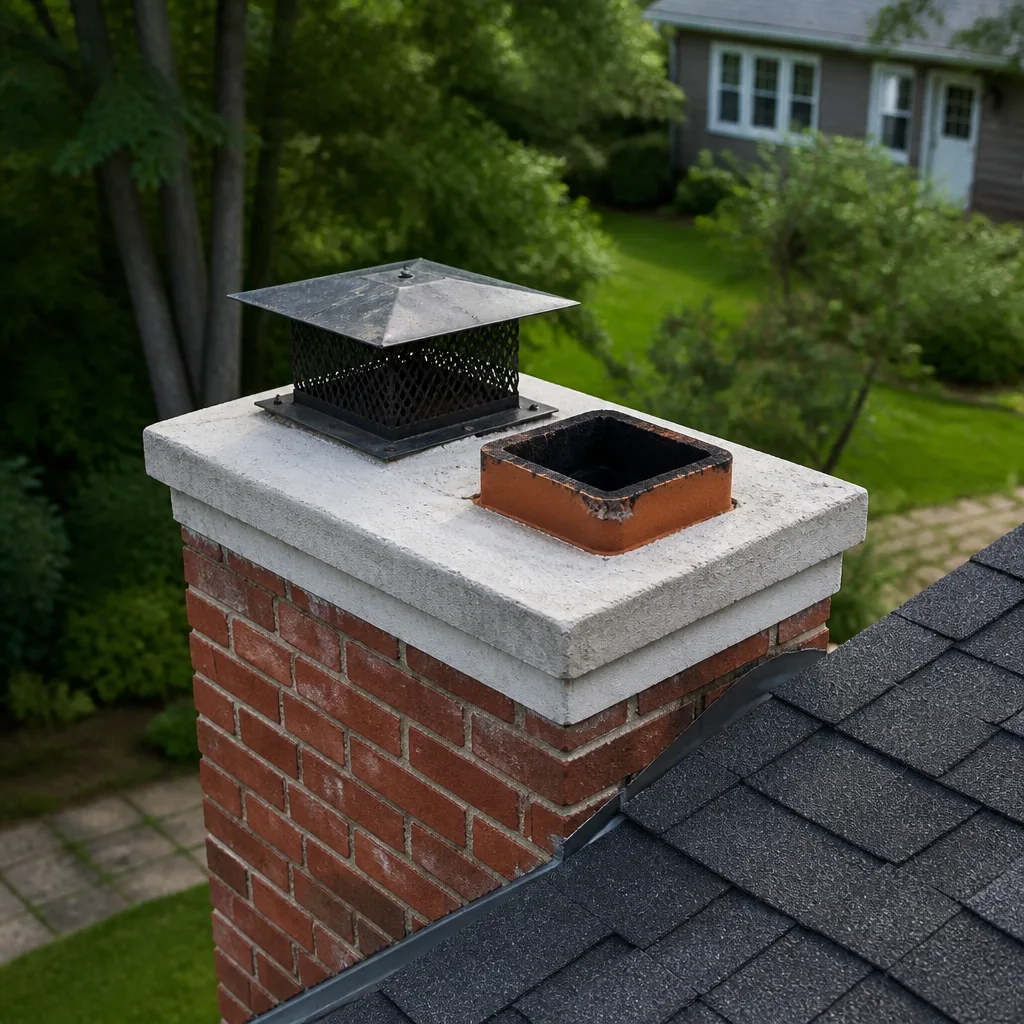
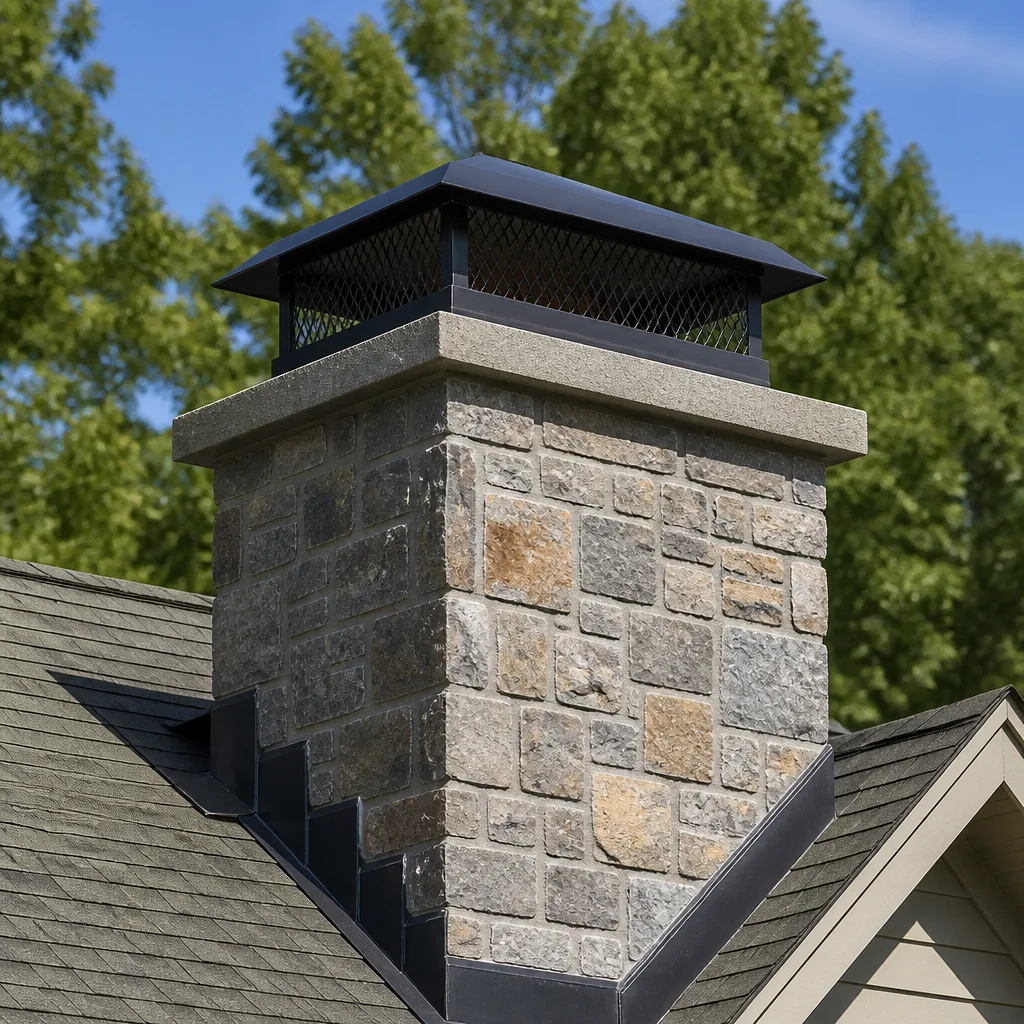
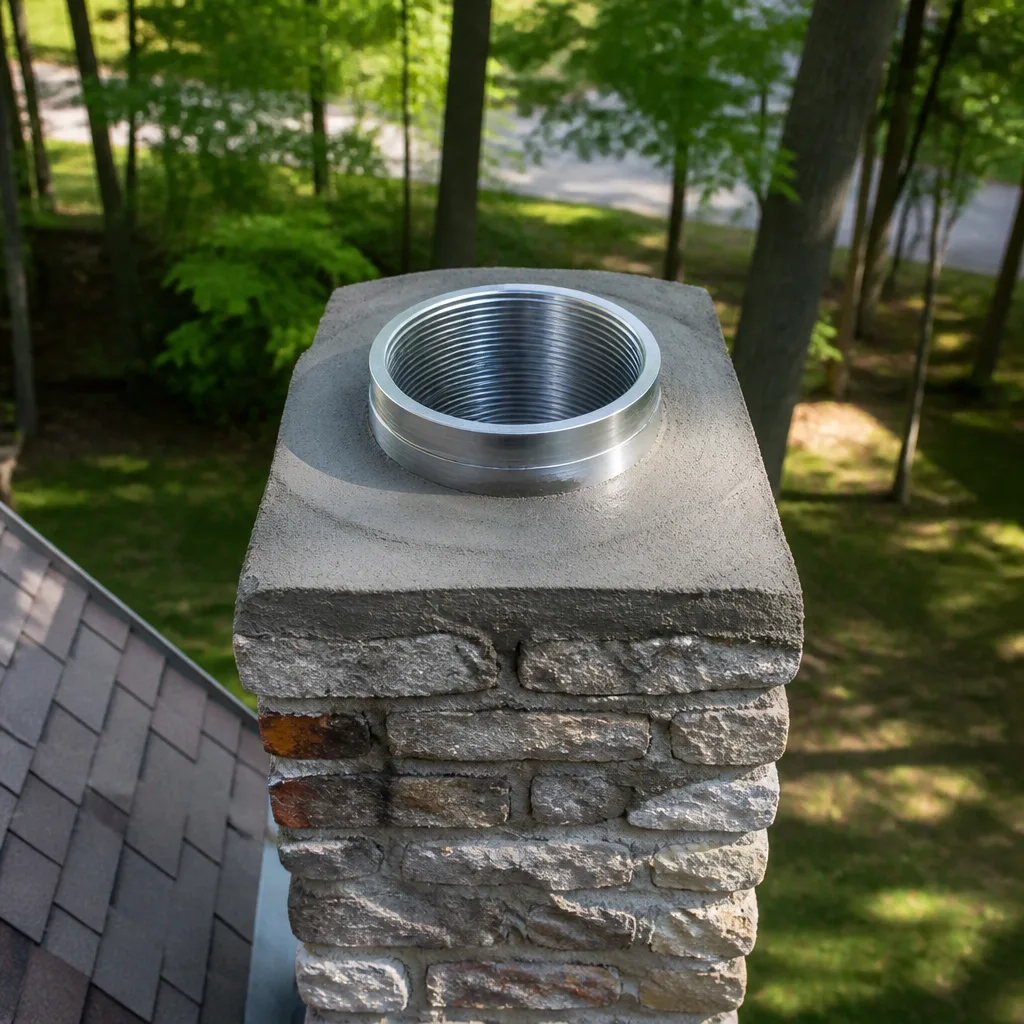
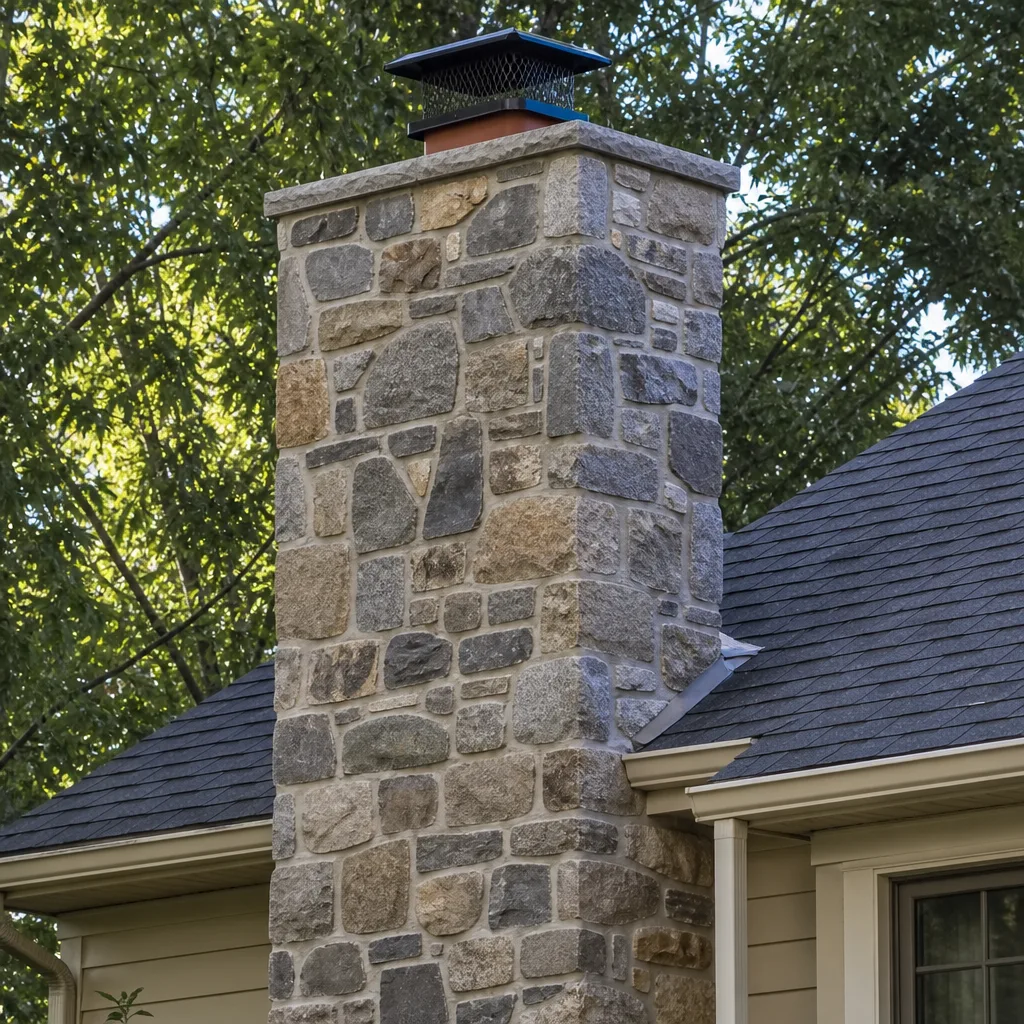
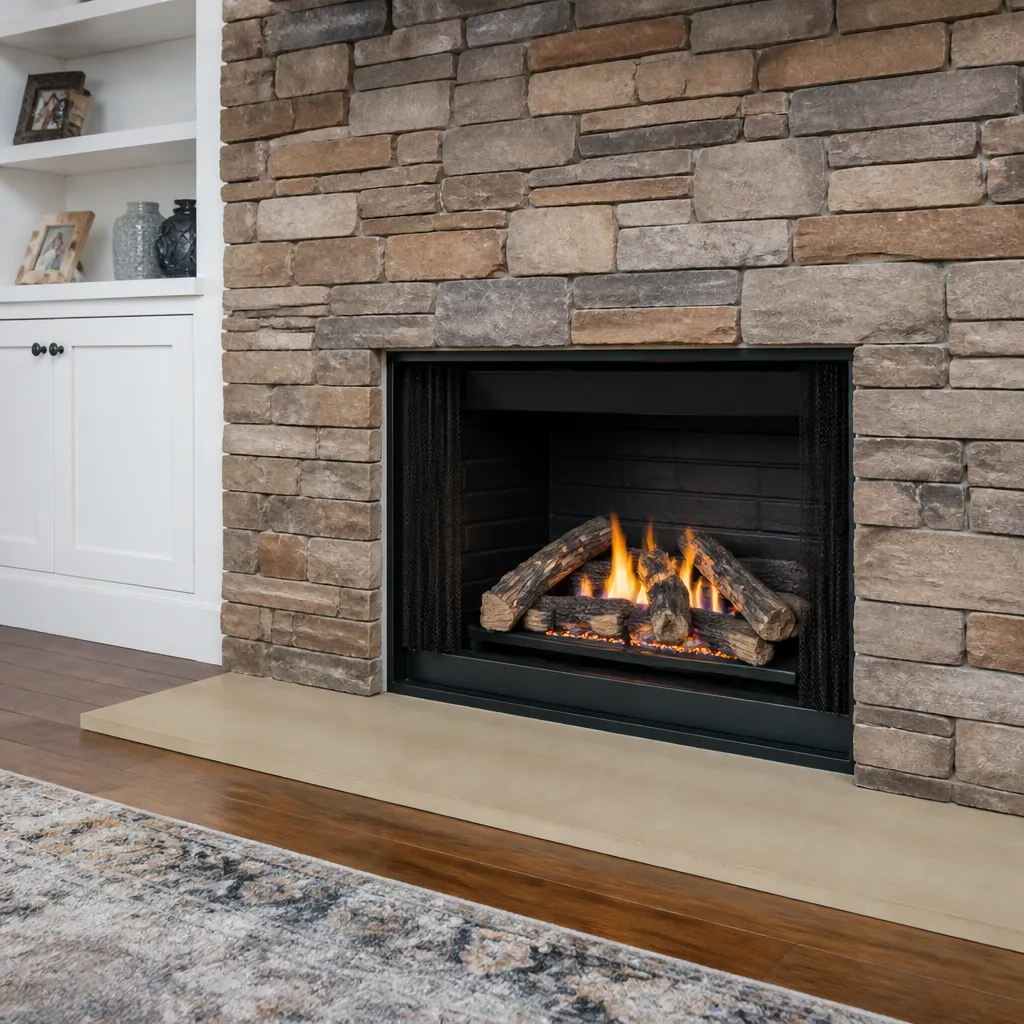
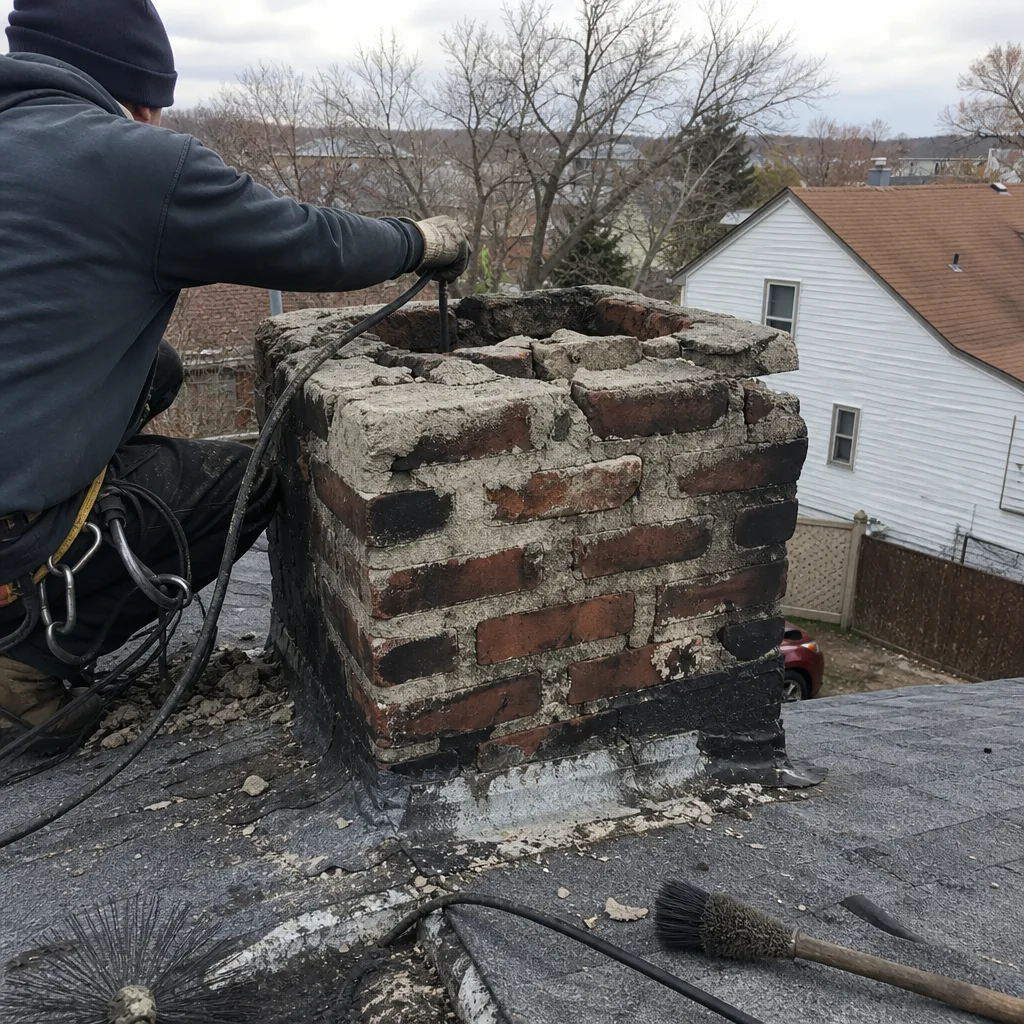 Before
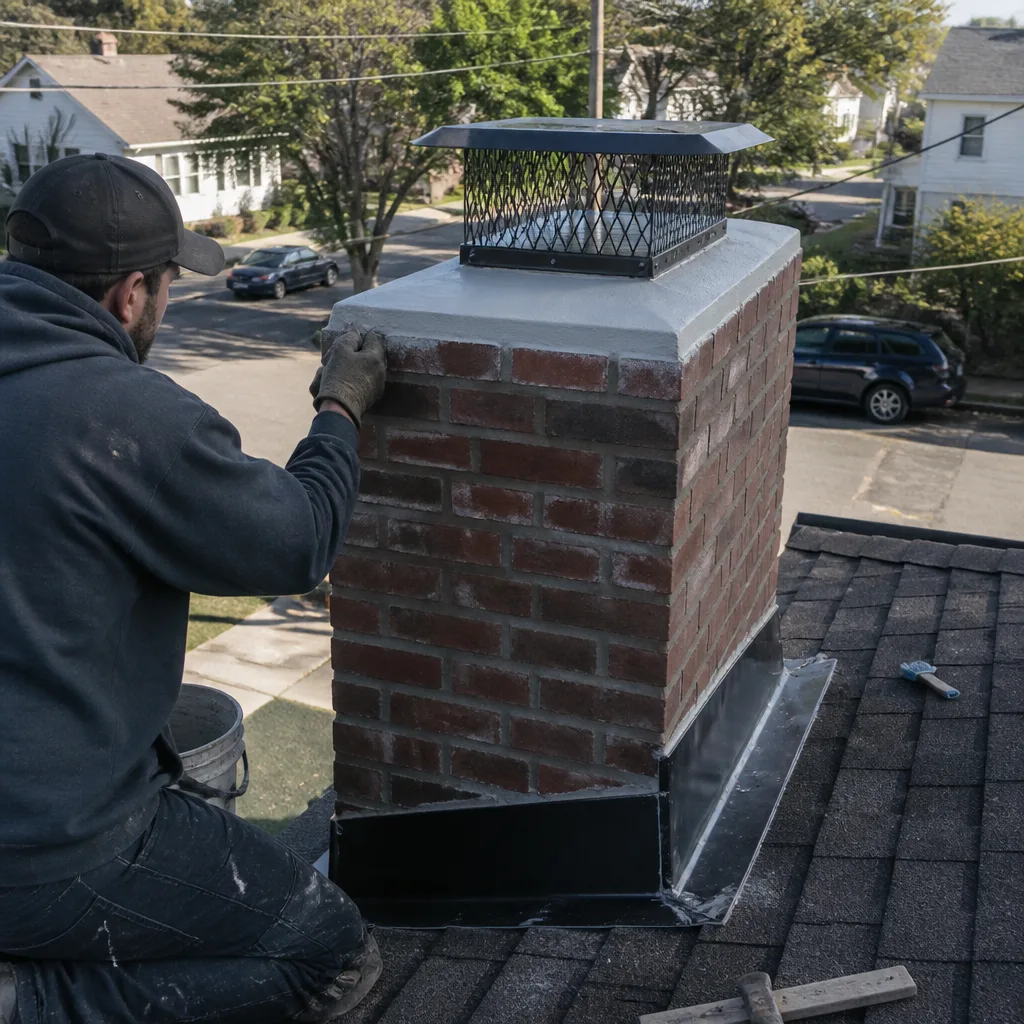 After
After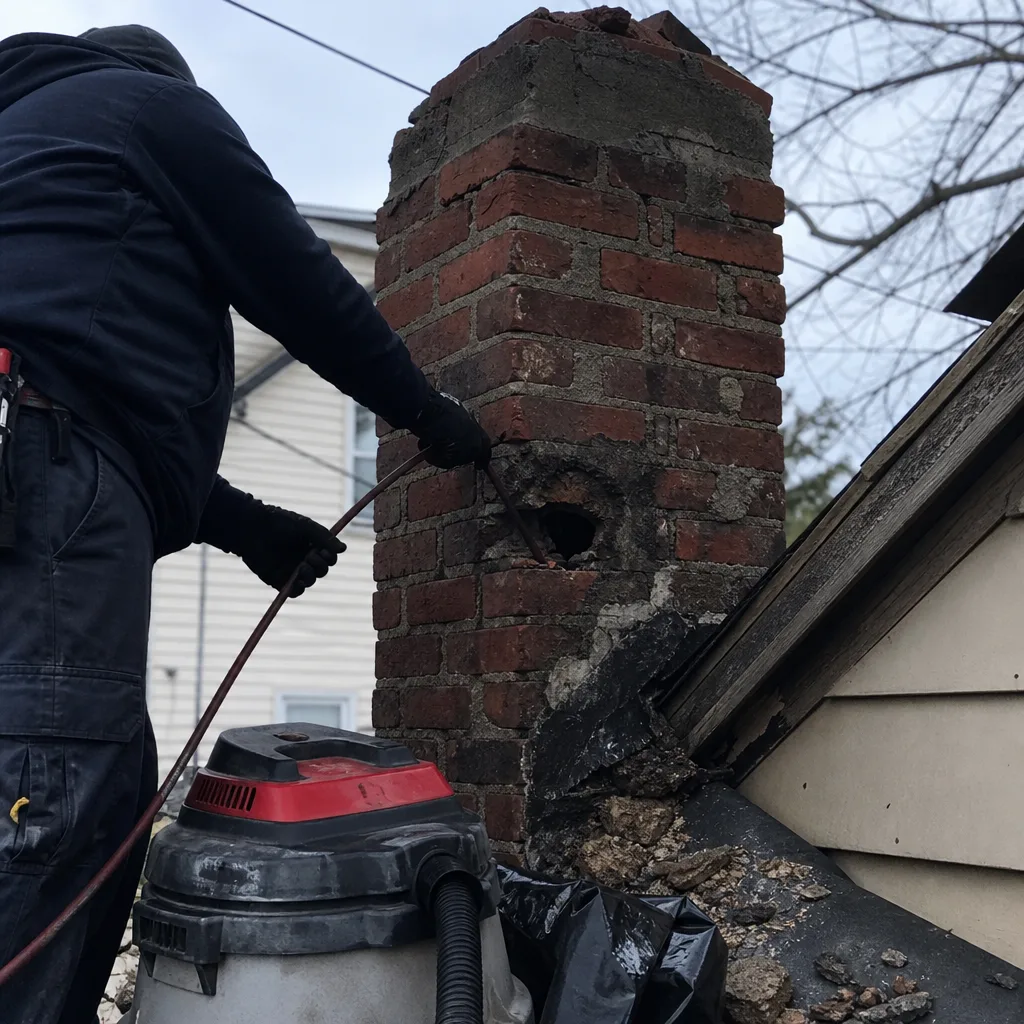 Before
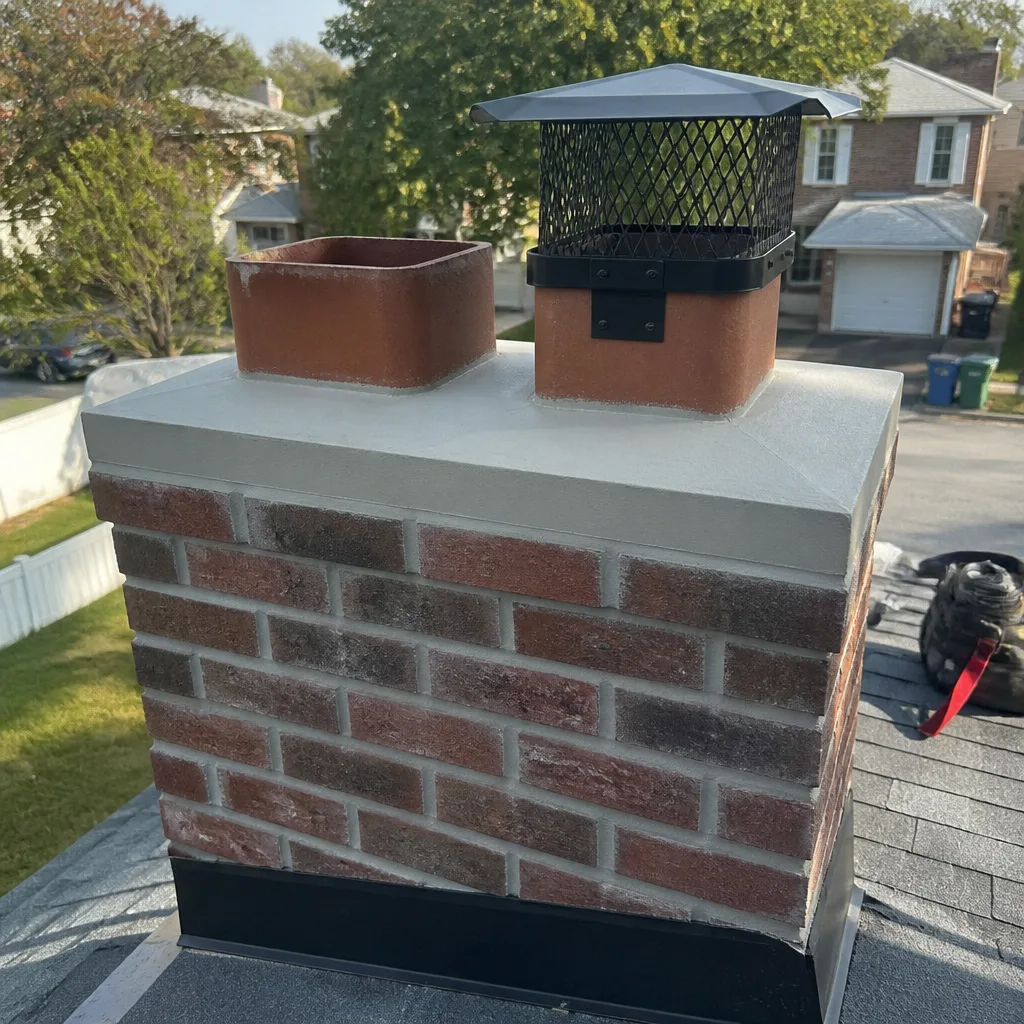 After
After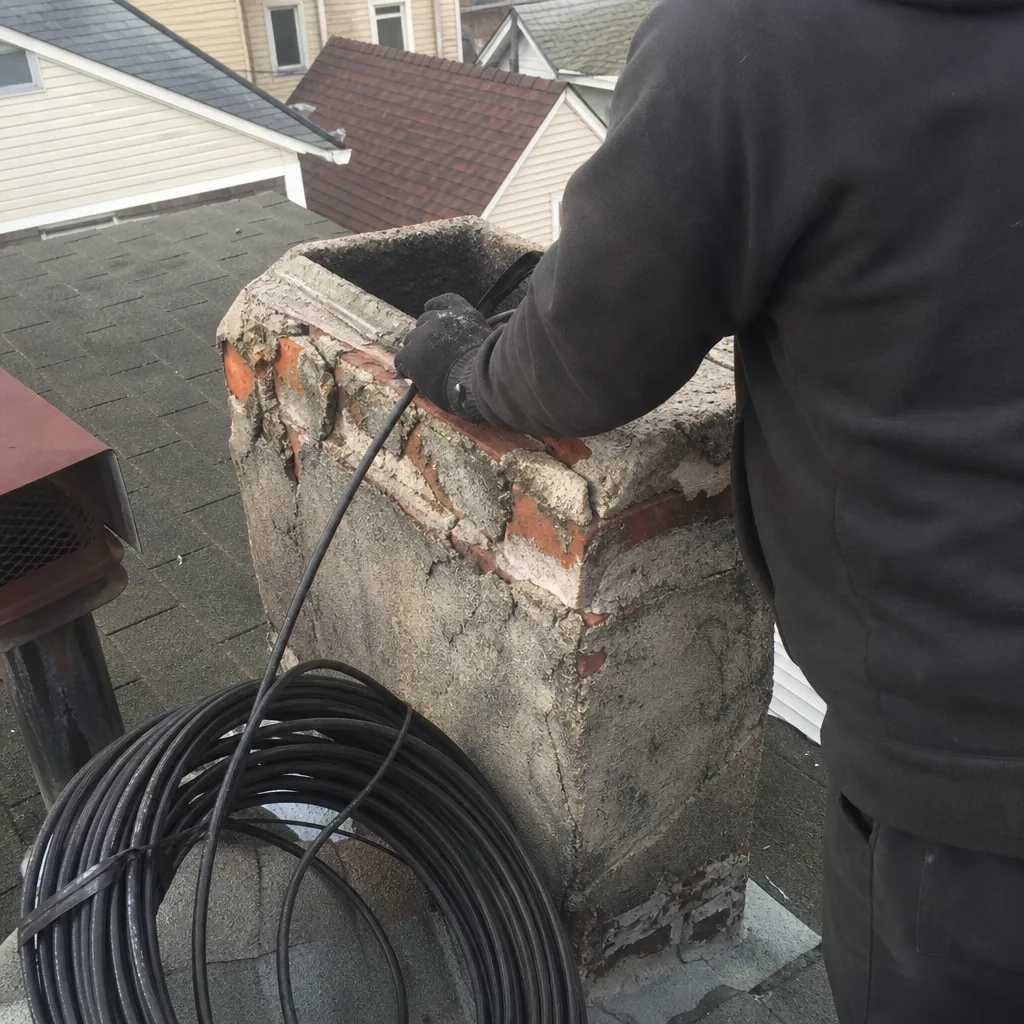 Before
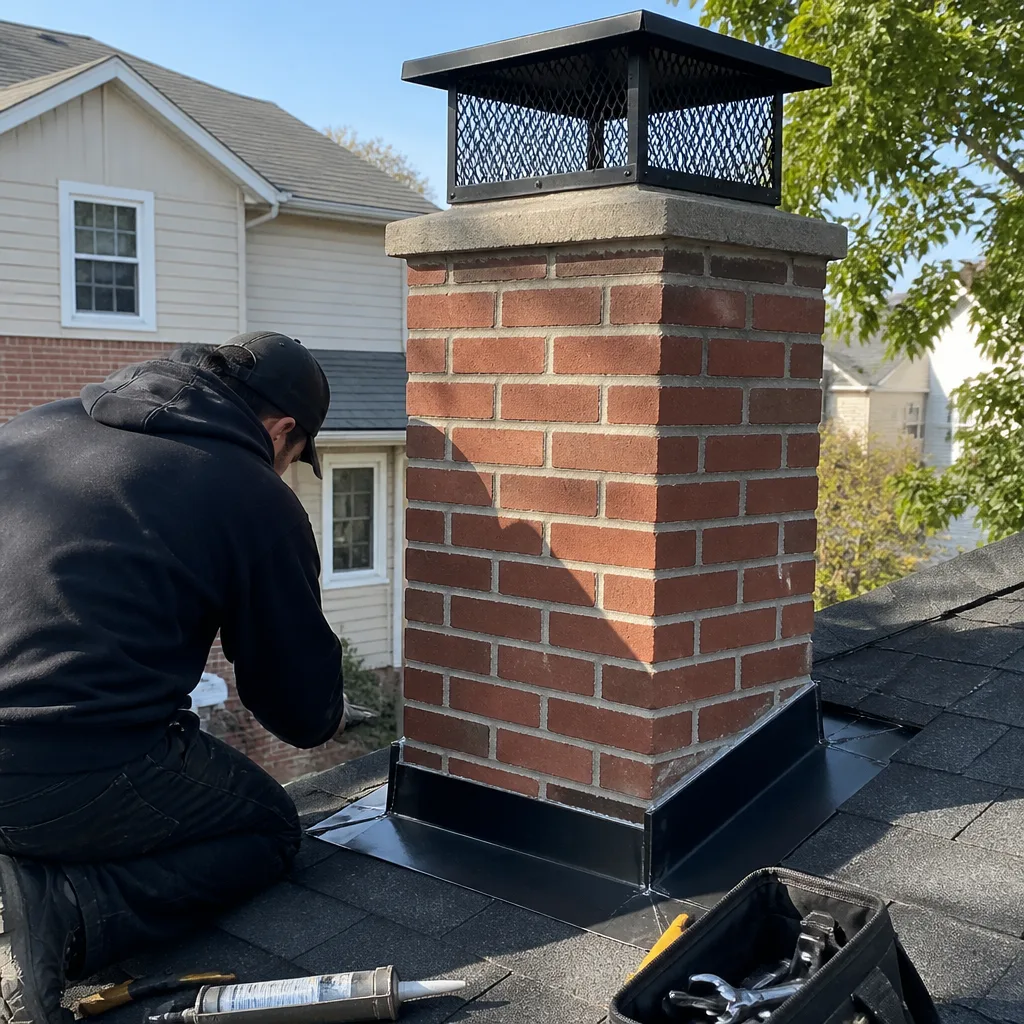 After
AfterSeasonal Chimney Cleaning Care for Queens: Year-Round Homeowner’s Guide
The most expensive chimney repairs we handle in Queens were caused in summer, not by fire. Moisture worked into mortar joints during spring rains, then expanded through freeze-thaw cycles. Animals nested in flues left open through June and July. By October, the homeowner lit the first fire unaware that water damage and obstruction had already compromised the system. In our 42 years serving Queens, we’ve learned that chimneys are year-round structures in a four-season climate. Treat them that way, and you’ll avoid the emergency calls that peak every November. Ignore the off-seasons, and you’re paying for damage that could have been prevented in May.
Quick Answer
Chimney care in Queens should follow a four-season rhythm: spring inspection for winter damage, summer cap and crown maintenance to block moisture and animals, fall professional cleaning and Level-1 inspection before first use, and winter monitoring for draft issues and creosote buildup. A single annual professional chimney cleaning and sweep in Queens, timed in early fall, catches problems created during the other three seasons.
Table of Contents
- Spring: Assessing Damage After the Last Fire
- Summer: The Season of Hidden Damage
- Fall: The Critical Pre-Season Sequence
- Winter: Monitoring Active Use in Queens’ Urban Climate
- The One Annual Investment That Changes Everything
- Queens-Specific Factors: Climate, Codes, and Construction
- Common Mistakes to Avoid
- When to Call a Professional
- Frequently Asked Questions
Spring: Assessing Damage After the Last Fire
Most Queens homeowners close the damper in March and don’t think about the chimney until October. That’s a five-month window where damage sets in and goes unnoticed.
Start with what you can see from the ground. In neighborhoods like Forest Hills and Bayside, where mature tree canopies overhang roofs, spring storms drop branches that crack chimney caps or dislodge flashing. Walk the perimeter and look for:
- Brick fragments or mortar crumbs at the base of the chimney
- Water stains on interior walls or ceilings near the fireplace
- A damper that sticks or won’t fully close
- White efflorescence on exterior brick (salt deposits from moisture migration)
- Rust streaks down the chimney face from a deteriorating cap or chase cover
That white powdering on brick? It’s not cosmetic. Efflorescence means water is moving through the masonry, dissolving salts, and depositing them on the surface. In Queens’ freeze-thaw climate, that same water expands when temperatures drop below 32 degrees, spalling brick faces and opening mortar joints. We’ve replaced crowns in Astoria homes where spring moisture intrusion, left unaddressed, destroyed the top course of brick by the following winter.
Spring is also when creosote odors become noticeable. As humidity rises, the residue coating your flue releases a sharp, acrid smell. If your fireplace smells like an asphalt driveway in July, that’s creosote reacting with moisture. It means the flue needs cleaning before fall, and it may indicate glazed creosote that requires more than a standard brush.
What to do in spring:
- Visual inspection from ground level and attic if accessible
- Check the firebox for cracked bricks or deteriorating mortar
- Operate the damper fully, noting any grinding or sticking
- Schedule any needed chimney repair in Queens before the fall rush
- Book your fall inspection early, before September slots fill
Spring repairs done in April or May cost less than the same work ordered in October, when every sweep in Queens is booked two weeks out-see our Chimney Cleaning Cost Breakdown: The Queens Homeowner’s Reference for 2026 for detailed pricing.
Summer: The Season of Hidden Damage
July and August feel irrelevant to chimney care. The flue is cold, the fireplace is decorative, and the chimney might as well be a column of brick. This assumption costs Queens homeowners thousands.
Summer is when moisture does its worst work. Warm, humid air enters the flue, condenses on cooler interior surfaces, and soaks into masonry. In unlined chimneys, common in pre-war homes throughout Jackson Heights and Sunnyside, this moisture reaches the interior brick and starts deterioration that won’t show until chunks of lining fall into the firebox. We’ve pulled saturated, degraded flue tile from 1920s Queens colonials where the homeowner had no idea the liner was failing because the fireplace “wasn’t being used.”
Animal intrusion peaks in summer. Raccoons, squirrels, and starlings seek cool, sheltered nesting sites. A flue without a proper cap is an invitation. We removed a squirrel nest from a Flushing chimney in August that had compacted to six feet of debris, completely blocking the flue. The homeowner would have discovered it with smoke backing into the living room on the first cold night of October.
Cap deterioration accelerates in summer heat and UV exposure. Metal caps fatigue, mesh screens corrode, and concrete crowns develop hairline cracks that widen with thermal cycling. A cap that looked sound in June can be leaking by September.
Summer maintenance priorities:
- Verify cap and mesh screen integrity after spring storms
- Listen for animal activity, scratching, or chirping from the flue
- Check for water in the firebox after heavy rains
- Address any odors that worsen with humidity
- Schedule crown sealing or cap replacement before fall demand spikes
Materials matter here. We install caps and components from Famco and Copperfield because they hold up to Queens’ combination of coastal humidity, urban pollution, and temperature swings. Builder-grade hardware from big-box stores typically lasts three to four summers before corrosion sets in.
Fall: The Critical Pre-Season Sequence
September is the month that separates prepared homeowners from emergency callers. Every year, the pattern repeats: the first cold snap hits Queens in mid-October, fireplaces light for the first time in seven months, and our phones ring with smoke problems, carbon monoxide alarms, and chimney fires.
The correct sequence matters. Here’s what should happen, in order, before the first fire:
- Professional inspection first. A Level-1 inspection assesses accessible portions of the chimney structure, flue, and connections. It identifies blockages, liner damage, and structural issues that would make cleaning unsafe or insufficient.
- Cleaning second, if needed. Sweeping removes creosote, debris, and obstructions. In Queens, where many homeowners burn pressed logs or seasoned hardwood from Long Island suppliers, creosote accumulation varies. An inspection determines whether standard sweeping, mechanical removal, or chemical treatment is appropriate.
- Repairs third. Any needed work, from crown sealing to liner repair, happens before the heating season. Our background-checked, uniformed technicians complete most jobs in a single visit, with no-hassle upfront pricing so there are no surprises on the bill.
- Final verification. After cleaning and any repairs, the system is checked for proper draft and clear flue passage.
Scheduling in early September beats the October rush by four to six weeks. It also means if inspection reveals unexpected damage, there’s time to complete repairs before you need heat. We’ve had Queens homeowners call us in late October with cracked flue liners, expecting same-week replacement. The work is possible, but the stress is unnecessary.
What a proper fall service includes:
- Interior and exterior visual inspection of accessible components
- Flue cleaning with professional-grade brushes and vacuum systems
- Firebox and damper assessment
- Smoke chamber and shelf inspection where visible
- Documentation of findings with photos
Our chimney cleaning and sweep in Queens includes this full sequence. We don’t clean without inspecting first, and we don’t hand you a report filled with jargon. Photos you can see, a plain-English verdict.
Winter: Monitoring Active Use in Queens’ Urban Climate
Once the system is clean and verified, winter care shifts to monitoring. Queens presents specific conditions that affect chimney performance.
The urban heat island effect matters more than most homeowners realize. On cold nights, when surrounding areas drop into the teens, Queens’ dense construction and pavement keep ambient temperatures several degrees higher. This sounds beneficial, but it can suppress draft in marginal systems. A chimney that drafted adequately in a colder climate may struggle here, especially with exterior chimneys on freestanding walls. Weak draft means smoke lingering in the firebox, incomplete combustion, and accelerated creosote formation.
Watch for these winter indicators:
- Smoke entering the room when starting a fire (cold air blockage or draft reversal)
- Excessive creosote buildup despite burning seasoned wood
- Water dripping into the firebox during thaw periods (condensation or cap leak)
- Discoloration or odors from the hearth after heavy use
- Carbon monoxide detector activation, even briefly
Any of these symptoms warrants professional assessment. Carbon monoxide is odorless and invisible. A properly functioning chimney vents it outside. A compromised system does not.
Burning practices affect winter maintenance needs. Hardwoods (oak, maple, ash) burned fully seasoned produce less creosote than softwoods or green wood. In Queens, where many homeowners buy cordwood from Long Island or upstate suppliers, verify moisture content with a meter or by checking for cracks in the end grain. Well-seasoned wood should read below 20% moisture.
Space heaters and fireplace inserts change the equation. They burn hotter and more efficiently, but they also alter flue gas temperatures and draft patterns. An insert installed without proper liner connection can overcool flue gases and increase condensation. We’ve corrected installations in Fresh Meadows and Kew Gardens where the insert functioned perfectly but the unlined flue above it was deteriorating from acidic condensation.
The One Annual Investment That Changes Everything
If you do nothing else, schedule a professional Level-1 inspection annually. This single service makes every seasonal task more targeted, more efficient, and ultimately cheaper.
Here’s why: without documented baseline condition, you’re guessing. A homeowner who skips three years of inspections doesn’t know whether a crack in the crown is new or stable, whether flue tile damage is progressing, or whether last year’s cleaning removed all hazardous creosote. By year four, they’re facing a $4,000 liner replacement that might have been a $400 crown repair if caught early.
Our Level-2 camera inspections, performed when indicated, document the flue interior with photographs you receive. The technician explains findings in plain English. No hidden damage, no surprise recommendations. In writing, no arguing.
The inspection also establishes a maintenance rhythm. Once you know your chimney’s specific pattern, seasonal tasks become predictable. Some Queens homes with older brick and exposed crowns need annual crown sealing. Others with quality caps and sound construction can go two years between exterior maintenance. The inspection tells you which you have.
Cost context: in Queens, professional chimney inspection and cleaning typically runs $200-$350 for a standard flue. Compare that to the average cost of emergency service calls ($150-$250 plus after-hours rates), liner replacement ($2,500-$5,000), or fire damage restoration (often exceeding $10,000). The annual inspection is the cheapest insurance you carry.
Our $89 Seasonal Tune-Up makes this accessible. It includes inspection, basic cleaning, and operational check. For most Queens homeowners with standard fireplaces and regular use patterns, this is the only service needed in a typical year.
Queens-Specific Factors: Climate, Codes, and Construction
Queens chimneys face conditions distinct from suburban or rural systems. Understanding these factors helps explain why generic advice falls short.
Freeze-thaw cycling. Queens averages 25-30 freeze-thaw cycles annually, where temperatures cross 32 degrees in a 24-hour period. Each cycle forces moisture in masonry to expand and contract. Brick faces spall. Mortar joints erode. Crowns crack. The effect is most severe on south- and west-facing exposures that heat in daytime sun, then freeze overnight. Homes in breezier areas like the Rockaways or Broad Channel see accelerated deterioration from wind-driven rain plus thermal stress.
Coastal humidity. Proximity to Long Island Sound and Jamaica Bay means higher ambient moisture year-round. This increases condensation in flues, corrosion of metal components, and biological growth on exterior masonry. We’ve treated efflorescence and algae staining on Queens chimneys that would be uncommon in drier inland climates.
Pre-war construction. Much of Queens’ housing stock dates to the 1920s-1940s. These chimneys were built for coal or early oil heating, then adapted for wood or gas. Original clay flue liners may be unlined, partially lined, or lined with tile sizes incompatible with modern appliances. In Forest Hills Gardens or parts of Astoria, we’ve found chimneys with no liner at all, just parged mortar that has degraded to expose bare brick.
Local codes and permits. New York City building code requires permits for chimney reconstruction, liner installation, and certain repairs. Work performed without proper permitting can complicate home sales and insurance claims. We handle permit coordination for chimney repair in Queens that requires city approval.
Urban pollution. Acidic precipitation and airborne particulates accelerate mortar deterioration. This isn’t abstract environmental concern, it’s measurable material degradation. We specify professional-grade materials from Olympia Chimney, DuraFlex, and other industry-trusted brands specifically for chemical resistance in urban environments.
Common Mistakes to Avoid
- Waiting for October to schedule. By then, every reputable sweep in Queens is booked solid. You’re choosing between waiting in the cold or hiring whoever answers the phone.
- Assuming “not using it” means “not maintaining it.” Summer moisture and animal intrusion damage unused chimneys as severely as active use. We’ve replaced liners in chimneys that hadn’t burned wood in five years.
- Buying a chimney cap at a hardware store. Generic caps rarely fit properly, use inferior metal, and lack proper mesh sizing. They fail within seasons. Professional-grade caps from Famco or Copperfield, properly measured and installed, last decades.
- Ignoring the smell. Creosote odor in summer isn’t just unpleasant. It’s a humidity indicator showing your flue needs attention. Masking it with air fresheners wastes time while damage progresses.
- DIY cleaning with household tools. A brush on a pole from a home center won’t remove glazed creosote. Worse, improper technique can damage liner tile or dislodge debris into an obstruction. For hazardous components like flue interiors, we recommend trained professional service.
- Skipping inspection after a chimney fire. Even a small, self-extinguished fire can crack flue tile or damage mortar. The chimney may look fine and fail dangerously next use. Always inspect after any fire event.
- Hiring based on lowest price alone. In Queens, unaccountable operators with no physical address and no insurance undercut legitimate businesses. When something goes wrong, they disappear. We’ve repaired work that created hazards the homeowner didn’t discover for years.
When to Call a Professional
Call when you see water in the firebox, smell persistent creosote odor, hear animal activity, or notice any change in draft performance. Call after any chimney fire, however minor. Call if your chimney hasn’t been professionally inspected in over twelve months.
We’re not alarmists. Some issues can wait. A hairline crown crack noted in May can be sealed in September. A slightly sticking damper isn’t an emergency. But we can’t tell you which category you’re in without looking.
Hearthstone Chimney Co. home offers free estimates in Queens. Call (516) 531-6315. A live person answers every call, 24 hours a day, 7 days a week. We’ll schedule inspection at your convenience, provide upfront pricing, and document everything with photos and a plain-English verdict. Done right, and we stand behind it.
Frequently Asked Questions
A standard chimney cleaning and inspection in Queens typically costs between $200 and $350, depending on flue accessibility, creosote condition, and whether the system has inserts or multiple flues. Our $89 Seasonal Tune-Up covers basic inspection and cleaning for standard fireplaces. Call (516) 531-6315 for an exact quote, estimates are free.
The National Fire Protection Association recommends annual inspection for all chimneys, and cleaning as needed based on creosote accumulation. In Queens, where many homeowners burn regularly through winter and face summer moisture intrusion, we find most systems need annual service. Heavy use, green or softwood burning, or marginal draft may require more frequent attention.
A legitimate liner recommendation is based on visible damage, documented with camera inspection photos you can see for yourself. Common reasons for replacement include cracked or missing flue tile, glazed creosote that cannot be mechanically removed, or installation of a new appliance that requires proper sizing. At Hearthstone, nothing is recommended without photographic evidence, and we’ll plainly tell you when work can safely wait. Call (516) 531-6315 for a free second opinion on any written estimate.
Skipped maintenance leads to creosote accumulation, which can ignite causing chimney fires that damage liners and spread to framing. Moisture intrusion destroys masonry from inside, eventually requiring rebuild. Animal nests and debris create blockages that force carbon monoxide into living spaces. These outcomes develop gradually, then manifest suddenly, often on the coldest night of the year. The annual cost of prevention is a fraction of emergency repair or fire restoration.
Summer chimney odor is creosote reacting with humidity. As warm, moist air enters the flue, it activates residual deposits from winter burning. The smell indicates your flue needs cleaning and may signal inadequate draft or excessive creosote buildup. It’s not just unpleasant, it’s a diagnostic signal that your system needs attention before fall.
We don’t recommend it. Without inspection, you cannot verify that the flue is clear, the liner is intact, and the system will vent properly. The risk isn’t hypothetical, we’ve responded to carbon monoxide calls and chimney fires in Queens homes where the homeowner “didn’t think it was that dirty.” Schedule inspection before first use, it’s the only safe approach.
The Bottom Line
Queens chimney care is a year-round discipline, not an October errand. Spring reveals winter’s damage. Summer creates moisture and animal problems that go unseen. Fall offers the last chance for orderly preparation. Winter demands vigilance during active use. The homeowners who avoid emergencies and major repairs are those who treat each season with appropriate attention. A single annual professional inspection, timed in early fall, coordinates this rhythm and catches problems while they’re still small. We’ve served Queens for over 42 years, and we’ve never seen a chimney fail that was properly maintained. We’ve seen hundreds fail that weren’t. For year-round guidance, explore more guides & resources on our blog.
Written by Russell Haines, Owner at Hearthstone Chimney Co., serving Queens since 2014.