
Last updated September 10, 2026
Level 1 sweep and inspection to the NFPA 211 annual standard - flue, crown, cap, and flashing checked and photographed
Chimney sweep logs do not sweep chimneys. They loosen some creosote - which then falls where a brush and vacuum still have to collect it.
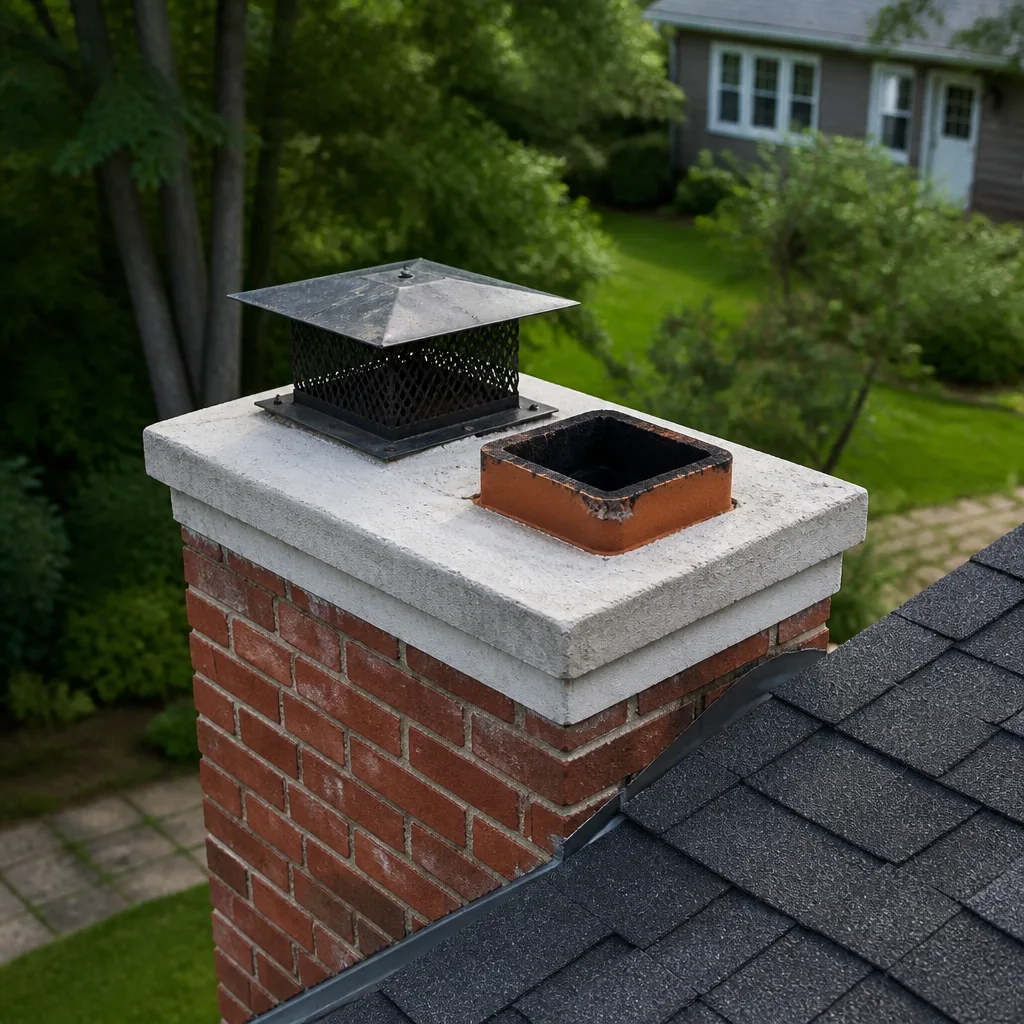
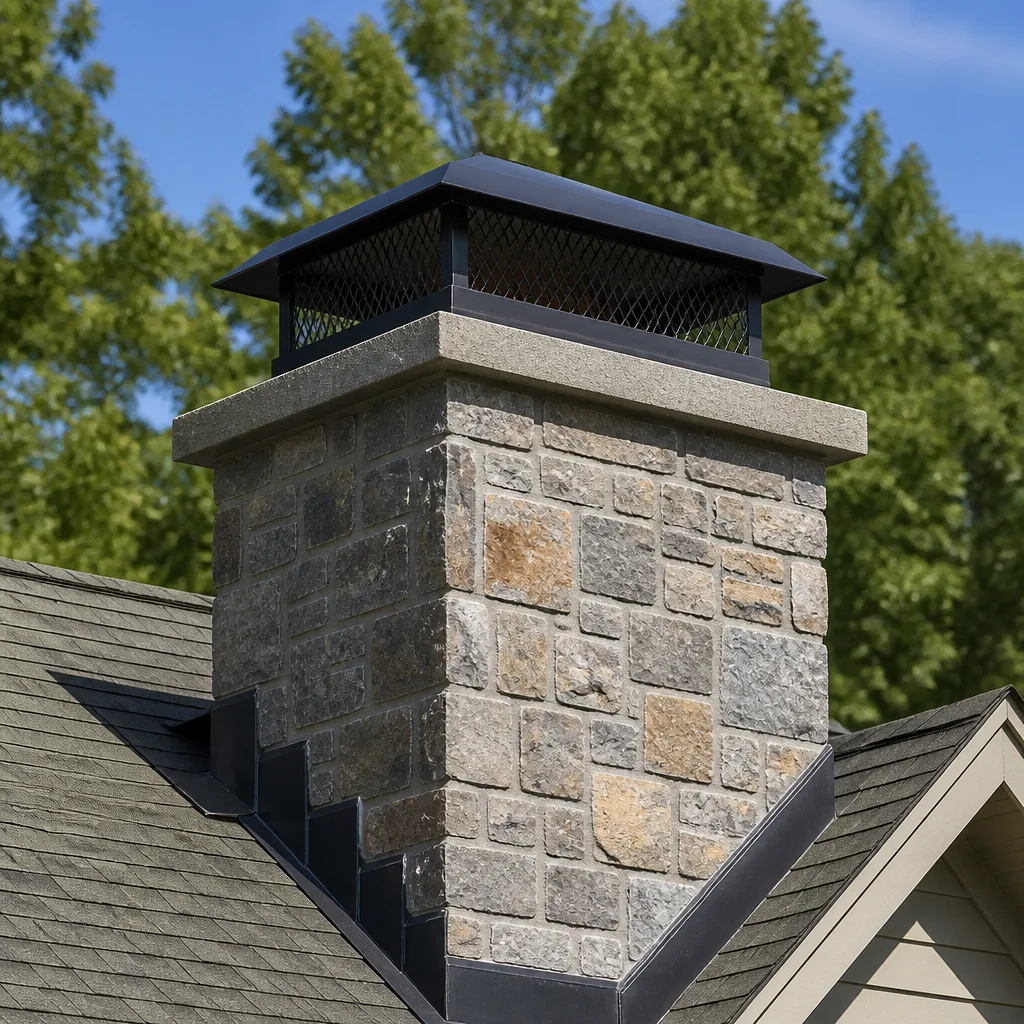
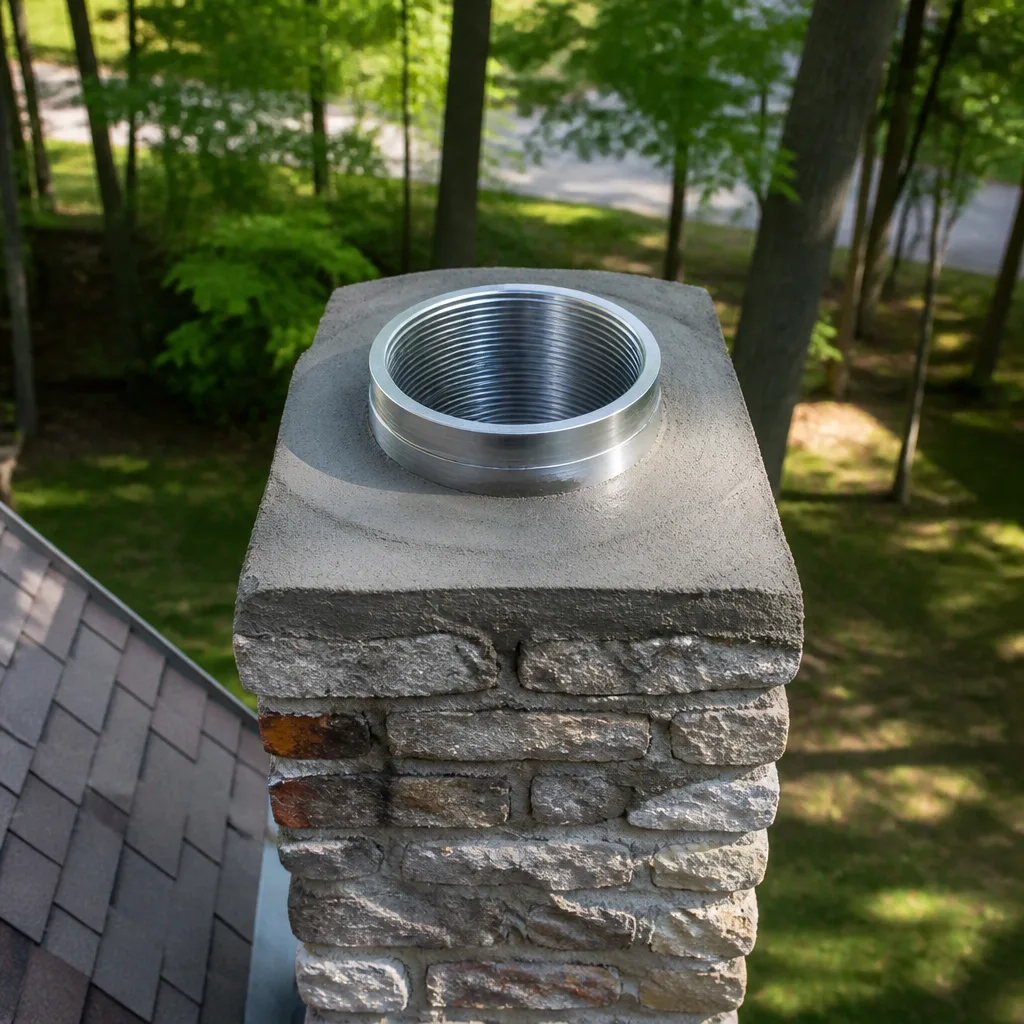
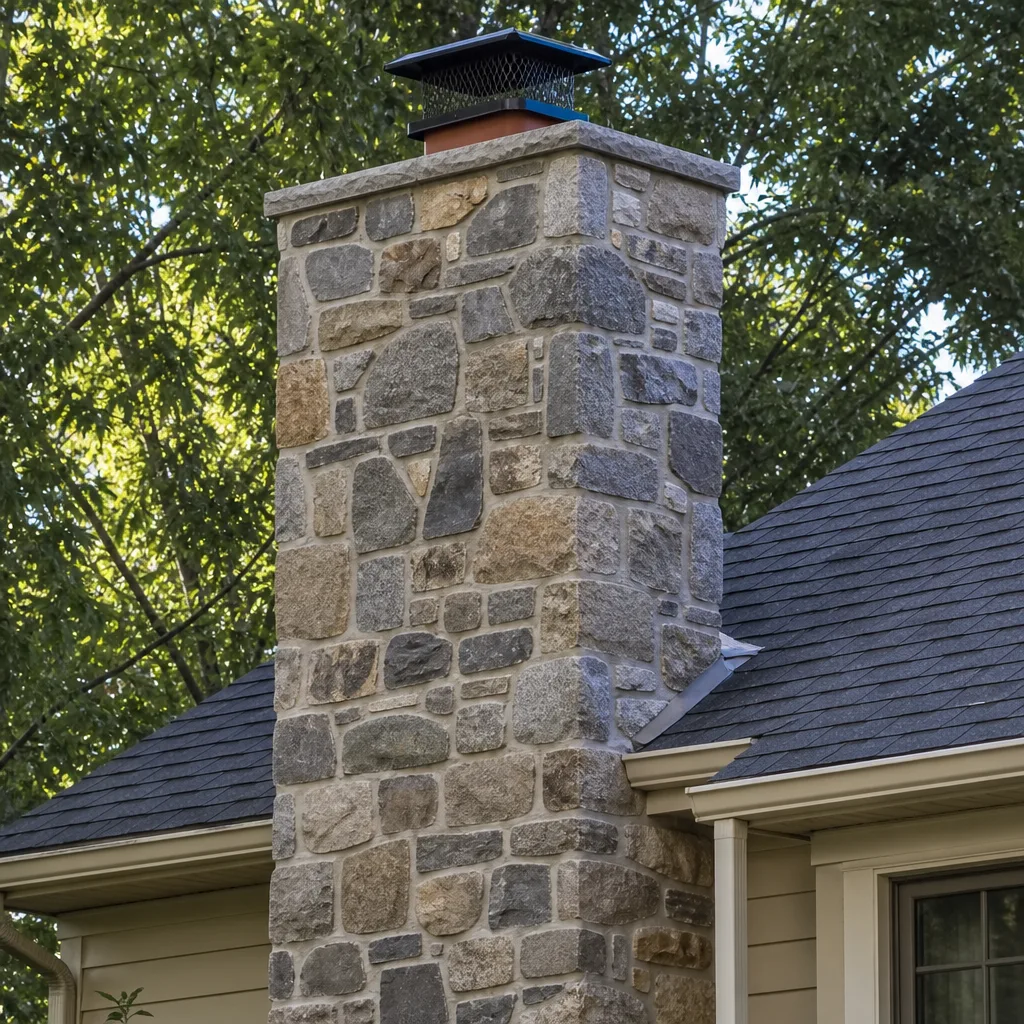
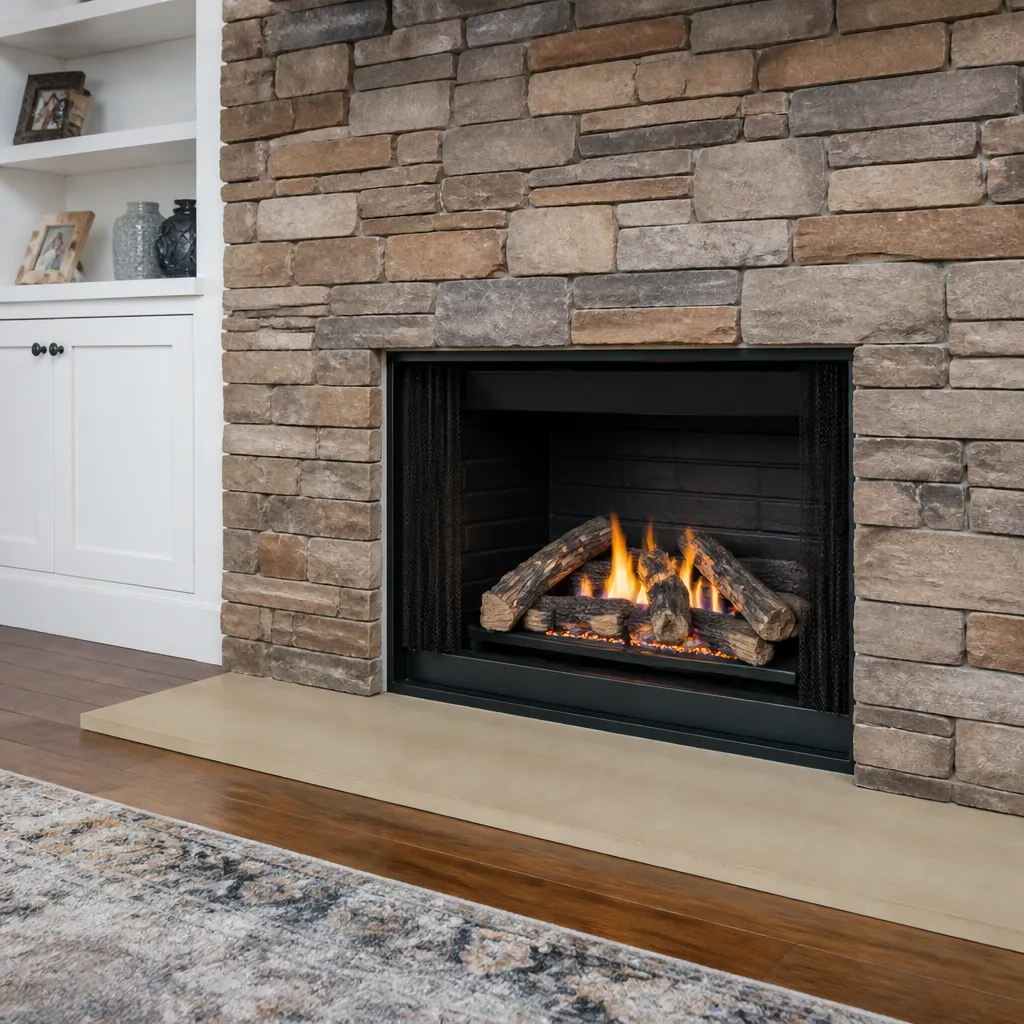
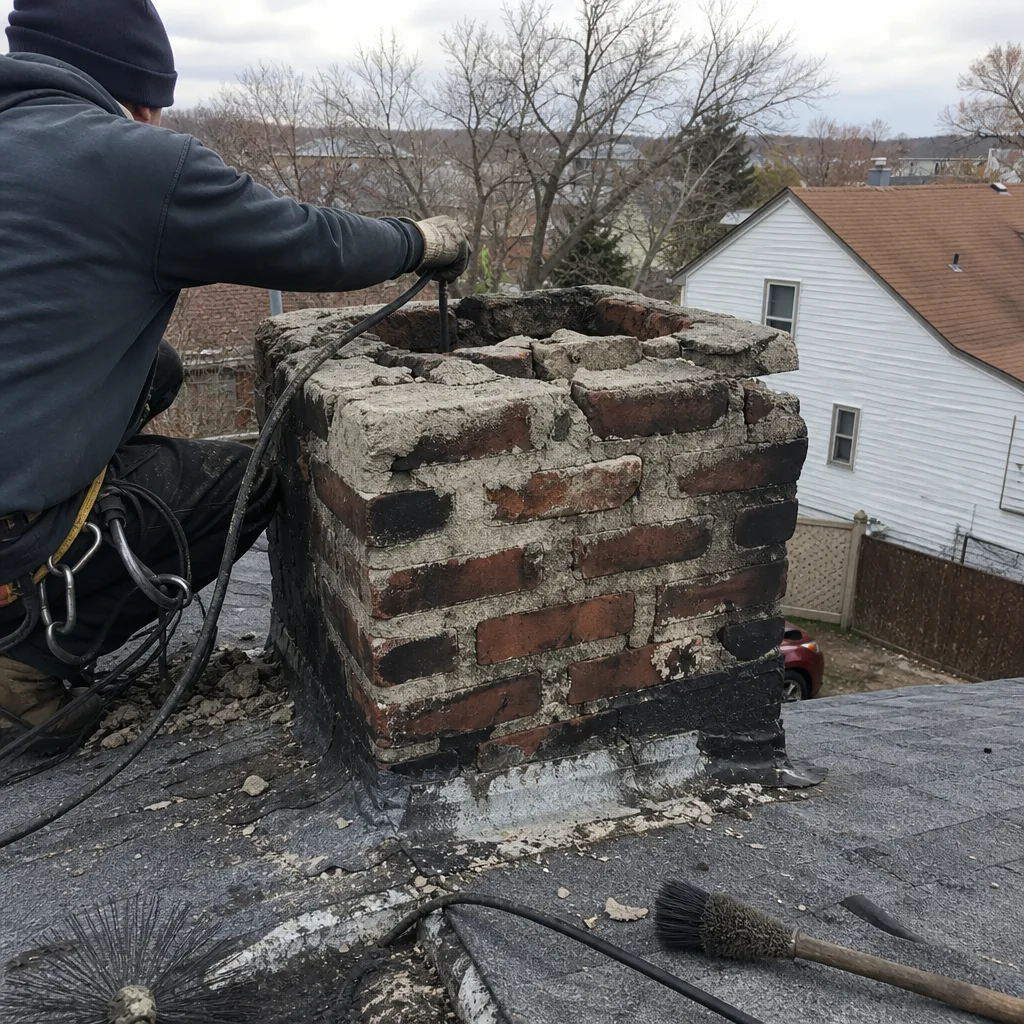 Before
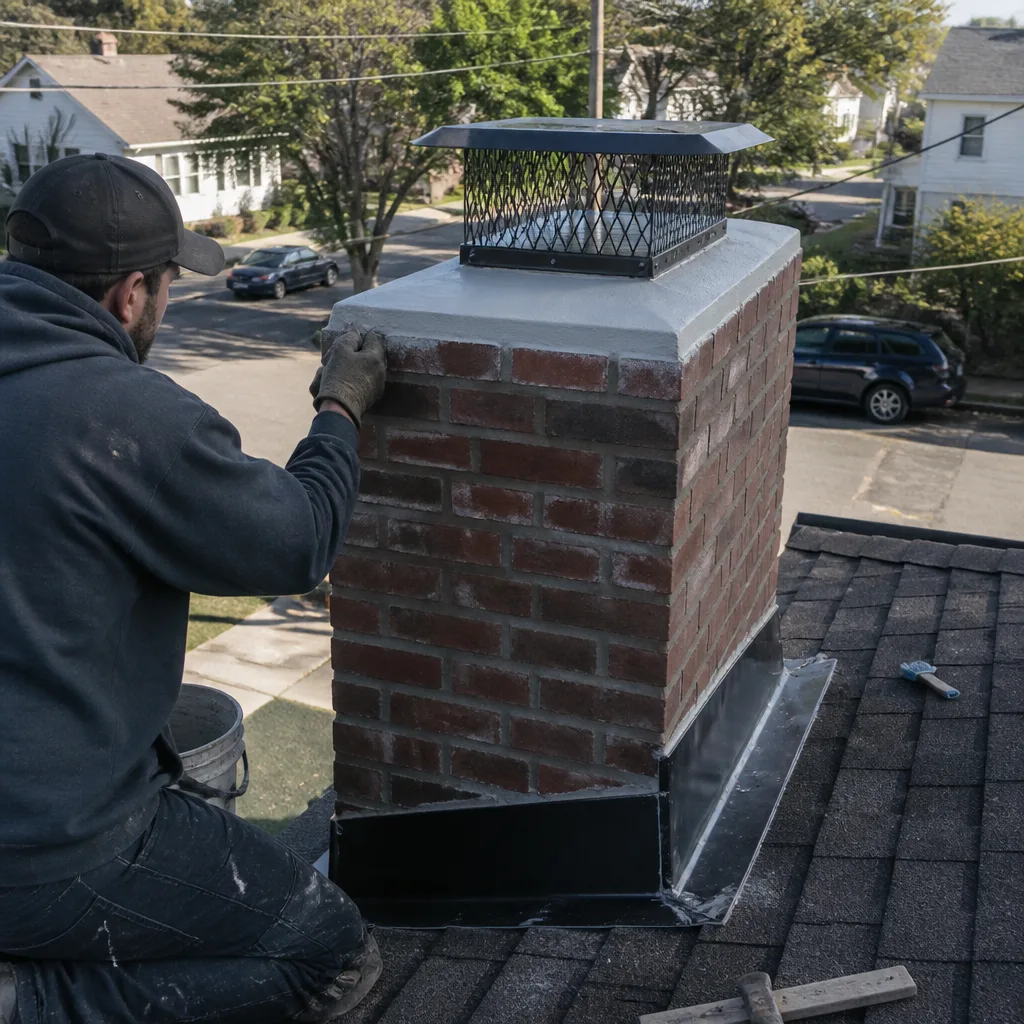 After
After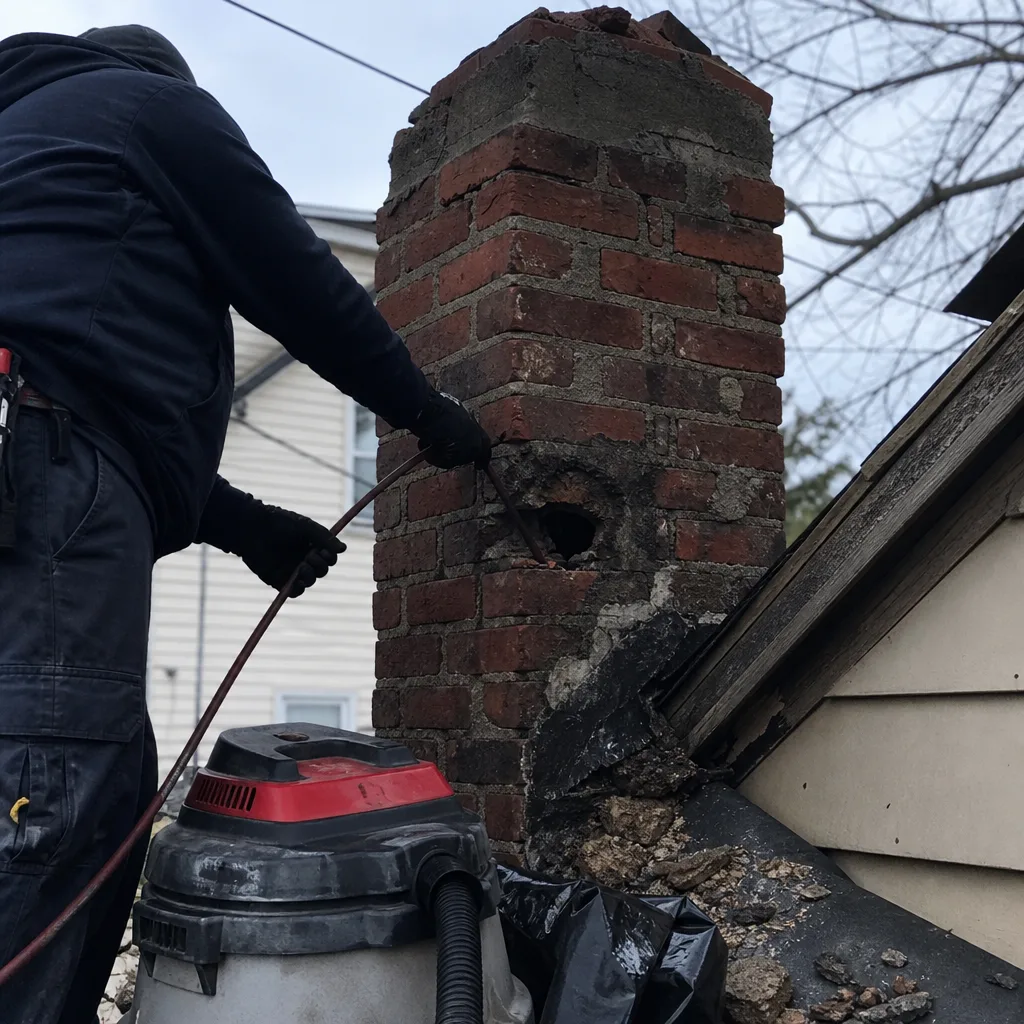 Before
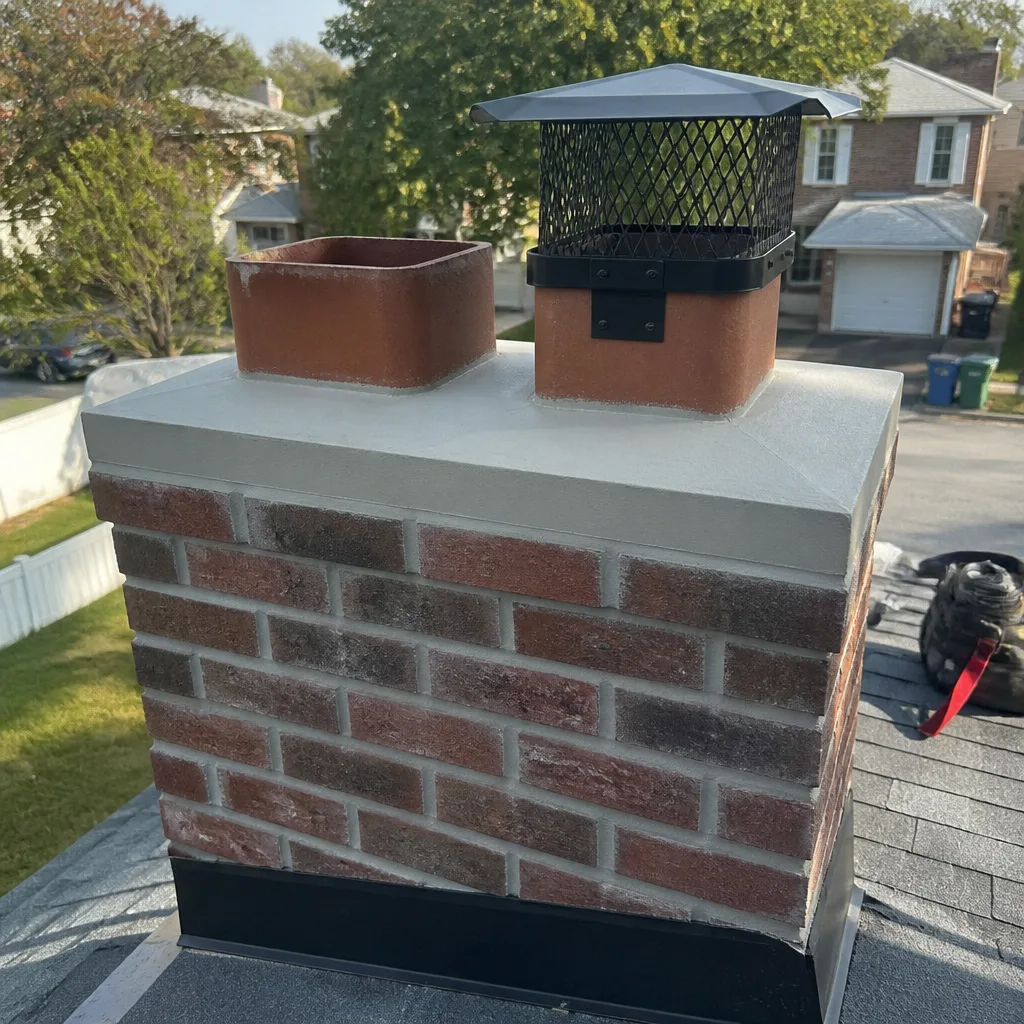 After
After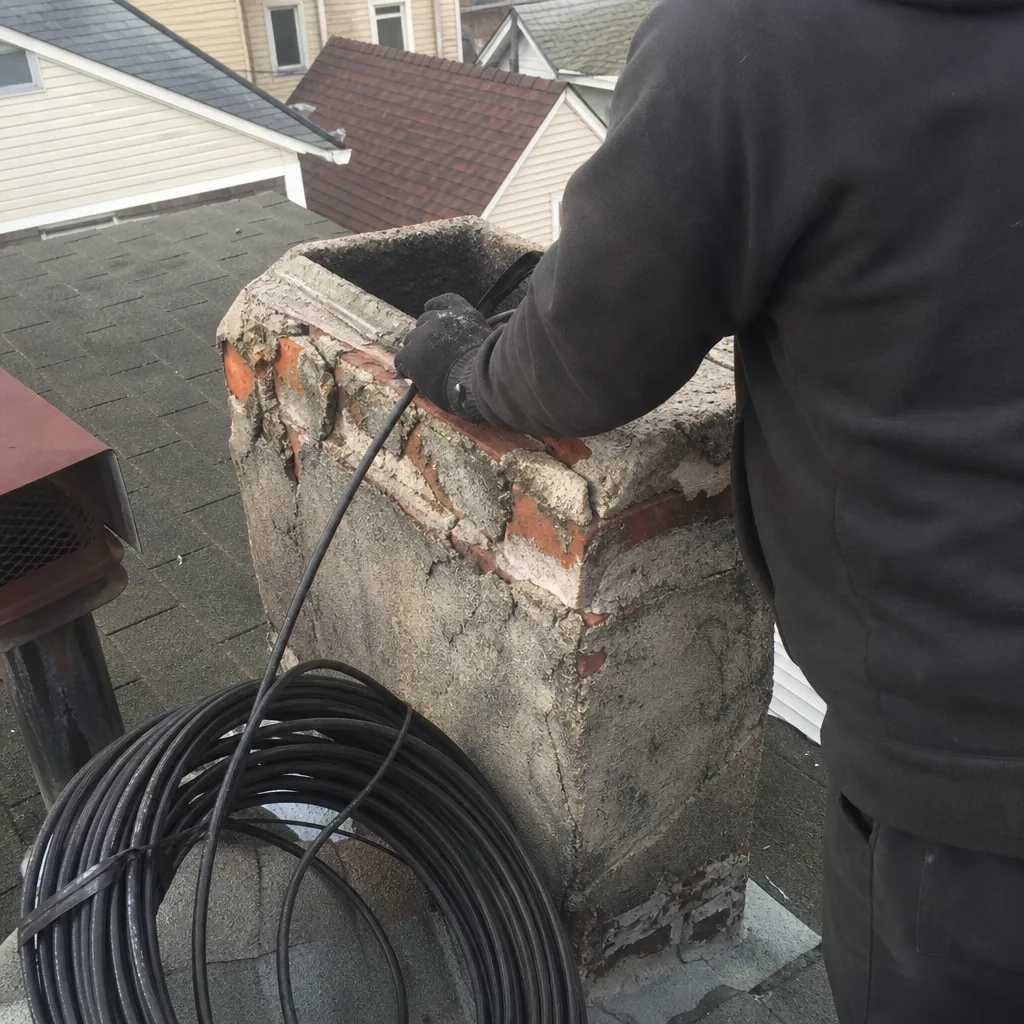 Before
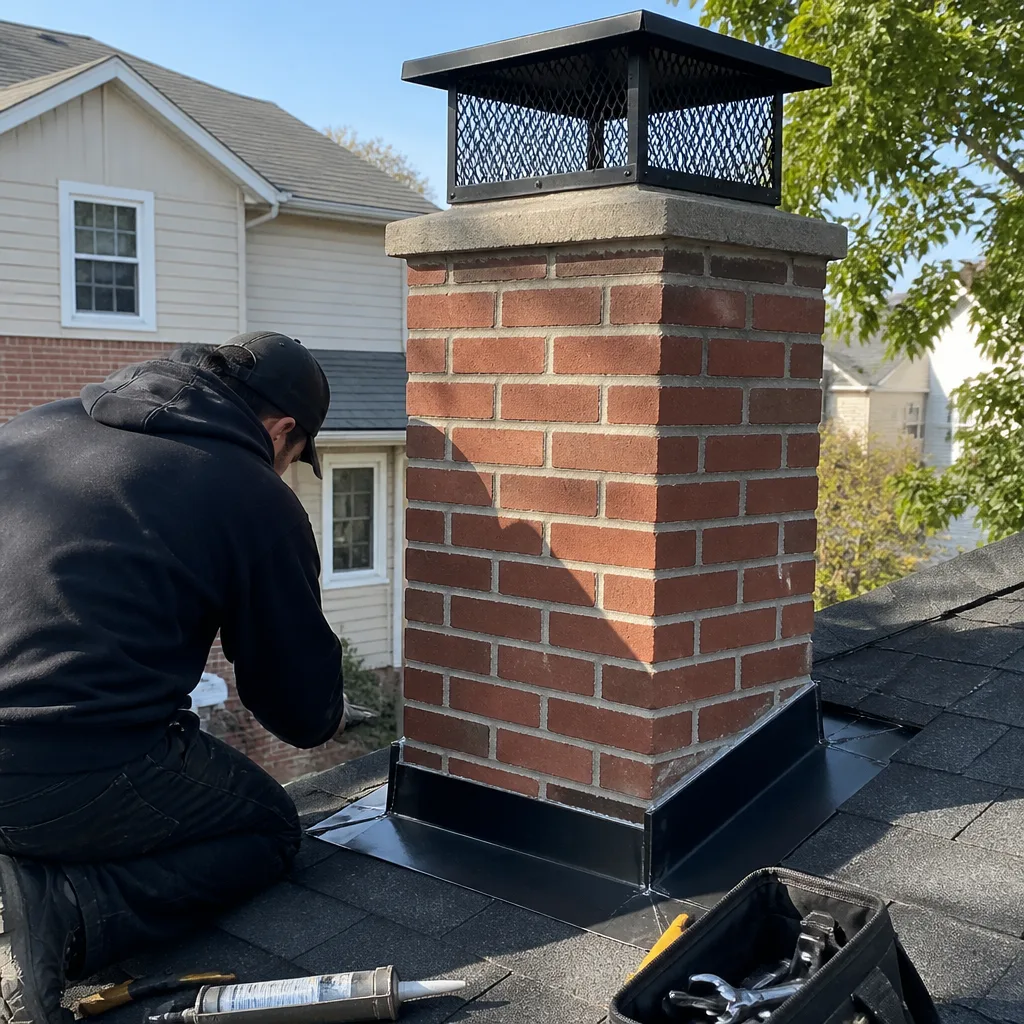 After
AfterChimney Cleaning & Sweep Maintenance Checklist for Queens Homeowners
Most chimney checklists are recycled from insurance pamphlets. They tell you to “inspect the damper” but not what a failing damper actually looks, sounds, or smells like on a cold Queens morning. After 42 years of climbing roofs from Astoria to Bayside, we’ve learned that a checklist only earns its keep if every item is tied to a real consequence - not a generic reminder. This guide gives Queens homeowners the specific failure points we’ve documented in local homes, with plain explanations of what happens when each item is skipped. For Chimney Cleaning Warning Signs: A Queens Homeowner’s Reference Guide and other detailed resources, see our blog. You’ll learn what you can check yourself, what requires a certified sweep with a camera, and how to read the visual and sensory cues that mean trouble.
Quick Answer
Queens homeowners should have their Chimney Cleaning & Sweep services performed annually before the heating season begins, with monthly visual checks during active use from October through April. A proper maintenance checklist covers creosote buildup, damper operation, flue liner condition, crown and cap integrity, and proper draft performance - with Level-2 camera inspection required every 3-5 years or upon any system change. Skip any of these items and you’re risking chimney fire, carbon monoxide intrusion, or water damage that compounds silently in Queens’ freeze-thaw climate.
Table of Contents
- The Queens Heating Season Calendar: Month-by-Month Tasks
- Visual and Sensory Cues: What Your Chimney Is Telling You
- What You Can Check Yourself vs. What Requires a Certified Sweep
- Fuel-Specific Checklists: Gas, Wood, and Original Fireplaces
- The Handoff Checklist for Queens Home Buyers and Sellers
- Common Mistakes to Avoid
- When to Call a Professional
- Frequently Asked Questions
The Queens Heating Season Calendar: Month-by-Month Tasks
Queens runs on a distinct rhythm. October brings the first real cold snap, often followed by a warm week that tricks homeowners into delaying their sweep. By Thanksgiving, every sweep in the five boroughs is booked two weeks out. The calendar below is built from what we’ve seen fail in Queens homes when timing is off.
September: Schedule and Inspect
This is your window. The phone at Hearthstone Chimney Co. home hasn’t started ringing off the hook yet, and you can get a weekday appointment that fits your schedule. Here’s what happens in September:
- Book your annual sweep and Level-1 inspection. If it’s been more than three years since your last camera inspection, upgrade to Level-2.
- Walk the exterior. Look for missing or shifted bricks on the chimney crown, white efflorescence staining (salt leaching from freeze-thaw cycles), and whether your cap is still firmly seated. In Queens, we’ve replaced dozens of caps after summer storms that homeowners never noticed.
- Check the damper. Open it fully, then close it. It should move smoothly and seat completely. If it sticks or won’t seal, note it for the sweep.
- Remove any bird nests or debris from the firebox. Do not light a fire to “burn them out.”
October: First Fire Protocol
Once the sweep clears your system, your first fire is a test, not a celebration. Build it small. Watch for smoke spilling into the room, which indicates draft failure. Listen for odd whistling - that can mean a partial blockage or damaged flue liner. In our experience across Queens neighborhoods from Flushing to Jamaica Estates, the first fire of the season reveals problems that sat dormant all summer.
November through March: Monthly Monitoring
During active heating season, run through this 10-minute check each month:
- Look up the flue from the firebox with a flashlight. You should see smooth masonry or metal liner, not black glazed buildup or flakes of creosote.
- Check the hearth and surrounding floor for cracks or discoloration from heat stress.
- Smell for damp, musty odors when the damper is closed - this means moisture is getting in, and in Queens’ coastal climate, moisture means accelerated liner deterioration.
- Watch your fire’s behavior. A healthy fire draws steadily upward. Smoke that lingers or pulses back into the room is a warning.
April: Shutdown and Documentation
The shoulder month most homeowners skip. Don’t. Close the damper, but first note whether it sealed completely all season. If it didn’t, that’s documented wear to address in September. Take photos of the firebox, damper, and exterior crown. Date them. If you sell in two years, you’ll have a condition timeline.
May through August: Off-Season Repairs
This is when we do our rebuilds, liner replacements, and crown repairs. The masonry cures better in warm, dry weather. Scheduling major work in summer also means no disruption to your heating. We’ve rebuilt crowns in Douglaston and replaced liners in Forest Hills during these months because the homeowners planned ahead.
Visual and Sensory Cues: What Your Chimney Is Telling You
A chimney doesn’t fail silently if you know what to observe. Here are the specific signals we’ve learned to read across four decades of Queens service calls.
The Color of Smoke
Thin, grayish smoke that rises straight up: normal. Thick, brown or black smoke that billows: incomplete combustion, often from green or unseasoned wood, but also from restricted airflow. White or bluish smoke that seems “thin” and dissipates quickly: possible gas leak or flue gas dilution - call a professional before using the system again.
In Queens’ tighter row-house construction, we see more smoke color problems than in suburban homes because the neighboring structure can affect wind patterns and draft. If your smoke behavior changed after a neighbor added an addition or raised their roof, that’s not coincidence.
Draft Behavior
A healthy draft pulls flame and smoke upward immediately upon lighting. If you need to hold a newspaper flame high in the firebox to “prime” the flue for 30 seconds or more, your chimney may be cold-soaked (normal on very cold days) or partially obstructed (not normal). Persistent draft problems in Queens often trace to:
- liner deterioration allowing air leakage
- improper chimney height relative to the roof peak
- negative pressure from modern HVAC systems or exhaust fans
- nests or debris from the prior season
Odor Signatures
Acrid, tar-like smell when the damper is closed: creosote buildup reaching dangerous levels. Musty, damp smell: water intrusion, often from crown cracks or missing cap. Rotten egg or sulfur smell: immediate evacuation and gas company call - do not investigate yourself.
The musty smell deserves particular attention in Queens. Our coastal humidity, combined with freeze-thaw cycling, accelerates water damage. We’ve opened flues in Rockaway homes where the liner looked intact from below but was spalling and porous above the roofline, allowing years of moisture penetration.
Physical Debris
Sandy grit in the firebox: deteriorating mortar or liner. Shiny black flakes: stage-two creosote, which is removable but requires active brushing. Puffy, honeycomb-like deposits: stage-three glazed creosote, which is essentially fuel for chimney fire and demands professional removal with chemical treatment. We’ve pulled five-gallon buckets of this material from Queens chimneys where the homeowner “never thought it looked that bad.”
What You Can Check Yourself vs. What Requires a Certified Sweep
There’s honest work a homeowner can do, and there’s work that requires training, equipment, and insurance. The line is clear once you understand what’s at stake.
Homeowner-Appropriate Checks
These tasks carry no safety risk and require no special tools:
- Damper operation. Open, close, observe. Note sticking, grinding, or incomplete sealing.
- Firebox visual inspection. Look for cracks in firebrick, deteriorating mortar joints, and rust on any metal components.
- Exterior ground-level observation. Binoculars help. Check for missing bricks, leaning, vegetation growth (roots mean water), and cap position.
- Smoke and draft behavior during fires. Document what you see. Photos with timestamps help professionals diagnose.
- Carbon monoxide detector function. Test monthly. Replace batteries annually. Replace the unit itself every 5-7 years per manufacturer.
Certified Sweep Required
These tasks involve genuine hazard or require specialized equipment:
- Level-2 camera inspection. A video scope examines the full flue liner, smoke chamber, and accessible portions of the exterior. In Queens, we document this with photos you receive, plus a plain-English verdict on what we found. No camera, no certainty.
- Creosote removal beyond light soot. Stage-two and stage-three creosote require rotary brushes, chemical treatments, or in severe cases, mechanical removal. The risk of chimney fire from incomplete cleaning is real and documented.
- Liner evaluation and replacement. A damaged liner can allow flue gases into wall cavities. Only camera inspection and proper sizing calculations determine liner condition and replacement needs. We install DuraFlex and HeatShield liners sized to your appliance and flue.
- Crown, cap, and flashing repair. Roof work at height with proper materials. We’ve seen homeowner caulk jobs fail in one Queens winter because the wrong product was used on freeze-thaw cycling masonry.
- Structural assessment. Leaning, significant cracking, or spalling brickwork requires engineering judgment about stability and repair scope.
The safety caveat: chimney flues contain creosote that is actively combustible. A spark during amateur cleaning can ignite it. The National Fire Protection Association Standard 211 requires annual inspection by a qualified professional for a reason. We’re not discouraging homeowner awareness. We’re distinguishing awareness from intervention.
Fuel-Specific Checklists: Gas, Wood, and Original Fireplaces
Queens housing stock spans a century, and so do its heating systems. The checklist that serves a 1920s Tudor with an original masonry fireplace differs materially from one for a 1980s ranch with a gas insert.
Original Masonry Fireplaces (Pre-1960s Common)
These systems were built for coal or seasoned hardwood, not the manufactured logs and pressure-treated scrap that sometimes gets burned today. Their flues are often unlined or lined with clay tile that has deteriorated over decades.
Annual sweep: essential. The large firebox and throat design tend to accumulate creosote in the smoke chamber, which is invisible from below without a camera. For a full breakdown of the process, read The Complete Guide to Chimney Cleaning in Queens. We’ve found smoke chambers in Queens homes that were 50% blocked by hardened creosote, with the homeowner unaware because the fire “still seemed to draw okay.”
Check for: deteriorating mortar in the firebox (refractory mortar, not standard Type N); heat-related cracks in the hearth extension; proper clearance to combustibles, which may have been compromised by prior owners’ modifications.
Wood Stoves and Inserts
These burn hotter and more efficiently than open fireplaces, but they place concentrated heat stress on the liner and require precise installation clearances.
Check the connector pipe: it should be securely attached, with no visible rust or separation at joints. The door gasket should seal tightly - a dollar bill inserted and pulled should meet resistance. In Queens, we see gasket failure accelerate in winter when homeowners slam doors against cold metal.
Ash removal: weekly during heavy use, but leave an inch of ash bed for insulation. Dispose of ashes in a metal container with a tight lid, stored outside on concrete, never on a wood deck. We’ve responded to exterior fires from ash containers placed against vinyl siding.
Gas Fireplaces and Inserts
The checklist here is shorter but no less important, because the hazards are less obvious. Gas burns clean, so there’s no creosote. But the liner still deteriorates from condensation and acid byproducts, and the combustion system itself can fail.
Annual inspection should include: burner and pilot assembly cleaning; thermocouple and thermopile testing; glass panel seal inspection; ventilation system verification. In Queens, we service gas inserts with Fireplace Services in Queens that includes combustion analysis to verify safe CO levels.
Never assume a gas fireplace is “maintenance-free.” The ceramic logs must be positioned exactly per manufacturer specification. We’ve found logs shifted by cleaning crews or curious grandchildren, causing flame impingement on the firebox and premature failure.
The Handoff Checklist for Queens Home Buyers and Sellers
Real estate transactions in Queens move fast, and chimney condition is often an afterthought until the inspection report flags it. A documented handoff protects both parties and prevents closing delays.
For Sellers: Pre-Listing Documentation
Before listing, commission a Level-2 inspection with full photo documentation. This is not the buyer’s burden to discover. The report becomes a disclosure asset: either the system is sound and verified, or you address issues on your timeline rather than under contract pressure.
Provide: dated inspection report with photos; records of any sweeps, repairs, or liner work from your ownership; manufacturer documentation for any inserts or stoves; permit records for modifications (Queens requires permits for liner replacement and structural repair).
For Buyers: Verification Before Closing
Do not accept a general home inspector’s chimney observation as sufficient. Home inspectors are valuable generalists, but they do not clean or camera-inspect chimneys. We’ve been called to Queens homes two months after closing where the home inspector noted “chimney appears serviceable” and the flue liner was fractured at the first joint.
Require: a current Level-2 inspection by a certified chimney sweep; photo documentation of the full flue, smoke chamber, and exterior; written estimate for any recommended work, with prioritization of safety items versus maintenance items.
The Hearthstone Documentation Standard
When we perform pre-sale inspections in Queens, we deliver: dated photos of every accessible component; a plain-English verdict with no jargon; clear separation of “must do now,” “plan to do within two years,” and “monitor”; and a written estimate with no-hassle upfront pricing. Sellers can share this directly. Buyers can verify it with us by phone. The 90-Day Done Right Promise applies to any work we perform - in writing, no arguing.
Common Mistakes to Avoid
- Burning green or unseasoned wood. Wood should be split, stacked, and dried 6-12 months minimum. Moisture content above 25% creates accelerated creosote buildup. In Queens, we’ve seen homeowners burn construction lumber or pallets treated with chemicals - a fire hazard and toxic release.
- Skipping the shoulder-month inspection. September feels too early until it’s November 15th and no sweep can see you for three weeks. The homeowners who plan ahead get the thorough appointment, not the rushed one.
- Trusting a “chimney sweep” with no certification. CSIA certification is the baseline. Ask for it. We’ve corrected work by unqualified operators in Queens who left more debris in the flue than they removed.
- Ignoring a smoking fireplace “just this once.” Intermittent smoke spillage means a developing problem - draft imbalance, partial obstruction, or liner damage. It will not improve with time.
- DIY liner repair with hardware-store products. HeatShield and similar professional-grade refractory materials require specific surface prep and application technique. A failed DIY repair often costs more to remove and redo than original professional installation.
- Neglecting the crown while focusing on the firebox. The crown is your chimney’s roof. Water enters through crown cracks, freezes, expands, and destroys masonry from the top down. In Queens’ climate, this is the most common path to major rebuilds.
- Assuming gas means zero maintenance. Gas fireplaces still require ventilation verification, combustion analysis, and component inspection. Carbon monoxide from a failed gas fireplace is odorless and invisible.
When to Call a Professional
Call a certified sweep immediately if you observe: smoke entering the room during normal fire operation; visible cracks or spalling in the firebox or exterior masonry; a strong odor of gas or persistent musty smell; debris or animal sounds from the flue; or any change in performance after a storm, earthquake, or nearby construction.
Call before the heating season if: your last inspection was more than 12 months ago; you’ve changed fuel types or installed a new appliance; you’ve purchased the home and have no documentation of prior service; or you’re preparing to sell and want documented condition.
Chimney Cleaning & Sweep in Queens from Hearthstone Chimney Co. includes Level-1 or Level-2 inspection, photo documentation, and a written verdict you can understand. We also handle Chimney Repair in Queens for crowns, liners, and structural issues. Free estimates are available - call (516) 531-6315. A live person answers, 24 hours a day, every day.
Frequently Asked Questions
A standard Level-1 sweep and inspection in Queens typically runs $200-$350, while a Level-2 inspection with camera documentation ranges $350-$550 depending on accessibility and system complexity. Hearthstone offers an $89 Seasonal Tune-Up for qualifying systems, and every job comes with no-hassle upfront pricing - the number on the estimate is the number on the invoice. Call (516) 531-6315 for an exact quote; estimates are free.
The National Fire Protection Association recommends annual inspection, with sweeping frequency determined by use and fuel type. Visit our more guides & resources for additional maintenance planning tools. A wood-burning fireplace used regularly needs annual sweeping. Gas systems need annual inspection but may not require sweeping unless debris enters the flue. In Queens’ coastal climate with accelerated freeze-thaw cycling, we advise not exceeding 12 months between professional inspections regardless of fuel type.
You need a new liner only if inspection documents that the existing one is damaged, improperly sized, or missing entirely. We recommend nothing without camera evidence you can see for yourself. In Queens homes built before 1940, unlined flues are common and require modern stainless steel or relining for safe operation. A damaged clay tile liner may be repairable with HeatShield refractory sealant, or may require full DuraFlex replacement - the verdict depends on what the camera shows.
Skipped maintenance leads to three predictable outcomes: chimney fire from ignited creosote (over 25,000 annually in the U.S.); carbon monoxide intrusion through cracked liners or blocked flues; and water damage that compounds silently until masonry requires rebuild rather than repair. In Queens, we’ve seen all three. The cost of prevention is always lower than the cost of remediation. Call (516) 531-6315 to schedule before problems develop.
You can perform the homeowner checks outlined in this guide, but we do not recommend DIY sweeping. Proper creosote removal requires rotary brushes sized to your flue, industrial vacuums with HEPA filtration, and the training to recognize liner damage that a homeowner cannot see from below. The risk of incomplete cleaning, personal injury on the roof, or igniting creosote during the process outweighs any savings. This is skilled trade work, not a weekend project.
Level-1 is a visual examination of readily accessible portions of the chimney exterior, interior, and connecting appliances - appropriate for annual maintenance of systems with no changes. Level-2 includes everything in Level-1 plus camera inspection of the full flue liner, smoke chamber, and accessible attic and crawl space areas - required upon sale or transfer of property, after chimney fire or seismic event, or when changing fuel type or appliance. In Queens real estate transactions, Level-2 is the prudent standard.
The Bottom Line
A chimney maintenance checklist is only as good as the consequences it prevents. For Queens homeowners, that means calibrating tasks to our heating season, reading the specific visual and sensory cues that indicate trouble, understanding the limits of DIY observation, and matching your checklist to your fuel type and housing stock. Document everything, especially at property transfer. The homeowners who stay ahead of maintenance avoid the emergency calls, the closing delays, and the major rebuilds that come from deferred care. Done right - and we stand behind it.
Written by Russell Haines, Owner at Hearthstone Chimney Co., serving Queens since 2014.