
Last updated September 10, 2026
Level 1 sweep and inspection to the NFPA 211 annual standard - flue, crown, cap, and flashing checked and photographed
Chimney sweep logs do not sweep chimneys. They loosen some creosote - which then falls where a brush and vacuum still have to collect it.
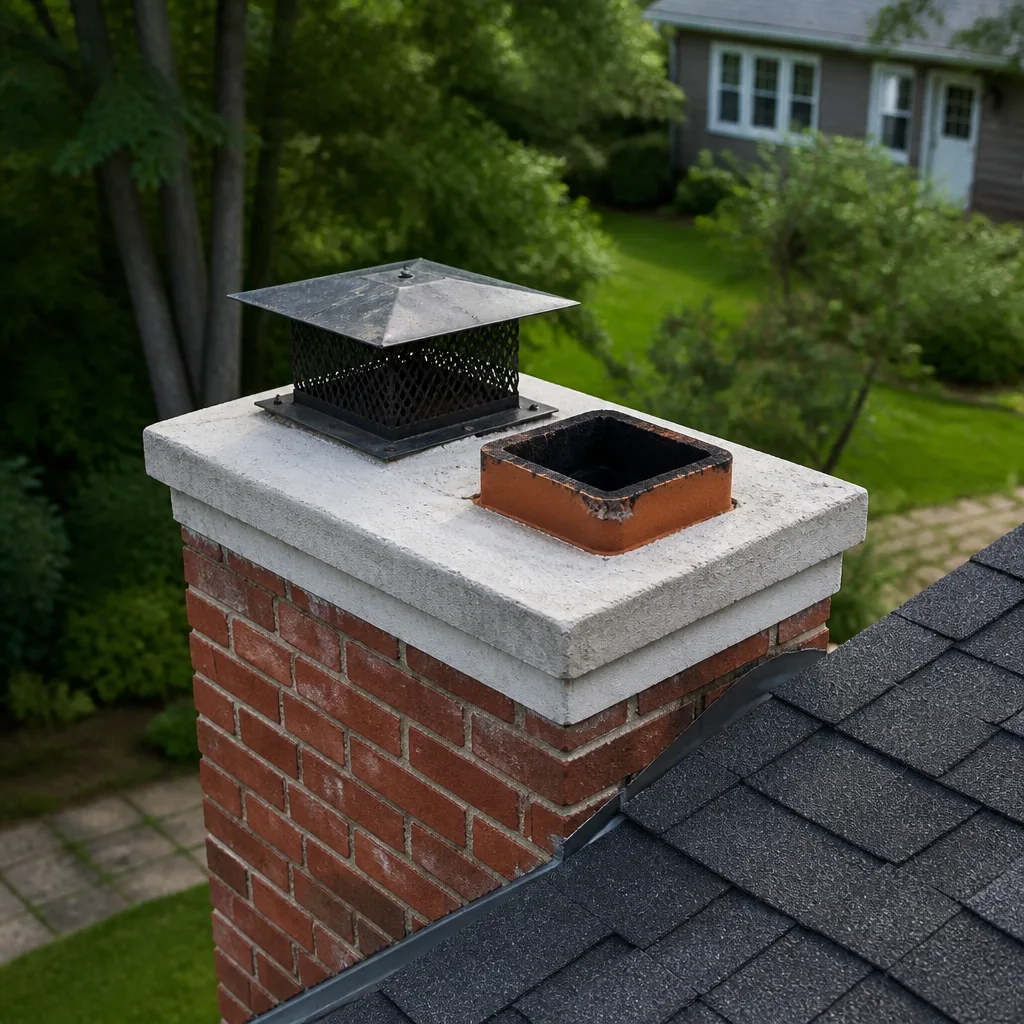
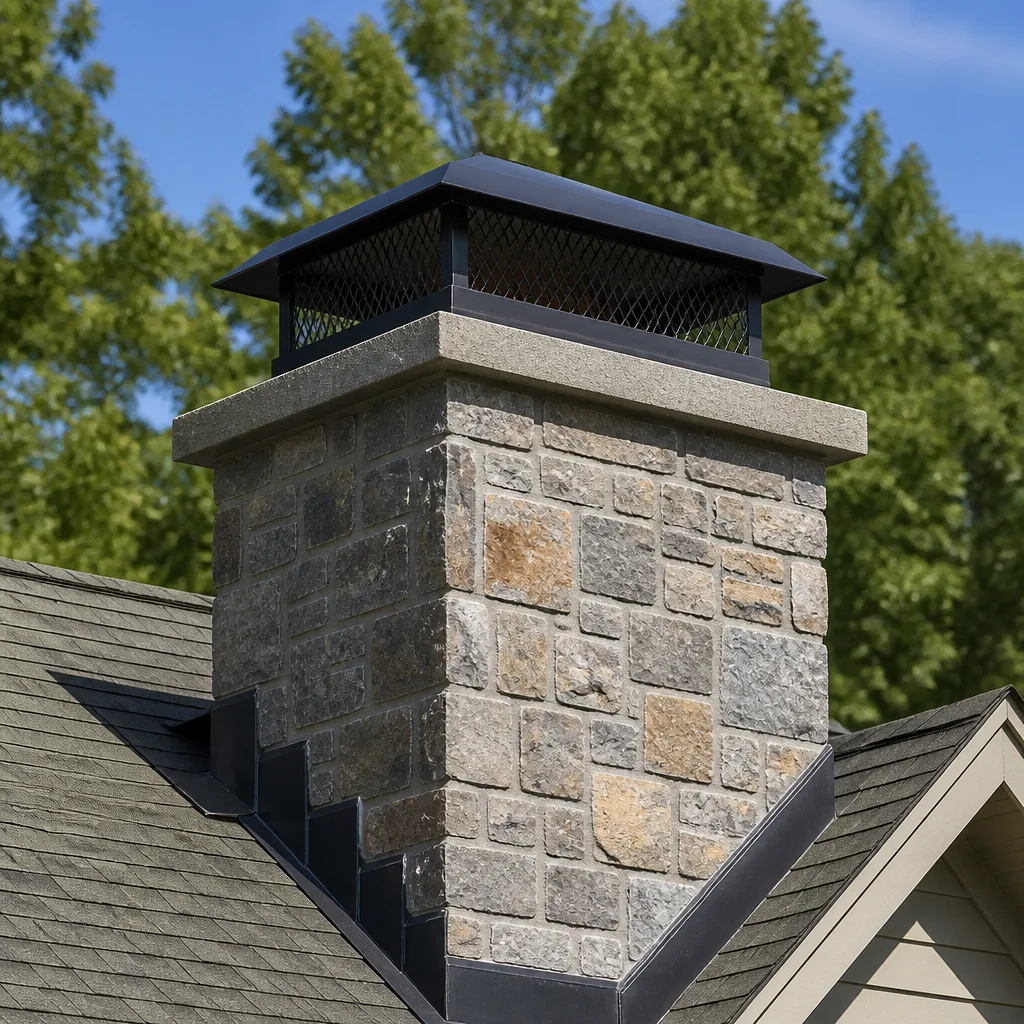
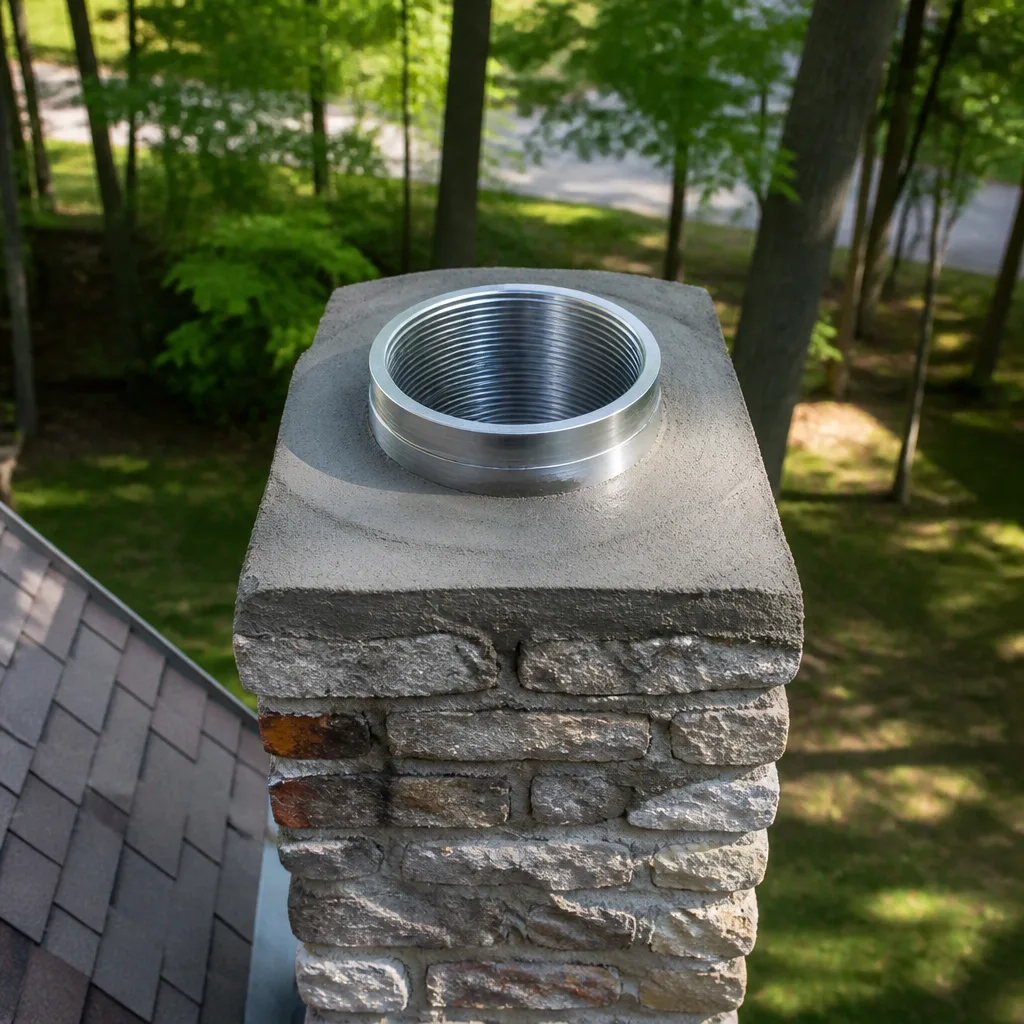
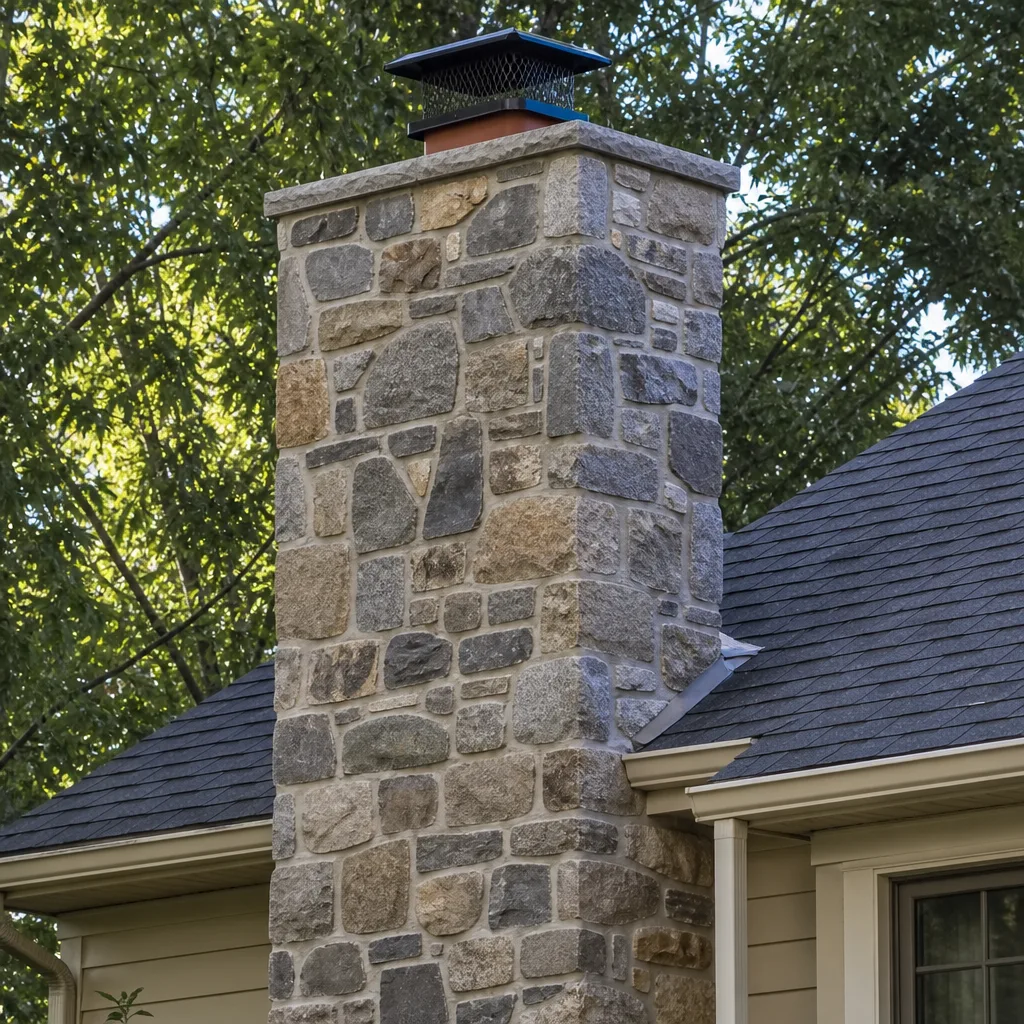
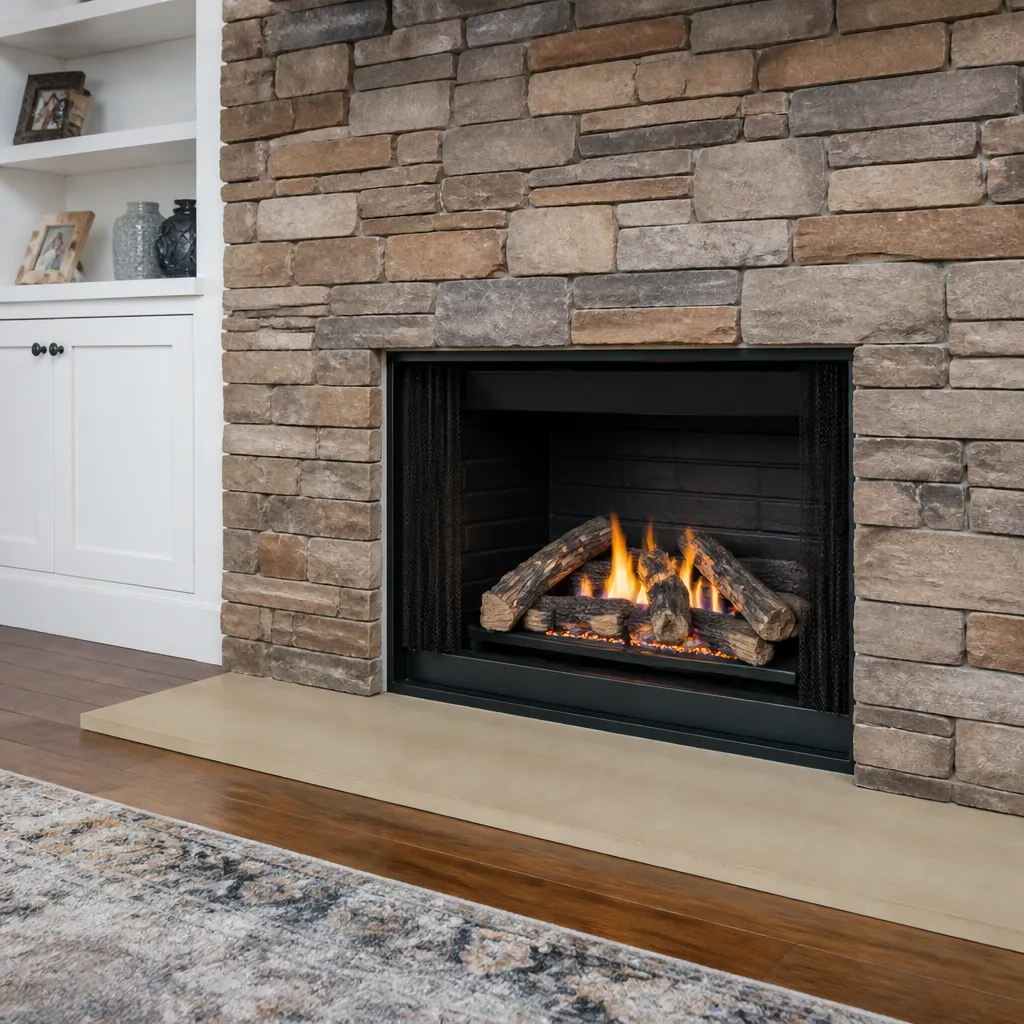
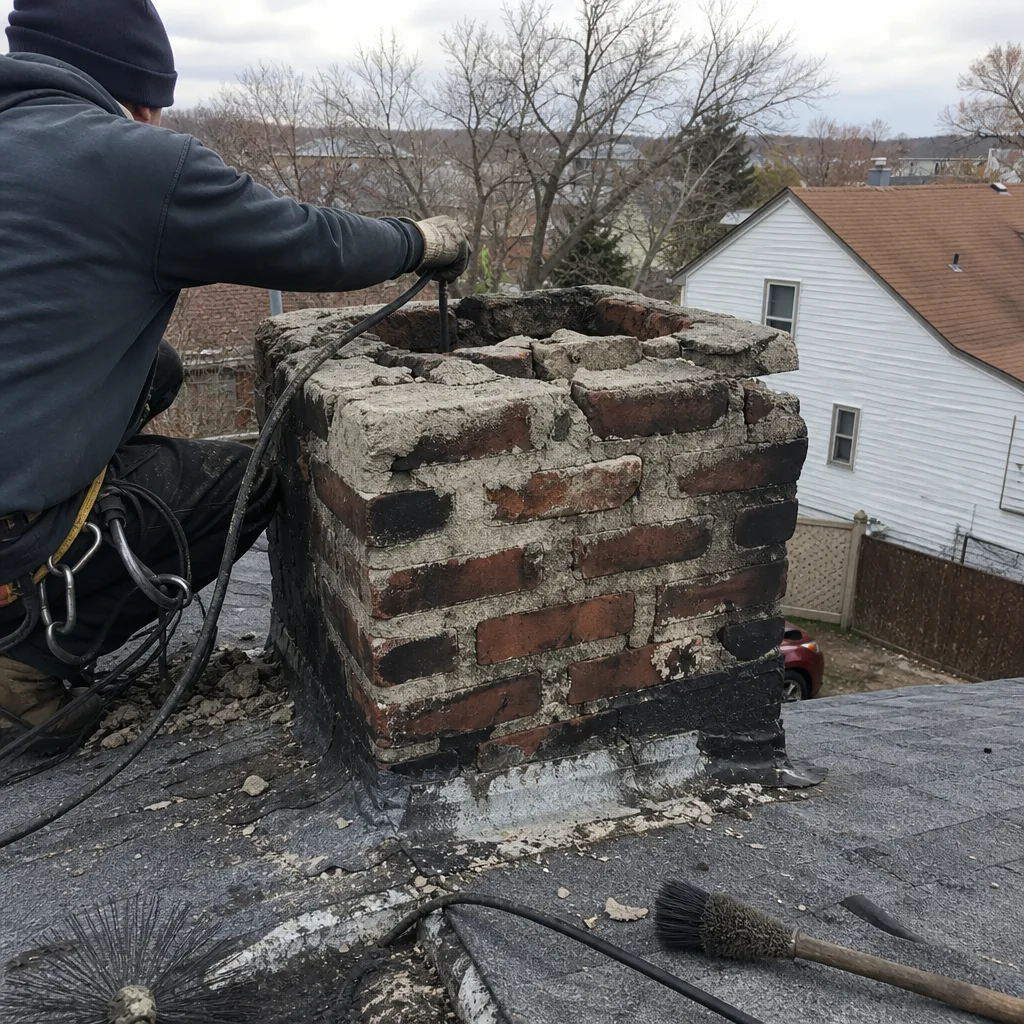 Before
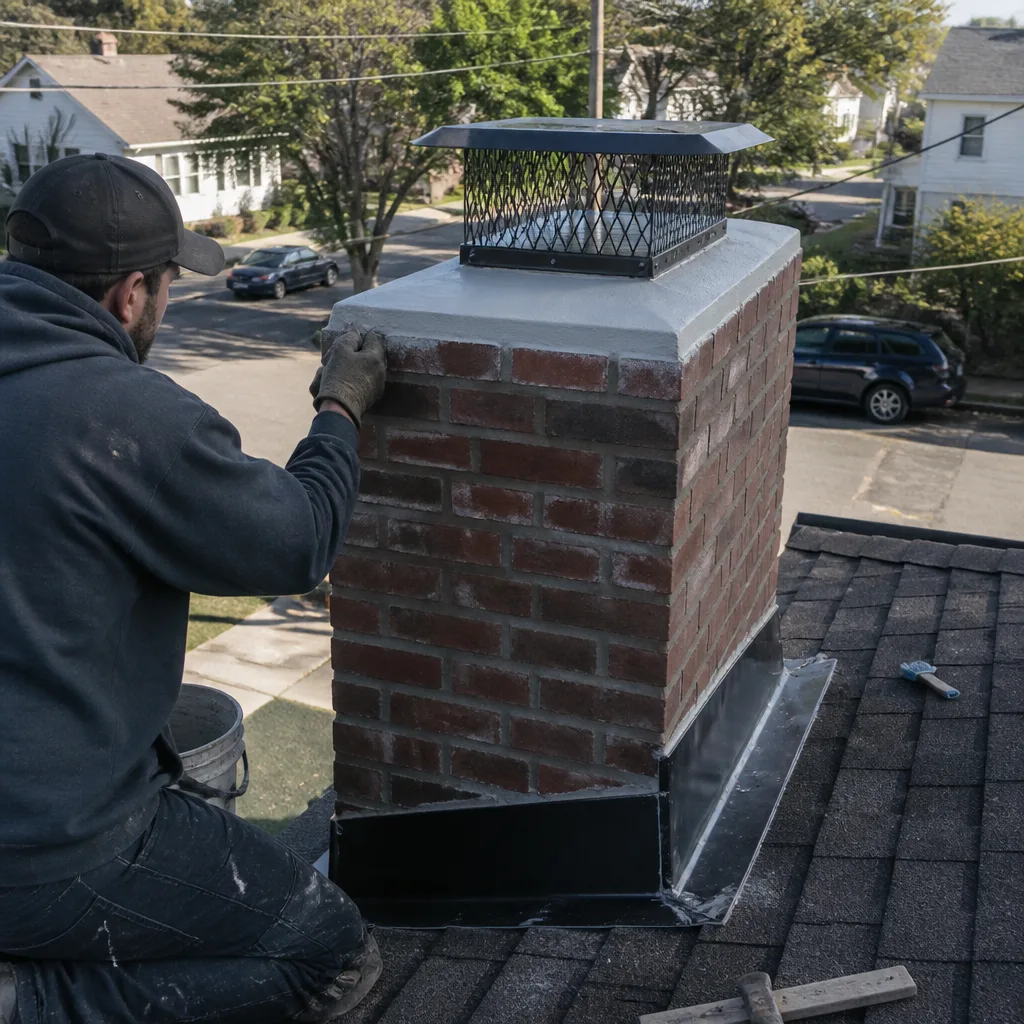 After
After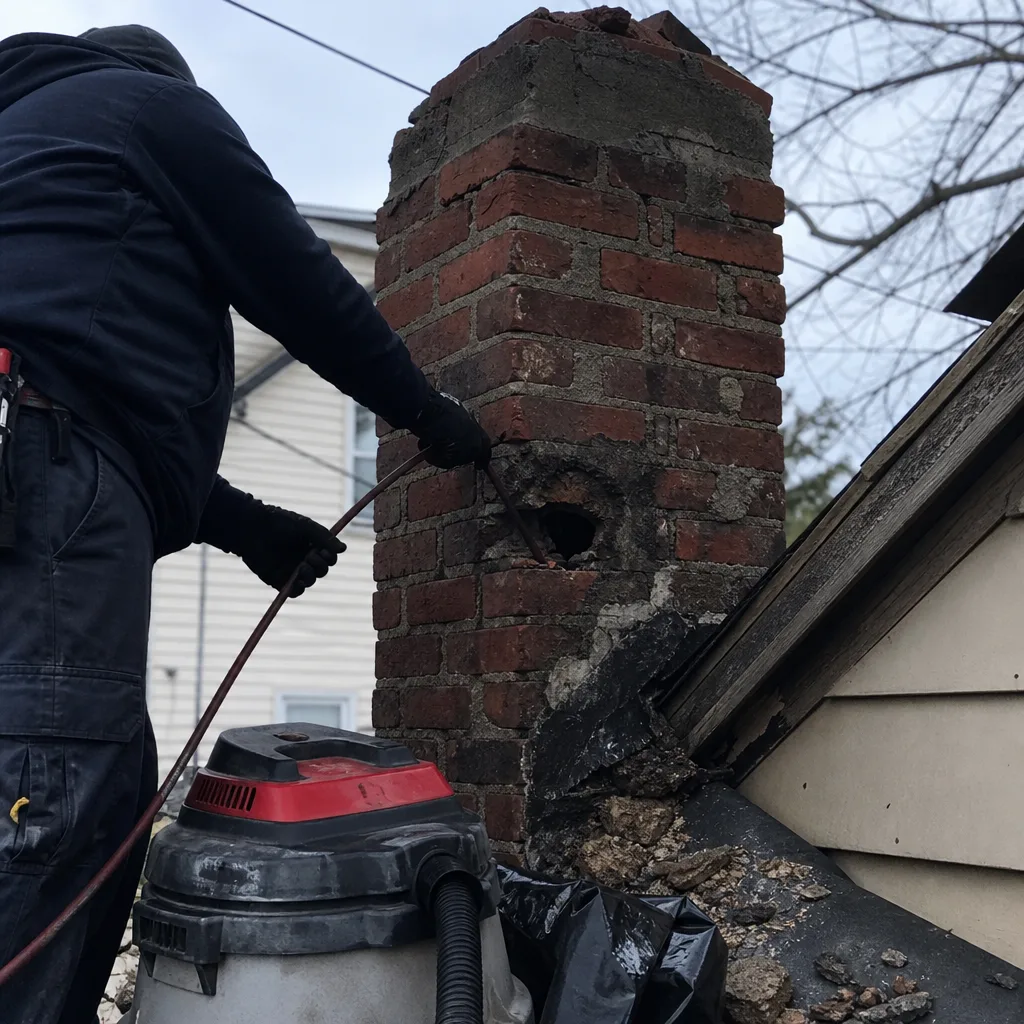 Before
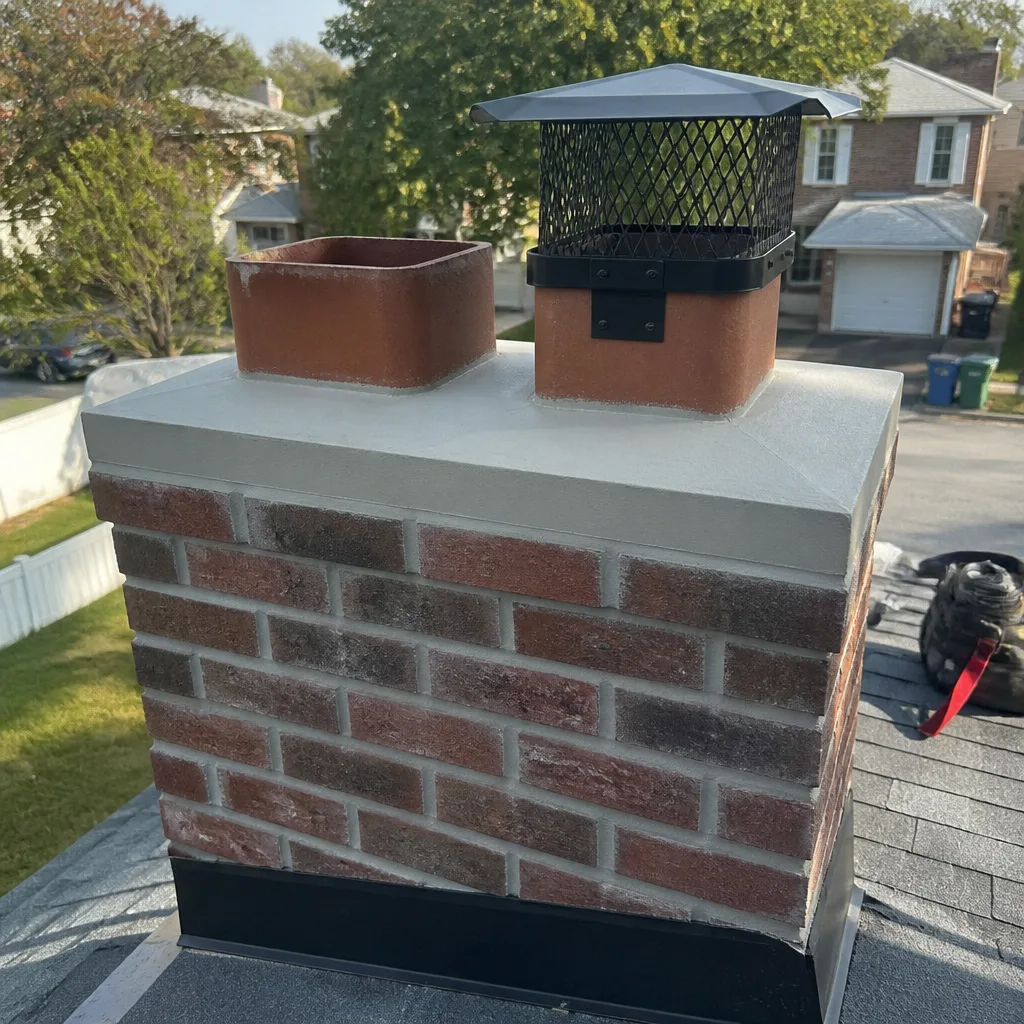 After
After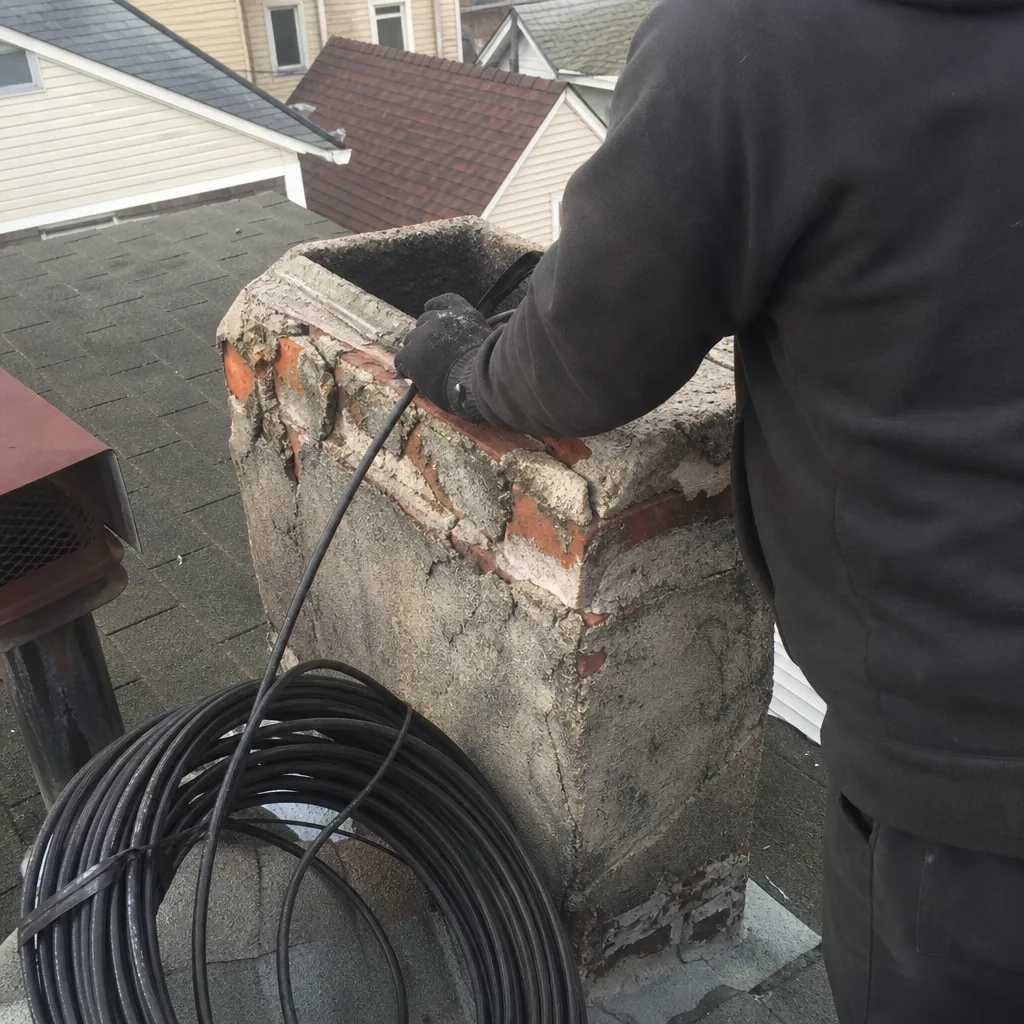 Before
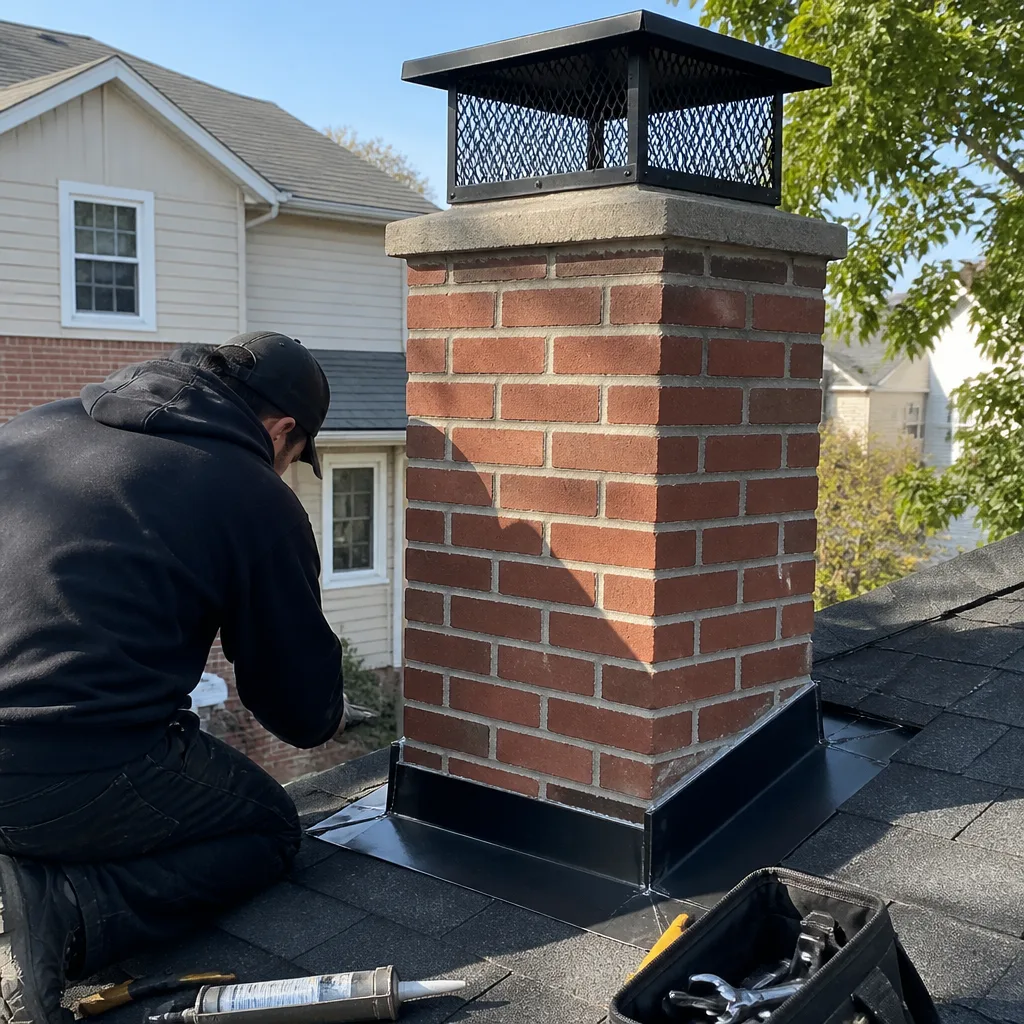 After
AfterDIY vs Professional Chimney Cleaning: The Queens Homeowner’s Decision Guide
Every autumn, hardware stores across Queens stack their aisles with $40 chimney brush kits, and every year we get calls from homeowners who bought one, used it, and still don’t know if their chimney is safe. For those considering professional help, our How to Hire a Chimney Cleaning Contractor in Queens: A Step-by-Step Guide explains what to look for. Here’s the uncomfortable truth we’ve learned in 42 years: a brush will move soot, but it cannot tell you if the flue liner behind that soot has a hairline crack that could let carbon monoxide into your bedroom. In Queens’ housing stock, where pre-war brick, 1960s split-levels, and 1980s townhouses sit shoulder to shoulder, the real question isn’t whether you can clean your chimney yourself. It’s whether cleaning is the job that actually needs doing.
Quick Answer
Queens homeowners with a single-story fireplace, light seasonal use, and no visible damage can perform basic soot removal with a consumer brush kit. However, professional chimney cleaning in Queens includes a Level-2 camera inspection that reveals hidden flue damage, liner deterioration, and creosote buildup patterns that DIY methods cannot detect. For homes built before 1990, with gas conversions, or with any history of water infiltration, professional evaluation is the only path to documented safety.
Table of Contents
- What DIY Chimney Cleaning Actually Accomplishes
- Queens Housing Stock: The Hidden Risks DIY Can’t See
- Equipment Reality: What Your $40 Kit Buys vs. What a Sweep Carries
- Insurance, Liability, and the Documentation Gap
- The Three-Question Decision Tree for Queens Homeowners
- Cost Comparison: DIY Expenses vs. Professional Service
- Common Mistakes to Avoid
- When to Call a Professional
- Frequently Asked Questions
- The Bottom Line
What DIY Chimney Cleaning Actually Accomplishes
A competent homeowner with a basic brush-and-rod kit can remove loose, powdery soot from a straight, masonry flue. We’ve seen it done adequately in ranch-style homes in Bellerose and fresh-built townhouses in Howard Beach where the fireplace sees ten fires a season and the flue is in good structural condition. The process is mechanically simple: attach brush to rod, insert from top or bottom, scrub with up-and-down motion, vacuum debris. If the soot is dry and the flue is sound, the chimney will look cleaner and draft somewhat better.
What DIY cleaning does not accomplish:
- It does not inspect the flue liner for cracks, spalling, or deterioration
- It does not measure creosote buildup thickness or identify glazed (stage 3) creosote that requires chemical treatment
- It does not evaluate the chimney crown, cap, or flashing for water intrusion points
- It does not assess the damper, smoke chamber, or firebox for damage
- It does not produce documentation for insurance, real estate transactions, or warranty claims
The gap between “looks cleaner” and “is safe” is where most DIY efforts stall. In our experience across Queens, roughly one in three chimneys that appear fine from the firebox have concealed damage visible only with a camera. We’ve found cracked flue tiles in Forest Hills colonials that had been “cleaned” annually by the homeowner for fifteen years. The cleaning was thorough. The danger was invisible.
For homeowners determined to handle basic maintenance themselves, here is the limited scope where DIY remains within reason:
- Annual soot removal only for masonry fireplaces with no history of chimney fires, no visible cracks, and no changes to appliance or fuel type
- Firebox ash cleanup and damper lubrication using appropriate tools and ash-vacuum (never household vacuum)
- Visual inspection from the firebox opening using a bright flashlight to spot obvious damage to brick, mortar, or damper assembly
- Chimney cap debris removal from ground level or secure ladder, never from roof edge
Anything beyond this scope enters territory where lack of information becomes a genuine hazard. And in Queens, where building ages range from 1920s brick to 2020s construction, assuming your flue is “standard” is itself a risk.
Queens Housing Stock: The Hidden Risks DIY Can’t See
Queens presents a unique challenge for chimney assessment because no two neighborhoods share the same construction era, code history, or common failure modes. A sweep working in Astoria faces different conditions than one in Jamaica Estates or the Rockaways. Homeowners performing their own cleaning rarely account for these variables.
Pre-1980 homes with asbestos-wrapped flues. In neighborhoods like Flushing, Kew Gardens, and parts of Woodside, chimneys built before modern liner standards often contain transite (asbestos-cement) flue pipes or parged clay liners with asbestos-containing refractory mortar. Disturbing these materials during aggressive brushing can release fibers. Professional sweeps test for asbestos before mechanical cleaning and use HEPA containment when indicated. A homeowner with a $40 brush has no protocol for this scenario.
Shared-flue systems. Queens’ older multifamily conversions and attached housing sometimes share a single flue between fireplace and furnace, or between units. This was legal under earlier codes but violates current standards. A homeowner cleaning “their” flue may be unaware that exhaust from a basement appliance is entering the same channel. Camera inspection reveals these configurations; a brush does not.
Gas conversions with orphan liners. Thousands of Queens homeowners converted from oil to gas heating in recent decades, leaving original chimney liners improperly sized for lower-temperature exhaust. The resulting condensation accelerates liner deterioration. The fireplace above may appear normal while the liner below is corroding through. We’ve replaced liners in Bayside and Douglaston homes where the fireplace flue looked pristine and the heating flue was paper-thin.
Coastal moisture exposure. Homes near Jamaica Bay, the Rockaways, and Broad Channel face accelerated spalling from salt-laden wind driven into chimney crowns and mortar joints. A DIY cleaning in March misses the freeze-thaw damage that December’s inspection would have caught. Professional sweeps in Queens document seasonal progression; homeowners cleaning their own chimneys rarely establish baseline conditions.
Post-Sandy water infiltration. Flooding from Hurricane Sandy compromised chimney foundations and interior flue structures across southeastern Queens. Even homes that appeared to dry properly may have shifted crowns, separated liner sections, or rusted damper assemblies. These defects don’t affect soot removal but directly impact safety. Camera inspection is the only reliable detection method.
The pattern across all these scenarios is identical: the chimney functions well enough to draw, the soot comes out with brushing, and the homeowner concludes the system is sound. Meanwhile, a cracked flue tile, deteriorated mortar joint, or corroded liner section continues to degrade. Carbon monoxide infiltration, structural fire, or catastrophic liner collapse follow months or years later.
Equipment Reality: What Your $40 Kit Buys vs. What a Sweep Carries
The hardware store chimney brush kit contains a polypropylene brush head, three to six flexible rods, and sometimes a rudimentary ash vacuum. For a straight, short, masonry flue with light soot, this is not worthless equipment. It is simply incomplete equipment.
Here is what a professional sweep brings to a Queens home, and why each item matters:
| Equipment | Consumer Kit | Professional Setup | Why the Gap Matters |
|---|---|---|---|
| Brush system | Single polypropylene brush, one diameter | Multiple brush materials (poly, wire, flat wire) sized to flue; rotary cleaning systems for glazed creosote | Wrong brush material can damage liner; wrong diameter leaves deposits; rotary systems remove stage 3 creosote that brushing alone cannot |
| Inspection capability | Flashlight from firebox | Level-2 camera inspection with articulating head, monitor, and recording | Camera reaches full flue length, documents condition, reveals cracks and gaps invisible from below |
| Debris containment | Drop cloth, household vacuum | HEPA vacuum, negative air machine, sealed containment for hazardous materials | Fine particulate and potential asbestos require controlled extraction; household vacuums redistribute particles |
| Combustion analysis | None | Digital analyzer measuring CO, O2, draft pressure | Verifies appliance operating safely after service; detects spillage or draft failure |
| Liner assessment tools | None | Video borescope, laser measurement, pull-through sizing equipment | Determines if liner is correctly sized, intact, and properly connected |
| Repair capability | None | HeatShield refractory repair system, Gelco stainless liner components, Olympia Chimney relining materials | Defects found can be corrected same visit; no second contractor, no delay, no additional scheduling |
The total investment in professional equipment runs into the tens of thousands of dollars. More importantly, it represents diagnostic capability that transforms cleaning from a cosmetic exercise into a safety evaluation. A Queens homeowner buying a brush kit is purchasing one tool for one task. A professional sweep is operating a mobile laboratory that happens to include brushes.
There is also the matter of access. Consumer rods reach approximately 12 feet. Many Queens homes have chimney runs of 20 to 30 feet, particularly in two-story Colonials and raised ranches common in Fresh Meadows and Hollis Hills. Professional sweeps carry rods to 40 feet and use rotary systems that clean more thoroughly with less mechanical stress on the flue. The homeowner who forces an inadequate rod system risks brush separation in the flue, a problem that requires professional retrieval and sometimes dismantling of the chimney structure.
Insurance, Liability, and the Documentation Gap
This is the conversation homeowners least want to have and most need to hear. If a chimney fire or carbon monoxide incident follows DIY cleaning, your insurance company will ask for documentation of professional maintenance. The answer “I cleaned it myself with a brush from Home Depot” does not satisfy that request.
Homeowner’s insurance policies typically contain language requiring “reasonable maintenance” and may specifically reference NFPA 211 standards for chimney inspection frequency. NFPA 211 recommends annual inspection by a qualified professional. Cleaning without inspection does not meet this standard. In disputes following chimney fires, insurers have denied claims where the homeowner could not produce professional inspection records, arguing that undetected defects constituted failure to maintain.
The documentation gap extends beyond insurance to real estate transactions. Queens homeowners selling property are increasingly asked for chimney inspection certificates. Buyers’ inspectors flag uncertified systems. A DIY cleaning history, even if performed competently, provides no transferable documentation. Professional service from a certified sweep generates a written report with photos, measurements, and condition assessment that satisfies lender requirements and protects seller disclosure.
There is also liability exposure to tenants and guests. Queens has a significant rental market, from basement apartments in Corona to two-family homes in Middle Village. Landlords who perform their own chimney maintenance assume full liability for any resulting incident. Professional service with documentation shifts that liability to the service provider’s insurance and establishes due diligence.
We are not suggesting that DIY cleaning voids insurance automatically or that every self-maintained chimney leads to litigation. We are stating that in 42 years of service, we have seen claims denied and sales delayed for lack of professional documentation. The brush kit saves money today. It may cost substantially more tomorrow.
The Three-Question Decision Tree for Queens Homeowners
After thousands of inspections across Queens, we’ve distilled the DIY-or-professional question to three decisive factors. Answer honestly. The combination determines your path.
Question 1: How old is your home, and has the chimney ever had a professional camera inspection?
If your home was built before 1990 and has never had a Level-2 camera inspection, DIY cleaning is premature. You do not know what you are cleaning around, past, or into. Asbestos-wrapped flues, unlined brick, and deteriorated parging are common in pre-1990 Queens construction. Schedule professional inspection first. Clean afterward if appropriate.
If your home was built after 1990 and has had documented professional inspection within five years, proceed to Question 2.
Question 2: What fuel type do you burn, and how often?
Seasoned hardwood, 20 fires or fewer per season, no smoke-back incidents: limited DIY cleaning may suffice for soot removal between professional inspections. We still recommend professional evaluation every 2-3 years minimum.
Any gas appliance, pellet stove, or frequent wood burner (40+ fires): professional service only. Gas requires combustion analysis. Pellet systems have specialized venting that consumer brushes damage. Frequent wood burning produces creosote quantities and patterns that demand professional assessment.
Question 3: Are you physically equipped and insured for roof work?
Top-down cleaning from the roof is often more effective than bottom-up from the firebox. It requires secure ladder placement on potentially uneven Queens sidewalks, comfortable work on pitched surfaces common in Forest Hills and Rego Park, and appropriate fall protection. If you are not comfortable on a roof in November weather, you are not equipped for safe DIY chimney maintenance. Bottom-up cleaning with inadequate rod length leaves the upper flue untouched, where the most dangerous creosote deposits often form.
Decision outcomes:
- All three questions favor DIY: Basic soot removal is within your capability. Schedule professional inspection within 24 months.
- Any question indicates professional need: Call for service. The cost of inspection is modest compared to the information it provides.
- Uncertain on any answer: Default to professional. Uncertainty about chimney condition is itself a risk indicator.
Cost Comparison: DIY Expenses vs. Professional Service
DIY chimney cleaning appears inexpensive until all costs are accounted. Here is the honest accounting for a Queens homeowner.
DIY direct costs:
- Basic brush-and-rod kit: $35-$75
- Extension rods for taller flues: $25-$40
- HEPA ash vacuum (household vacuum is unsafe): $80-$150
- Drop cloths, protective gear, ladder stabilizer: $50-$100
- Replacement brush heads (annual): $15-$25
First-year DIY total: $205-$390. Recurring annual cost: $50-$100 for consumables and equipment replacement.
Professional chimney cleaning and inspection in Queens:
- Level-1 cleaning with basic visual inspection: $150-$250
- Level-2 cleaning with camera inspection and written report: $250-$400
- Seasonal tune-up special (Hearthstone Chimney Co. standing offer): $89
The professional service includes what DIY cannot purchase: documented condition assessment, insurance-recognized reporting, detection of defects before they become emergencies, and correction capability if problems are found. The $89 seasonal tune-up, available annually, costs less than the first-year DIY equipment outlay and provides incomparably more information.
Hidden costs of DIY include: emergency service calls for brush separation in flue ($300-$600); water damage from undetected crown cracks ($1,500-$5,000); liner replacement after delayed deterioration detection ($2,500-$7,000); and the unquantifiable cost of a chimney fire or carbon monoxide incident that inspection would have prevented.
For Queens homeowners eligible for the Hearthstone Chimney Co. home senior and veteran discount, professional service carries an additional 5% reduction. The gap between DIY and professional narrows further.
Common Mistakes to Avoid
- Using a household vacuum for ash cleanup. Standard vacuums lack HEPA filtration and can redistribute fine particulate through the home or ignite hot embers hidden in ash. In Queens’ older homes with compromised window seals, this redistribution is particularly problematic.
- Brushing a gas flue with wire brushes. Gas appliance venting uses different materials than masonry fireplaces. Wire brushes damage B-vent and flexible liner systems common in conversions. We’ve replaced gas flues in Jackson Heights and Elmhurst where aggressive DIY brushing perforated the liner.
- Assuming no smell means no problem. Carbon monoxide is odorless. A chimney can draft adequately while leaking lethal gas through a cracked flue tile. Queens’ tightly constructed post-1980 homes trap this gas more effectively than drafty older construction.
- Cleaning from the bottom only. Rod length limitations leave the upper third of many Queens chimneys untouched. This is precisely where the most concentrated creosote deposits form, near the cooler crown area. Incomplete cleaning creates false confidence.
- Ignoring the smoke chamber and damper. The area above the firebox and below the flue contains significant creosote accumulation in heavily used fireplaces. Consumer brushes do not reach or properly clean this space. We’ve found smoke chamber deposits exceeding flue deposits in homes throughout Queens.
- Skipping inspection after a chimney fire. Even a small chimney fire, often unnoticed as a brief rumbling sound, causes liner damage that requires professional evaluation. DIY cleaning after such an event without inspection is dangerous.
- Using chemical creosote removers as substitute for mechanical cleaning. These products modify creosote composition but do not remove buildup. They are adjuncts to, not replacements for, professional service. Improper use can create flammable residues or corrosive conditions.
When to Call a Professional
Call a certified sweep immediately if you notice any of the following: visible cracks in firebox brick or mortar; rust stains on chimney exterior or damper; white efflorescence on chimney brick indicating moisture intrusion; smoke backing into the room during use; a strong, acrid odor when the fireplace is not in use; debris or animal nesting material in the flue; or any change in heating appliance performance after chimney use.
Call before the burning season begins if your home is pre-1990, if you’ve never had a camera inspection, if you’ve converted fuel types, or if you’re new to the home and have no maintenance records. Queens’ housing diversity means inherited chimneys carry unknown histories.
Call for documentation if you’re selling, renting, or modifying insurance coverage. Professional inspection reports protect your interests in ways that personal maintenance records cannot.
Chimney Cleaning & Sweep in Queens from Hearthstone Chimney Co. includes Level-2 camera inspection with photo documentation, a plain-English verdict, and the 90-Day Done Right Promise in writing. We answer calls with a live person 24 hours a day, 7 days a week. Free estimates are available throughout Queens - call (516) 531-6315.
Frequently Asked Questions
Professional chimney cleaning with Level-2 camera inspection in Queens typically ranges from $250 to $400, with basic Level-1 cleaning starting around $150. Hearthstone Chimney Co. offers a seasonal tune-up for $89, and seniors and veterans receive a permanent 5% discount. Call (516) 531-6315 for an exact quote - estimates are free.
The National Fire Protection Association recommends annual inspection for all chimneys, with cleaning frequency determined by use and fuel type. In Queens, where heating season runs October through April and many homes burn wood as supplemental heat, annual service is prudent. Heavy use (three or more fires weekly) may require mid-season evaluation. Call (516) 531-6315 to schedule - we’ll assess your specific pattern and recommend appropriate intervals.
No. Multi-unit buildings in Queens require professional service with proper insurance and licensing. Shared flue systems, which are common in pre-war construction, create liability and safety complexities that individual unit owners cannot assess. Building management or the cooperative board typically arranges service; individual DIY efforts may violate building bylaws and insurance requirements.
Skipped maintenance leads to progressive creosote accumulation, increasing chimney fire risk and reducing draft efficiency. In Queens’ older housing, deferred maintenance also allows water infiltration and liner deterioration to advance unchecked. The most serious outcome is carbon monoxide intrusion through cracked flues, which can occur without warning signs. Professional inspection detects these conditions before they become emergencies. Call (516) 531-6315 for a free estimate.
A new liner is necessary when the existing liner is damaged, improperly sized, or absent, and when the chimney serves a gas or oil appliance that requires specific venting. At Hearthstone Chimney Co., we document liner condition with camera photos you can see and explain the verdict in plain English. Nothing is recommended without visual evidence, and we’ll tell you plainly when work can safely wait. Our 90-Day Done Right Promise means if it’s not right, we make it right - in writing, no arguing.
Chimney sweeping is the mechanical removal of deposits. Chimney inspection is the systematic evaluation of system condition. Professional service combines both. In Queens, where hidden defects are common, sweeping without inspection is incomplete service. Hearthstone technicians perform cleaning and Level-2 camera inspection together, with photos and written report included. Chimney Repair in Queens follows when inspection reveals defects requiring correction.
The Bottom Line
DIY chimney cleaning in Queens is not impossible, and for a narrow set of homeowners with newer construction, light use, and confirmed sound flue condition, it is not irresponsible. The problem is that most Queens homeowners cannot confirm their flue condition without professional evaluation, and the risks of proceeding without that knowledge are substantial. Hidden liner damage, asbestos exposure, shared-flue configurations, and coastal moisture degradation are not theoretical concerns in this market. They are conditions we encounter weekly.
The honest assessment is this: a brush kit cleans soot. It does not assess safety. In a borough where chimney systems span a century of construction methods and code evolutions, safety assessment is the essential service. Professional sweeping provides both cleaning and evaluation, with documentation that protects your home, your insurance coverage, and your peace of mind. The cost difference is modest. The information difference is everything.
For homeowners who have read this guide and remain uncertain, the default choice is professional service. Uncertainty about chimney condition is itself a signal that information is needed. Hearthstone Chimney Co. has served Queens communities for over 42 years. We document every inspection with photos and a plain-English verdict. We back every job with the 90-Day Done Right Promise in writing. And a live person answers our phone 24 hours a day, 7 days a week.
Call (516) 531-6315 for a free estimate. We’ll tell you what your chimney needs, what it doesn’t, and when you can safely wait.
Written by Russell Haines, Owner at Hearthstone Chimney Co., serving Queens since 2014.