
Last updated September 10, 2026
Level 1 sweep and inspection to the NFPA 211 annual standard - flue, crown, cap, and flashing checked and photographed
Chimney sweep logs do not sweep chimneys. They loosen some creosote - which then falls where a brush and vacuum still have to collect it.
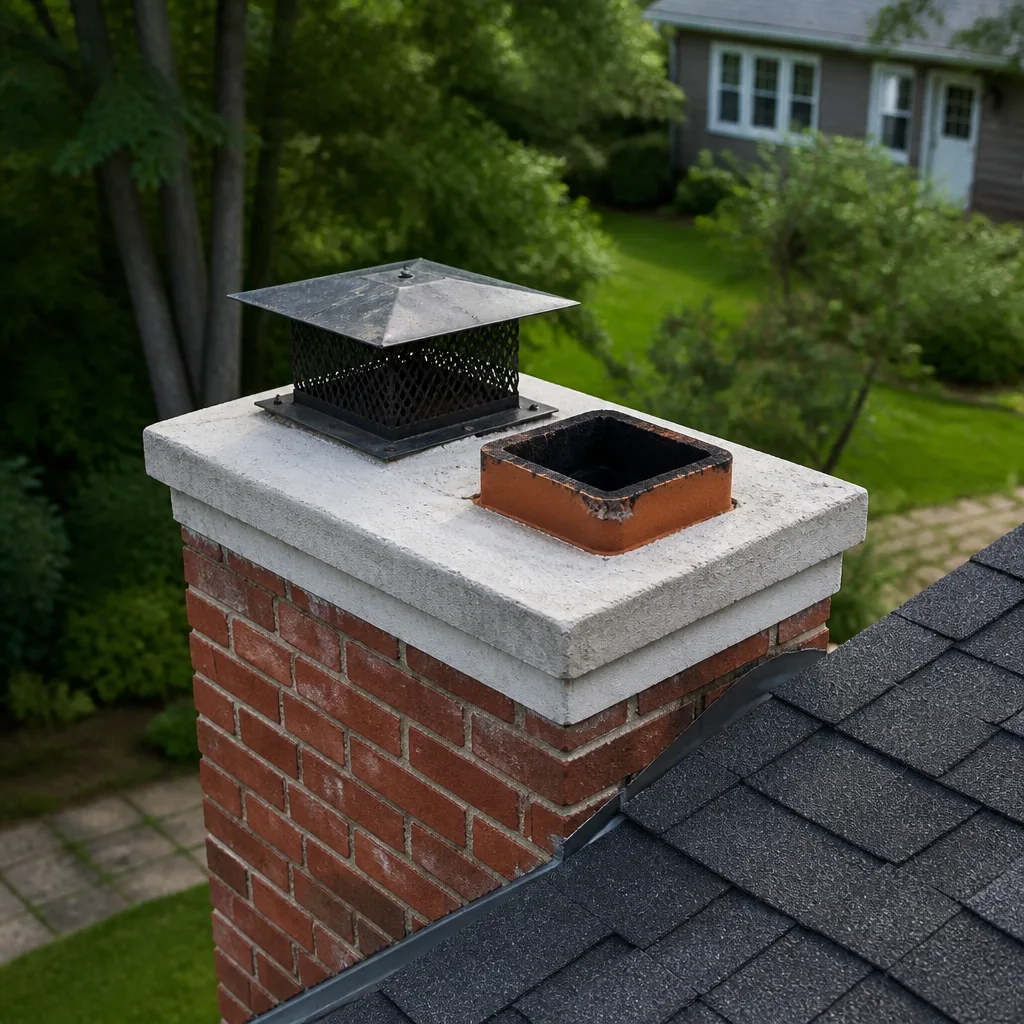
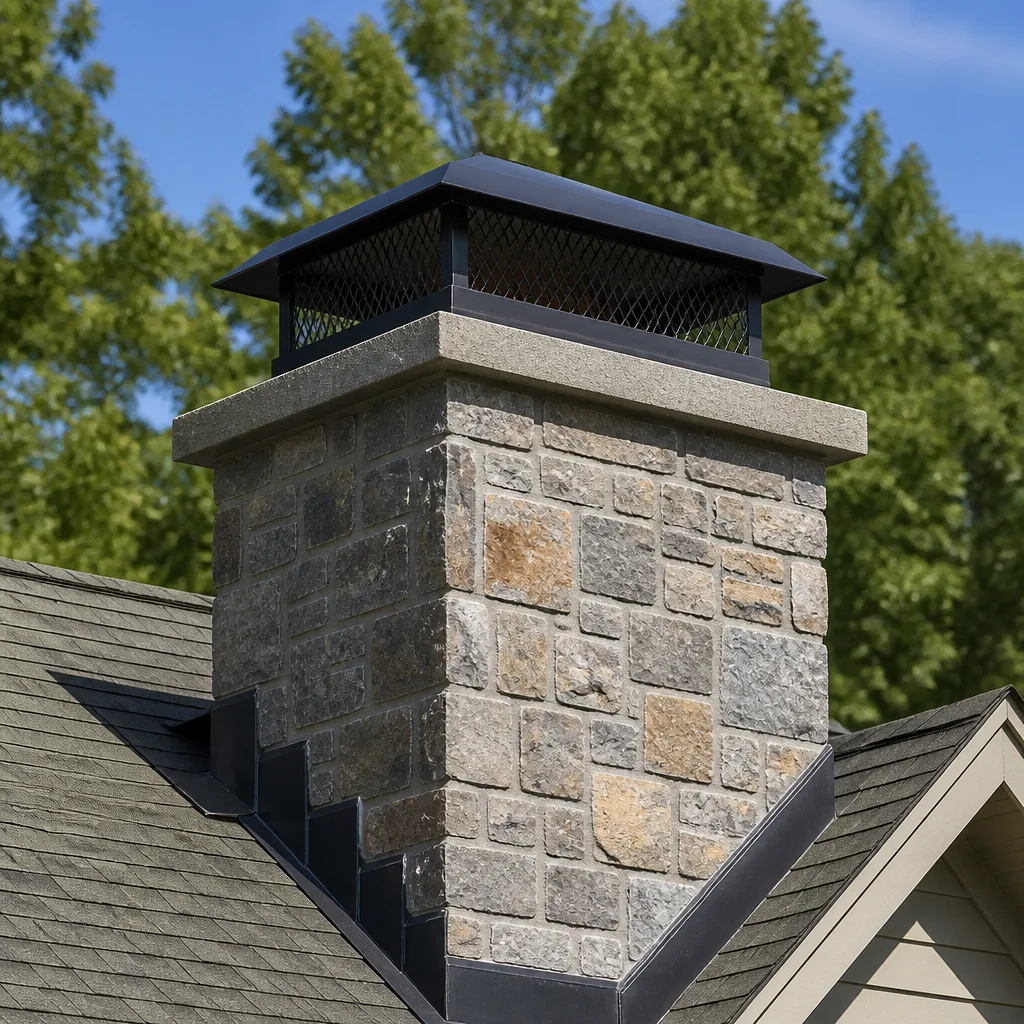
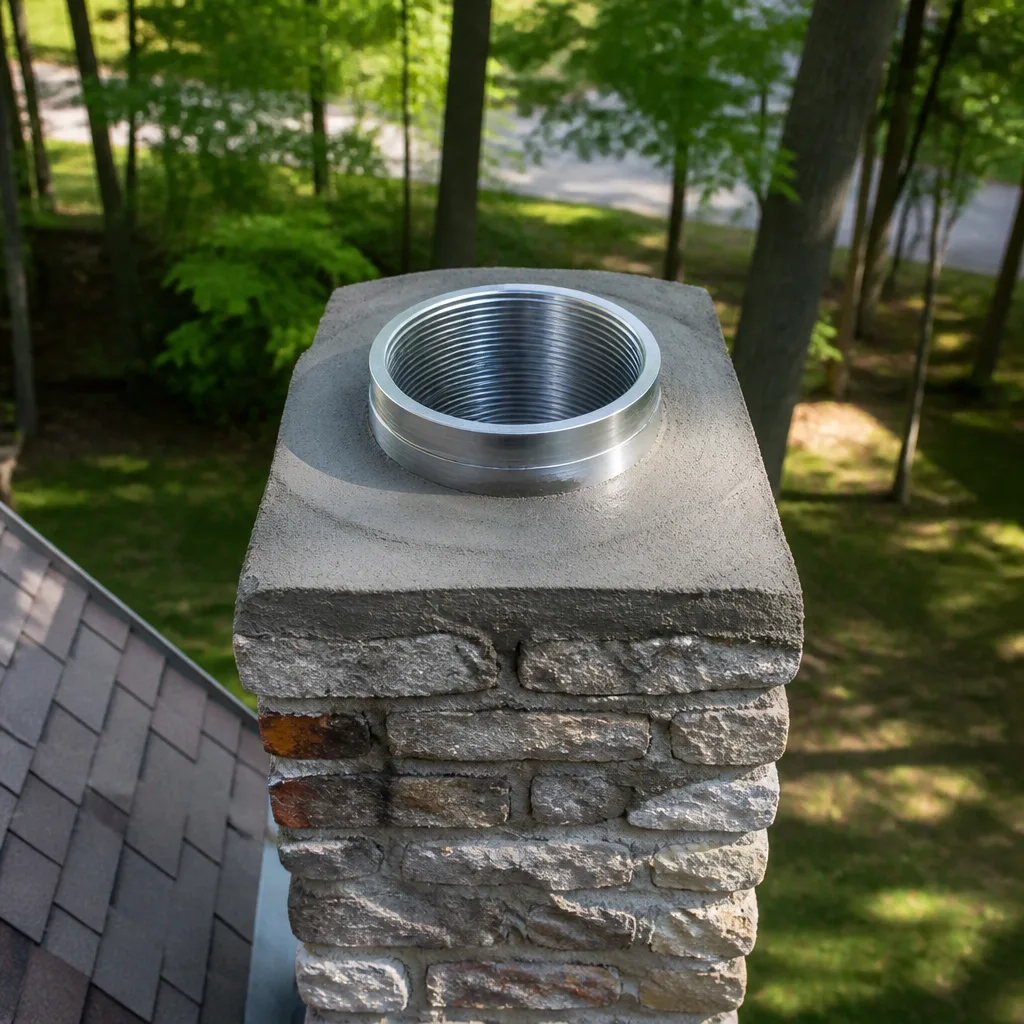
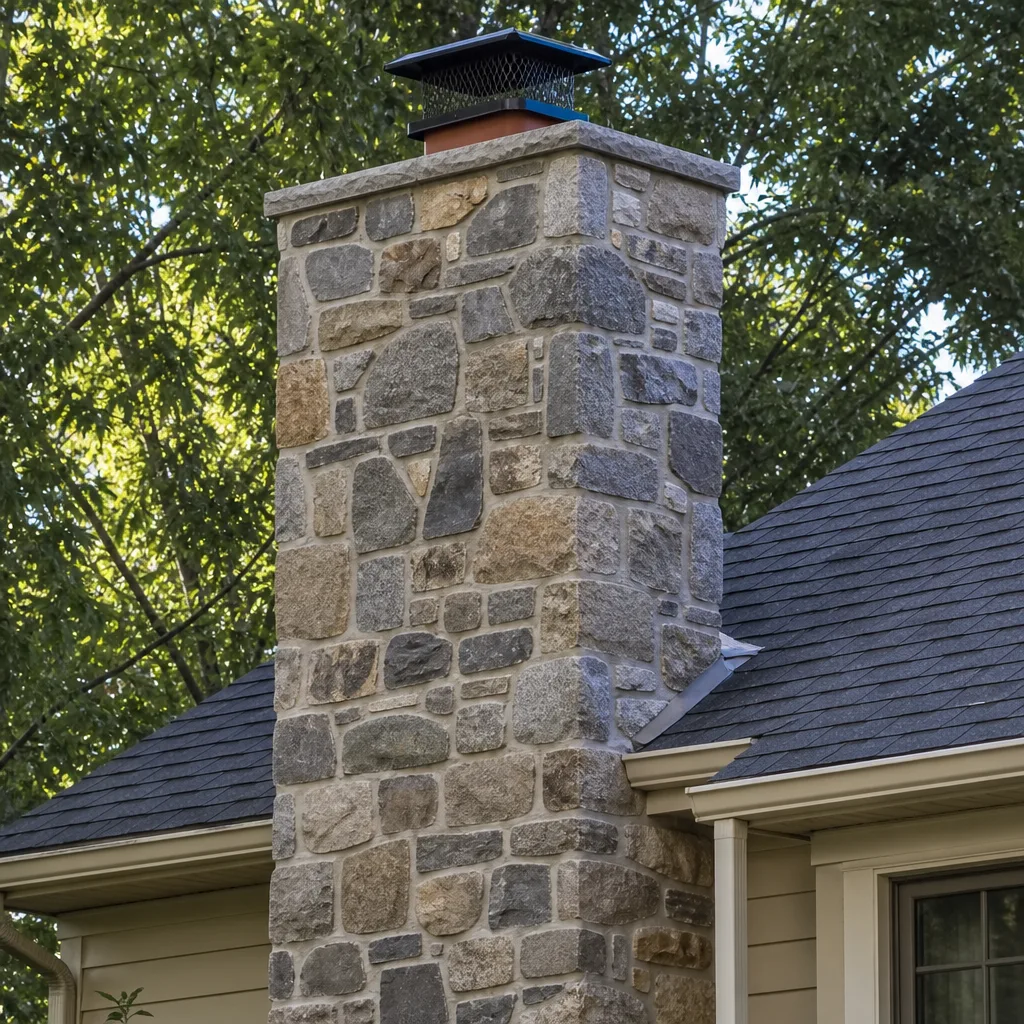
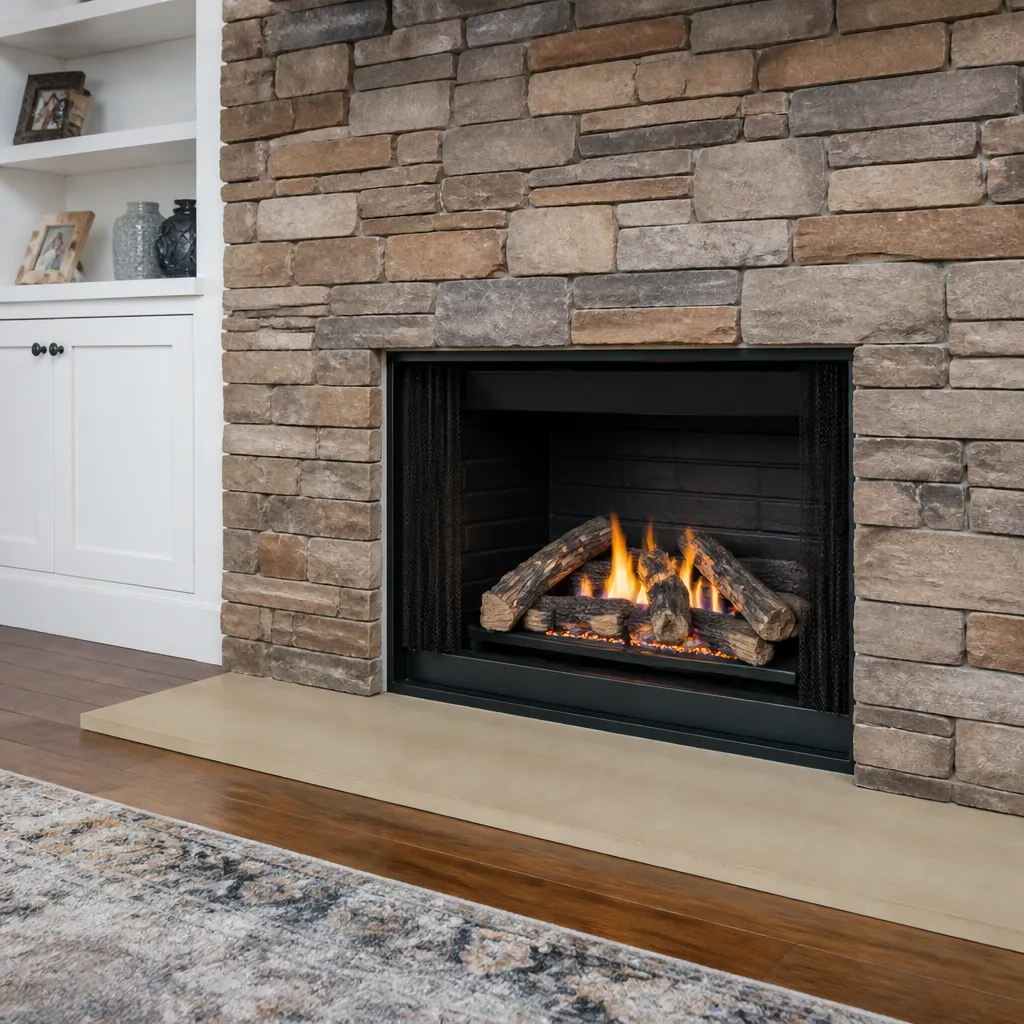
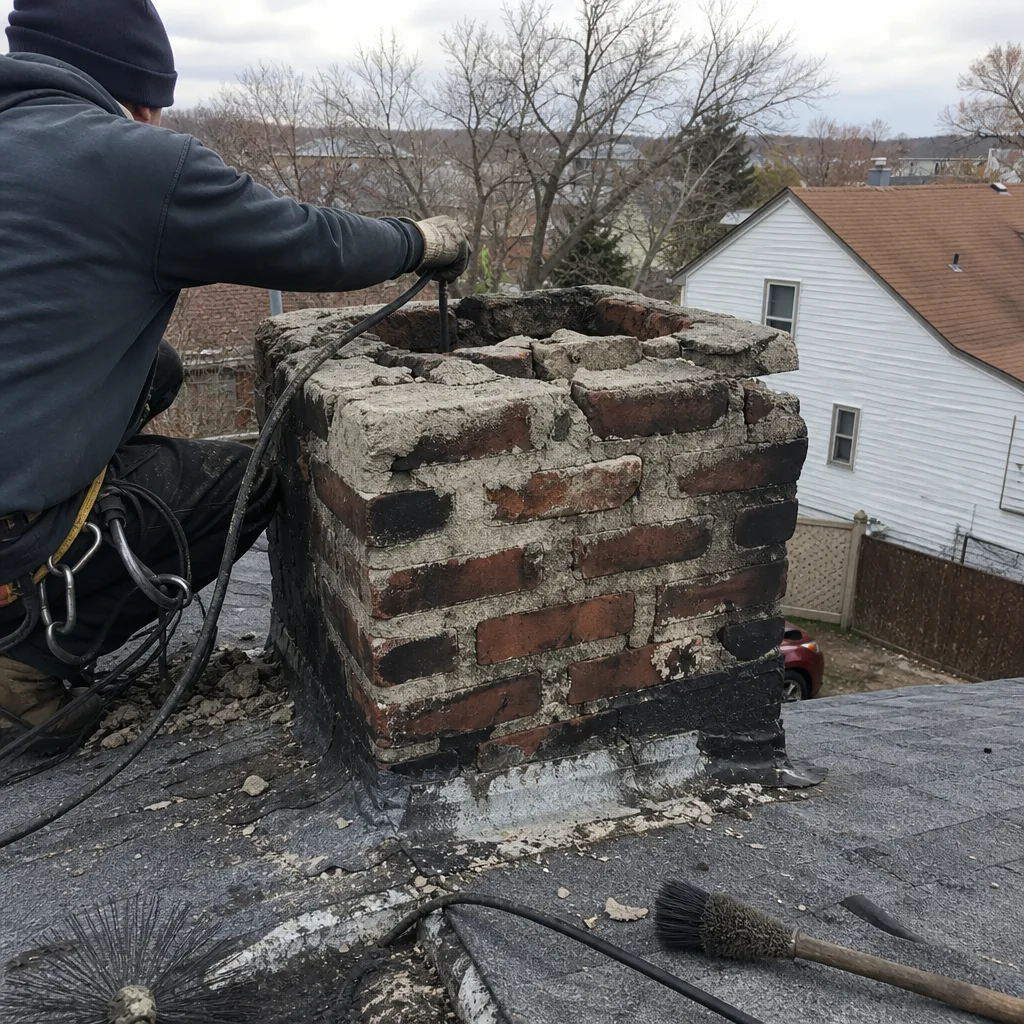 Before
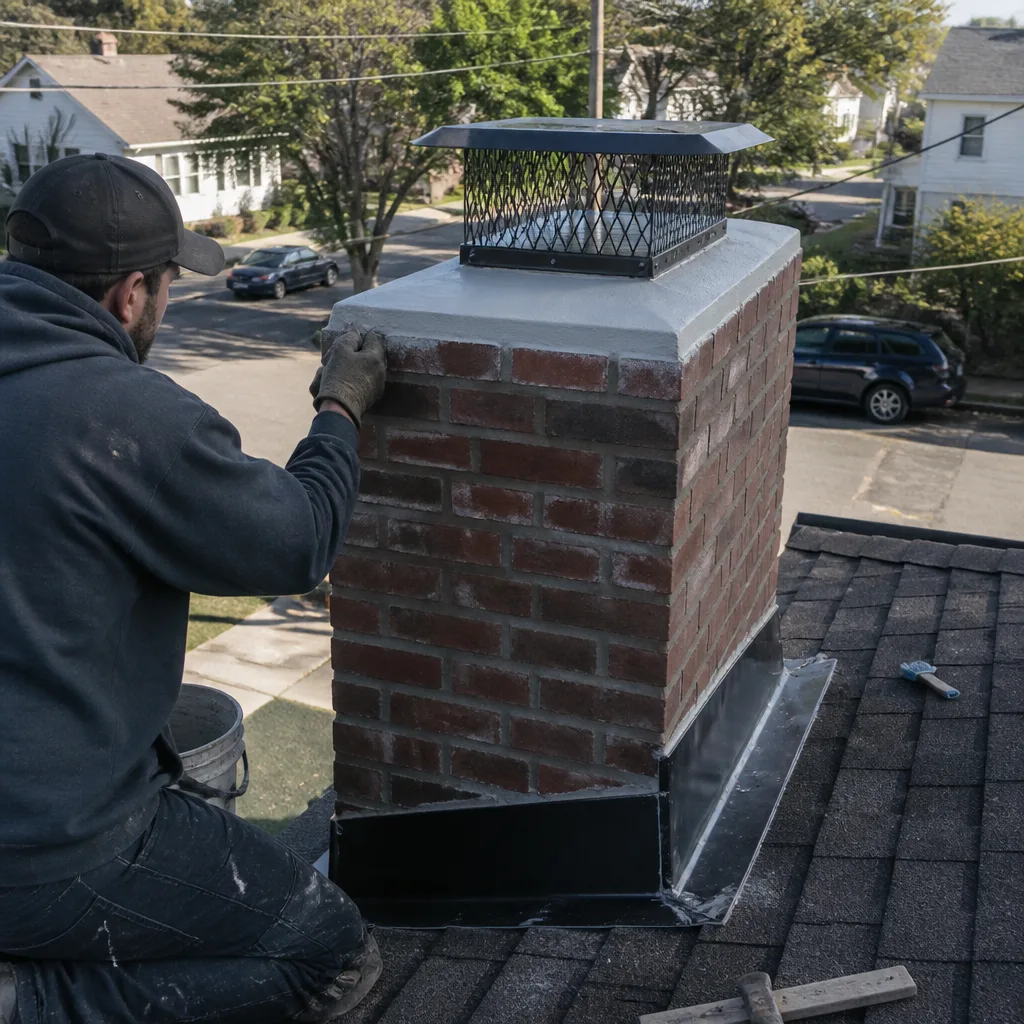 After
After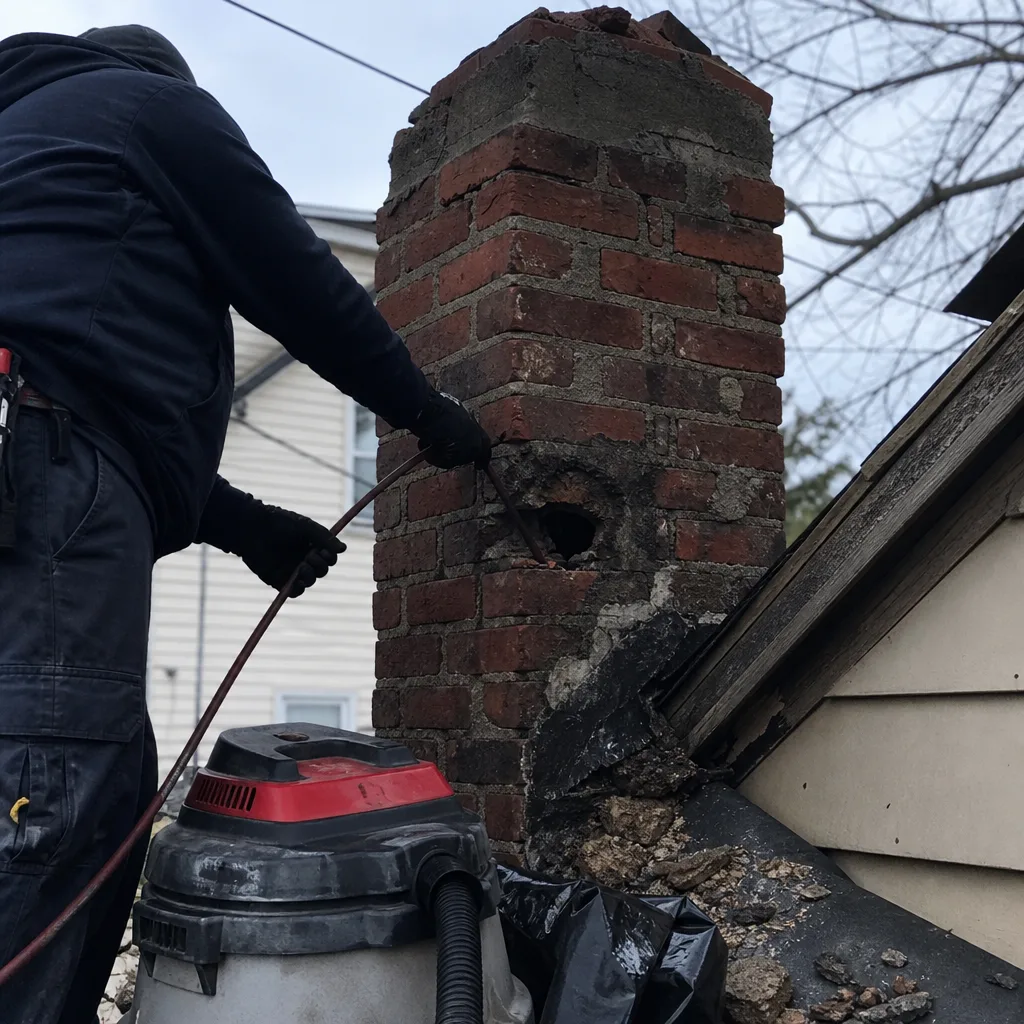 Before
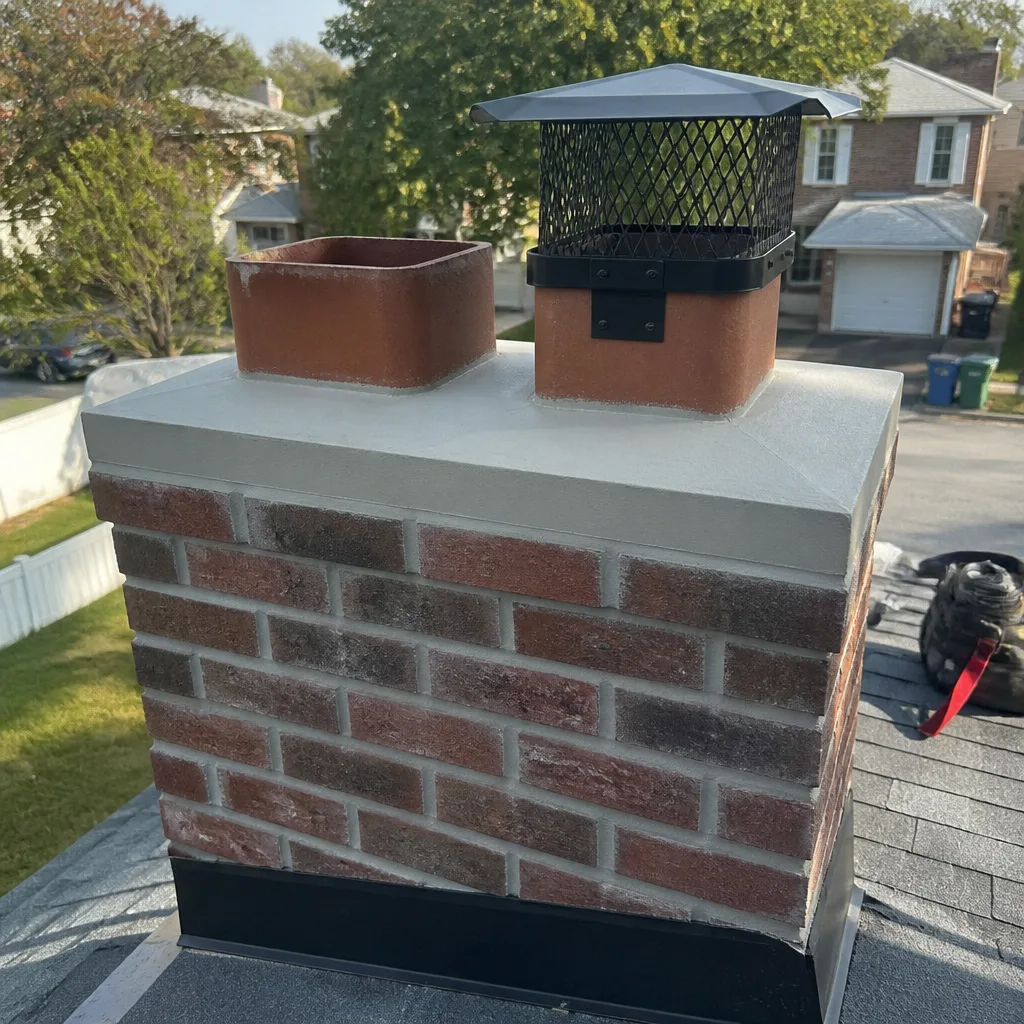 After
After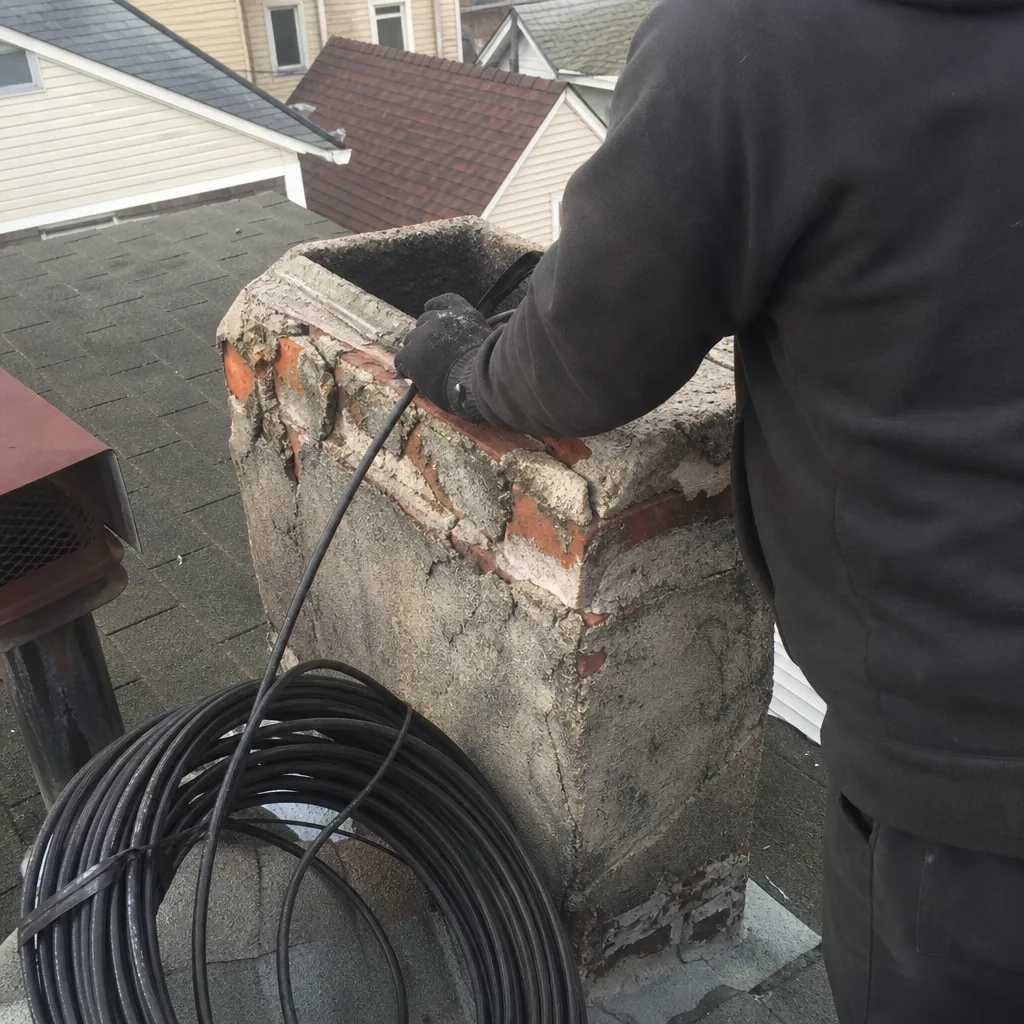 Before
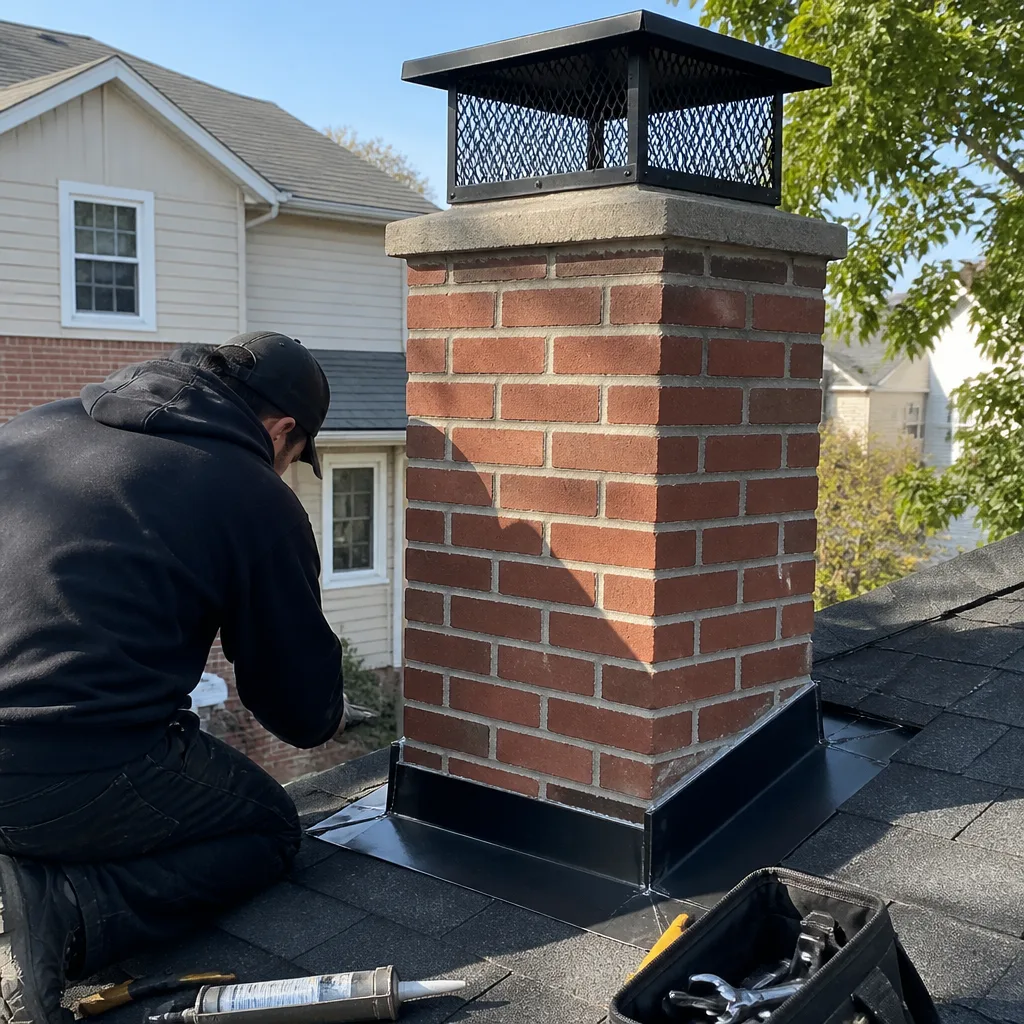 After
AfterHow to Hire a Chimney Cleaning Contractor in Queens: A Step-by-Step Guide
In Queens, a chimney cleaning ad can legally be placed by a company that incorporated last Tuesday, has no fixed address, and carries no liability insurance - and you’d have no way to know until something goes wrong. The borough’s dense housing stock, from Forest Hills brick colonials to Astoria row houses with shared flues, creates constant demand that attracts operators who treat chimney work as a seasonal hustle rather than a trade. We’ve spent over 42 years serving Queens homeowners, and we’ve seen what happens when the wrong contractor gets hired: incomplete sweeps that leave glazed creosote behind, “inspections” that never actually looked up the flue, and repair quotes for thousands of dollars with zero documentation to support them. This guide gives you a repeatable vetting process - not just a list of questions to ask - so you can hire with confidence and never think about it again. For more guides & resources, visit our blog.in.
Quick Answer
Hiring a chimney cleaning contractor in Queens requires verifying four documents before any work begins: a valid New York home improvement license, a Certificate of Insurance listing your address, CSIA certification for the technician who will actually do the work, and a written scope with itemized pricing that reflects Chimney Cleaning Permits, Codes & Inspections in NY: What You Need to Know. Request these, check the license against the NYC DCA database, and reject any contractor who pressures you to skip this step or accept a verbal quote.
Table of Contents
- Why Queens Is Different: Market Realities Homeowners Face
- The Four Documents to Request Before Signing Anything
- How to Verify a NY Home Improvement License in Under Three Minutes
- Red Flags Specific to Queens’ Chimney Market
- What a Legitimate Written Estimate Must Contain
- How to Evaluate Inspection Documentation Before Agreeing to Repairs
- What Chimney Cleaning Costs in Queens (and What Affects the Price)
- Common Mistakes to Avoid
- When to Call a Professional
- Frequently Asked Questions
- The Bottom Line
Why Queens Is Different: Market Realities Homeowners Face
Queens presents a unique combination of factors that make chimney contractor vetting more critical here than in many other markets. The borough’s housing spans nearly a century of construction styles - pre-war apartments in Jackson Heights, 1950s ranch homes in Bayside, attached brick homes in Flushing - each with different chimney configurations, venting requirements, and common failure points. Many Queens neighborhoods also sit in coastal flood zones where freeze-thaw cycles accelerate crown and mortar deterioration, a reality that dishonest contractors exploit by recommending unnecessary rebuilds.
The market itself compounds the problem. Queens has one of the highest densities of home service contractors in the New York metro area, yet the barrier to entry for chimney work remains remarkably low. A company can rent a truck, print flyers, and start soliciting jobs with no formal training, no permanent location, and no plan to exist past this heating season. When something goes wrong, the phone number disconnects and the homeowner has no recourse.
We’ve responded to calls in Jamaica Estates where a previous “sweep” never removed the damper plate before running brushes, leaving the chimney partially blocked. We’ve found crumbling clay liners in Whitestone that a door-knocker had pronounced “fine” after a two-minute flashlight glance from the hearth. These aren’t isolated incidents. They’re predictable outcomes when homeowners lack a systematic way to evaluate who they’re letting into their homes.
The climate factor matters too. Queens experiences significant temperature swings, with winter lows in the 20s and summer humidity above 70%. This thermal cycling stresses masonry, accelerates rust on metal components, and creates conditions where creosote builds faster than in more temperate regions. A contractor who doesn’t account for these local conditions in their inspection and recommendations isn’t doing the full job.
The Four Documents to Request Before Signing Anything
Every legitimate chimney contractor in Queens should be able to produce these four documents without hesitation. If any are missing, delayed, or met with excuses, that is your signal to end the conversation.
1. Valid New York Home Improvement License
New York City requires any contractor performing home improvement work valued at $200 or more to hold a license from the Department of Consumer Affairs (now called the Department of Consumer and Worker Protection). This is not optional, not “in process,” not something they can do without while you “trust them.” The license verifies that the business has passed background checks, carries required insurance, and has a verified physical address.
Ask for the license number. Write it down. You will verify it in the next step.
2. Certificate of Insurance with Your Address Listed
General liability insurance protects you if a technician damages your property or is injured on your premises. The Certificate of Insurance (COI) should name your specific address as the insured location for the job. This is not the same as a contractor waving a generic insurance card - that proves they have coverage, not that you’re protected for your specific job.
The COI should show minimum coverage of $1 million per occurrence and $2 million aggregate, standard for residential contractors in New York. Request it be sent directly from their insurance broker to eliminate the possibility of alteration.
3. CSIA Certification for the Actual Technician
The Chimney Safety Institute of America (CSIA) certifies individual technicians, not companies. A business can claim “CSIA-certified” while sending an uncertified employee to your home. Ask specifically: “Is the technician who will perform my cleaning CSIA-certified, and can I see their credential?”
The certification number should be current and verifiable on CSIA’s website. In our experience, the best technicians in Queens maintain this certification actively, not as a one-time credential from years past.
4. Written Scope of Work with Itemized Pricing
Verbal quotes are worth nothing when disputes arise. The written scope must specify exactly what will be done, what materials will be used (including brand names where applicable), the total price, and payment terms. For chimney cleaning, this should include whether the inspection is Level 1 (visual, from accessible areas) or Level 2 (camera inspection of internal surfaces), as these differ significantly in thoroughness and cost.
At Hearthstone Chimney Co. home, we provide this documentation before any work begins. No surprises on the bill - the number on the estimate is the number on the invoice.
How to Verify a NY Home Improvement License in Under Three Minutes
The NYC Department of Consumer and Worker Protection maintains a public license lookup tool. Here’s the exact process:
- Navigate to nyc.gov/dca and select “Check a DCA License”
- Enter the contractor’s license number or business name
- Review the results for three critical items:
- License status must show “Active” - not expired, suspended, or pending
- The business name and address must match what the contractor provided
- The license category must include “Home Improvement Contractor”
- Click through to view complaint history. A pattern of recent complaints, especially for “incomplete work” or “no refund,” is disqualifying regardless of license status
This verification takes under three minutes and has saved Queens homeowners from countless problematic hires. A contractor who resents this scrutiny - who calls it “insulting” or suggests you “should just trust them” - has already told you everything about how they operate.
Be aware that some operators exploit a common loophole: they perform work under $200 to avoid licensing requirements, then “discover” additional problems that push the total above that threshold. A legitimate contractor prices the full job correctly from the start and operates within the licensing framework regardless.
Red Flags Specific to Queens’ Chimney Market
Certain warning signs appear with troubling frequency in Queens. Recognizing them early prevents most bad hires.
Door-Knockers After Weather Events
After significant storms or cold snaps, neighborhoods from Rego Park to Little Neck see an influx of door-to-door chimney solicitors. These operators exploit weather anxiety, often claiming to have “noticed a problem from the street” or to be “working on your neighbor’s chimney.” No legitimate contractor builds a sustainable business by cold-knocking doors. The technique selects for high-pressure, low-accountability operators who are gone before complaints surface.
Unusually Low Bids Paired with Upsell Pressure
A $79 chimney sweep advertised in Queens is almost certainly a loss-leader designed to get a foot in the door. The technician then “discovers” critical defects requiring immediate, expensive repair. The initial low price was never sustainable - a proper cleaning with inspection, documentation, and responsible disposal of creosote waste costs more than that in labor and materials alone. The business model depends on the upsell.
We’ve reviewed competitor estimates in Queens where a $99 sweep became a $4,200 liner replacement “emergency” based on no documentation the homeowner could see. Our approach: Chimney Cleaning & Sweep in Queens includes the inspection and photo documentation upfront, with clear separation between cleaning and any recommended repairs.
No Fixed Business Address
A PO box or “dispatch location” is not a business address. Legitimate contractors maintain a physical location where records are kept, equipment is stored, and they can be found if issues arise. Ask for the address and verify it through the license lookup. Operators who work from cell phones and rented mailboxes have no stake in their reputation beyond this season.
Pressure to Decide Immediately
“I can only hold this price until I leave” or “We have one opening this week” are sales tactics, not service realities. A contractor with genuine scheduling constraints explains them plainly and offers to hold a written estimate for your review. Pressure to sign immediately indicates a business that profits from preventing comparison or reflection.
Vague or Missing Documentation
If the “inspection” produces no photos, no written condition report, and no explanation you can understand, you have no basis to evaluate recommended repairs. Documentation is not a luxury in chimney work - it is how you verify that someone actually looked at your system and understood what they saw.
What a Legitimate Written Estimate Must Contain
A proper estimate is a contract precursor, not a scrap of paper. Here’s what belongs in every legitimate chimney cleaning estimate in Queens:
- Your name and property address, matching the COI
- Date of estimate and expiration date (typically 30 days)
- Detailed scope of work - for cleaning, this means: type of inspection (Level 1 or 2), cleaning method (rotary or traditional brushing), areas to be accessed, and debris disposal method
- Materials specified by brand where applicable - for repairs, this means DuraFlex liners, HeatShield resurfacing, Gelco caps, or other professional-grade products, not “equivalent” substitutions
- Itemized pricing with labor and materials separated
- Payment schedule - never full payment upfront; standard is deposit with balance on completion
- Warranty or guarantee terms in writing
- Contractor license number and insurance information
- Signature lines for both parties
The estimate should also specify what happens if additional problems are found during work. A legitimate contractor explains their process: they stop, document, present findings with evidence, and obtain written authorization before proceeding. They do not “discover” a $2,000 problem at 4 PM on a Friday and demand an immediate decision.
At Hearthstone, our estimates include the 90-Day Done Right Promise - in writing, no arguing. If it’s not done right, we make it right. This is governed by our K.E.Y.S. values: Krafted right, Every time, Your home first, Standing behind it.
How to Evaluate Inspection Documentation Before Agreeing to Repairs
This is where most Queens homeowners get separated from their money. A contractor completes a “free inspection,” finds thousands of dollars in “critical” repairs, and produces nothing the homeowner can independently evaluate. Here’s how to demand and assess proper documentation.
Photo Evidence You Can See
A Level 2 inspection, which we recommend for any Queens home that has changed hands, experienced a chimney fire, or shown performance problems, uses a specialized camera to examine internal flue surfaces. The technician should provide dated, labeled photographs showing:
- The condition of flue liner tiles or mortar joints
- Any cracks, gaps, or spalling
- Creosote buildup type and thickness (Stage 1, 2, or 3)
- Crown and cap condition from above
- Smoke chamber and damper operation
Photos should be clear, in focus, and include identifying features that confirm they are from your chimney. Vague “example” photos from other jobs are not acceptable.
A Plain-English Verdict
Technical documentation without interpretation is useless to most homeowners. The inspector should explain, in terms you understand, what each finding means for safety and function. “Your flue liner has a vertical crack at the second course” means nothing without: “This allows combustion gases to reach the masonry surround, which can transfer heat to combustible framing. In a shared wall situation like your Forest Hills attached home, this also affects your neighbor’s fire safety.”
Our Chimney Repair in Queens process ends with photos you can see and a plain-English verdict - documented like an engineer, explained like a craftsman.
Prioritized Recommendations with Timeline
Not every finding requires immediate action. A trustworthy inspector distinguishes between:
- Immediate safety hazards - conditions that make the system unsafe to use until repaired
- Scheduled maintenance - issues that should be addressed within the next heating season
- Monitoring - conditions to watch during future inspections
Be wary of estimates where every finding is “urgent” and “must be done now.” This pattern suggests sales pressure, not professional judgment.
Second Opinion Policy
Any significant repair recommendation should be verifiable by another qualified inspector. We offer free second opinions on any written estimate because we believe homeowners deserve confidence in major decisions. A contractor who discourages second opinions is not certain of their own findings.
What Chimney Cleaning Costs in Queens (and What Affects the Price)
Understanding realistic pricing - detailed in our Chimney Cleaning Cost Breakdown: The Queens Homeowner’s Reference for 2026 - helps you evaluate bids and spot the loss-leader traps described earlier. Queens pricing reflects New York’s higher labor costs and the logistical challenges of borough service.
| Service | Typical Queens Range | What Affects the Price |
|---|---|---|
| Level 1 chimney sweep and basic inspection | $175 - $275 | Accessibility, number of flues, amount of creosote buildup |
| Level 2 inspection with camera | $250 - $450 | Height of chimney, number of appliances vented, documentation detail |
| Glazed creosote removal (Stage 3) | $300 - $600 additional | Thickness, chemical treatment required, time to complete |
| Fireplace insert cleaning | $200 - $350 | Insert type, liner connection complexity |
| Chimney cap installation (standard) | $350 - $650 | Material (stainless vs. copper), size, existing damage |
| Crown repair with professional-grade materials | $500 - $1,200 | Extent of cracking, accessibility, whether pour or overlay |
Prices below these ranges should prompt scrutiny, not celebration. A $99 sweep cannot cover proper technician wages, insurance, equipment maintenance, and responsible disposal in Queens’ cost environment. The difference comes from somewhere: untrained labor, skipped steps, or the upsell waiting in your living room.
Our $89 Seasonal Tune-Up is a limited offering with defined scope, not a bait-and-switch. The details are clear before you book.
Geographic factors in Queens also affect pricing. Homes in Breezy Point or the Rockaways may carry modest travel premiums. Properties with steep roofs or limited access require additional safety equipment and time. Historic homes in neighborhoods like Douglaston may have non-standard flue dimensions requiring custom approaches. A legitimate estimate accounts for these factors explicitly.
Common Mistakes to Avoid
- Hiring based on the lowest bid alone. In Queens’ saturated market, the lowest price often signals the highest risk - uninsured labor, incomplete work, or deliberate underpricing to enable upsells. Compare documentation quality and guarantee terms, not just the bottom line.
- Accepting a verbal quote. New York courts rarely enforce verbal contractor agreements. Without written scope and pricing, you have no recourse when the final bill doubles. Every commitment belongs on paper.
- Assuming CSIA company certification means the technician is certified. Companies advertise credentials that apply to ownership or management, not the person on your roof. Verify the individual who will perform your work.
- Neglecting to check complaint history. The NYC DCA lookup reveals patterns that references alone won’t. A contractor with three “incomplete work” complaints in two years is a pattern, not a coincidence.
- Allowing work to begin before insurance verification. If a technician falls from your roof or damages your neighbor’s property, you become the liable party when coverage doesn’t exist. The three minutes to verify saves years of potential litigation.
- Failing to ask about debris disposal. Creosote is hazardous waste. Illegally dumped sweepings have led to fines for Queens homeowners who hired unlicensed operators. Legitimate contractors include proper disposal in their scope.
- Skipping the post-work walkthrough. Insist on reviewing findings and completed work with the technician before final payment. Photos, explanations, and your questions answered - this is how you confirm you received what you paid for.
When to Call a Professional
Certain conditions warrant immediate professional evaluation regardless of your last cleaning date. Smoke entering your living space, visible cracks in exterior masonry, a strong odor from the fireplace in warm weather, or any evidence of previous chimney fire (warped metal, discolored masonry, heat-damaged surrounds) require prompt inspection. Carbon monoxide detectors that activate near the fireplace also demand immediate attention - this is not a troubleshooting scenario for homeowners.
Annual cleaning remains the standard for wood-burning systems in regular use, but Queens’ climate and housing density create additional considerations we cover in our Seasonal Chimney Cleaning Care for Queens: Year-Round Homeowner’s Guide. Shared flues in attached homes, common in Astoria and Woodside, mean your maintenance affects adjacent properties. Coastal salt exposure in areas like Broad Channel accelerates metal component corrosion. These local factors support more frequent professional evaluation than national averages might suggest.
Fireplace Services in Queens from Hearthstone Chimney Co. include thorough inspection, documented findings, and clear recommendations without pressure. We offer free estimates throughout Queens - call (516) 531-6315 to schedule. Our phones are answered by a live person 24 hours a day, 7 days a week. We’ll be there when we say.
Frequently Asked Questions
A professional chimney sweep with Level 1 inspection in Queens typically costs $175 to $275, while a Level 2 camera inspection runs $250 to $450. Prices vary based on accessibility, number of flues, and creosote buildup severity. Call (516) 531-6315 for an exact quote - estimates are free.
You need a new liner when camera inspection reveals cracks, gaps, or deterioration that allows combustion gases to contact surrounding masonry or framing - not because a contractor says so without documentation. In Queens’ older housing stock, unlined chimneys or deteriorated clay tile liners are common, but the decision requires photo evidence you can see and a plain-English explanation. We use DuraFlex and HeatShield products when relining or resurfacing is genuinely needed, and we explain when work can safely wait.
The National Fire Protection Association recommends annual inspection, with cleaning frequency based on use and creosote accumulation. In Queens, where many homeowners burn regularly through extended heating seasons and where coastal moisture accelerates deterioration, annual sweeping is prudent for active wood-burning systems. Gas fireplaces require less frequent cleaning but still need periodic inspection of venting and surrounds.
Skipped maintenance leads to creosote accumulation, which is the primary fuel for chimney fires - over 25,000 occur annually in the United States. It also permits deterioration of liners and masonry, creating paths for carbon monoxide intrusion into living spaces. In Queens’ attached housing, these risks extend to neighboring properties. The cost of prevention is modest compared to the cost of remediation after a fire or poisoning event.
Request their New York home improvement license number and verify it through the NYC Department of Consumer and Worker Protection online lookup tool at nyc.gov/dca. The license must show “Active” status, and the business name and address must match what the contractor provided. This verification takes under three minutes and is the single most effective step in avoiding unqualified operators.
A chimney sweep removes creosote, debris, and obstructions from the flue and firebox. An inspection evaluates the system’s condition, safety, and code compliance. In practice, they often occur together - a proper cleaning includes basic inspection, while a Level 2 inspection includes cleaning access. Be specific about what you’re purchasing: a “sweep” without inspection may leave dangerous conditions undetected, while an inspection without cleaning may be evaluating a system obscured by buildup.
The Bottom Line
Hiring a chimney cleaning contractor in Queens rewards methodical preparation over haste. Verify four documents before any work begins. Check the license yourself in under three minutes. Demand photo documentation and plain-English explanations for any repair recommendation. Reject pressure tactics, verbal quotes, and operators who cannot produce a fixed business address. The contractors who survive this vetting are the ones who have built sustainable businesses on competence and accountability - the ones who plan to be serving Queens homeowners thirty years from now.
We’ve operated that way since 1984. Our background-checked, uniformed technicians complete most jobs in a single visit. Our pricing is upfront, our documentation is thorough, and our 90-Day Done Right Promise is in writing with no arguing. Done right - and we stand behind it.
Written by Russell Haines, Owner at Hearthstone Chimney Co., serving Queens since 2014.