
Last updated September 10, 2026
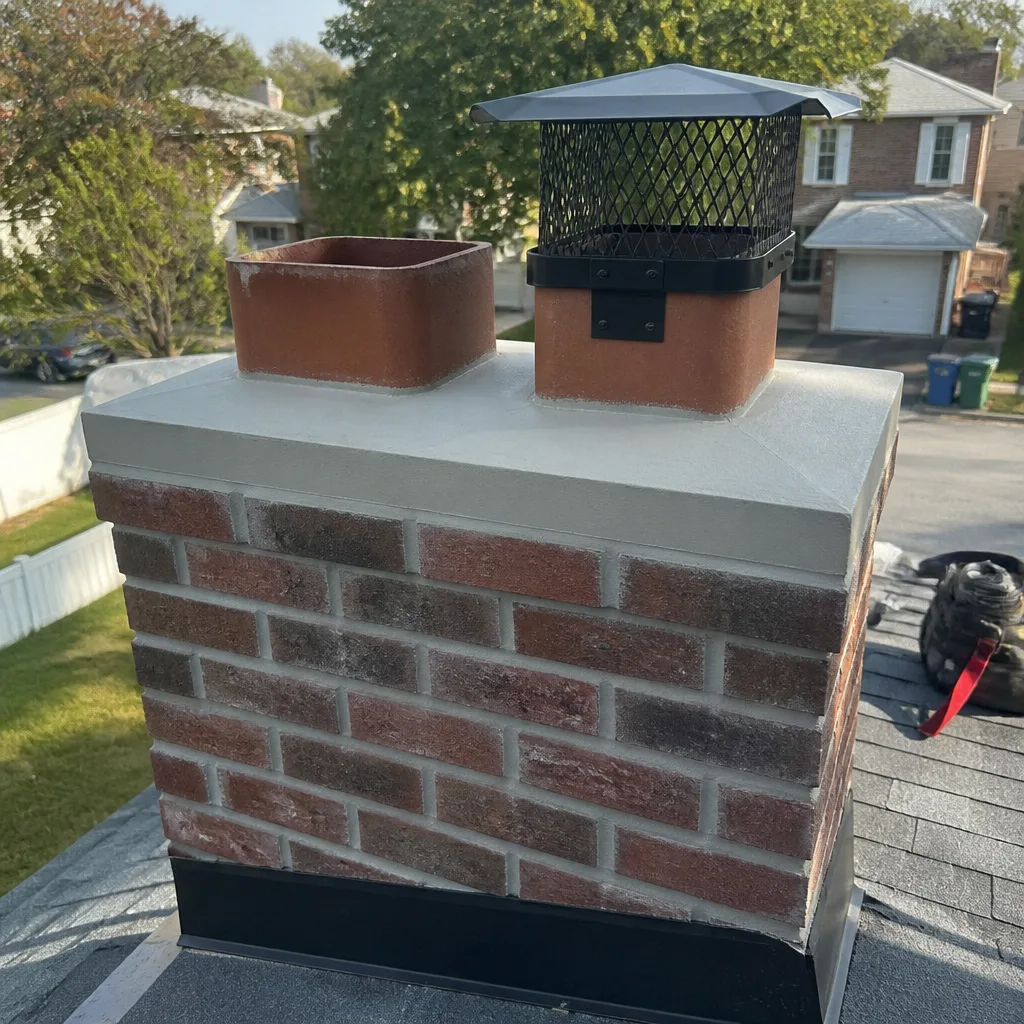
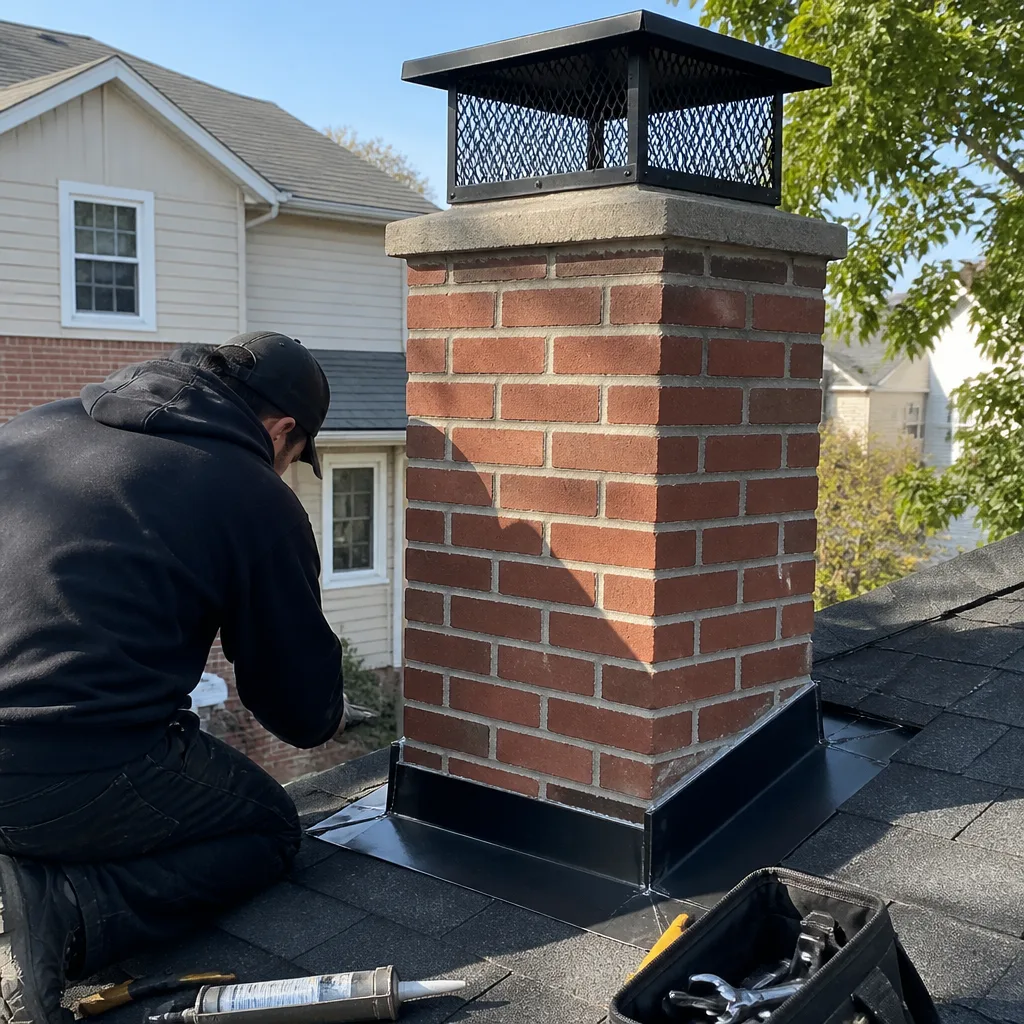
Level 1 sweep and inspection to the NFPA 211 annual standard - flue, crown, cap, and flashing checked and photographed
Chimney sweep logs do not sweep chimneys. They loosen some creosote - which then falls where a brush and vacuum still have to collect it.
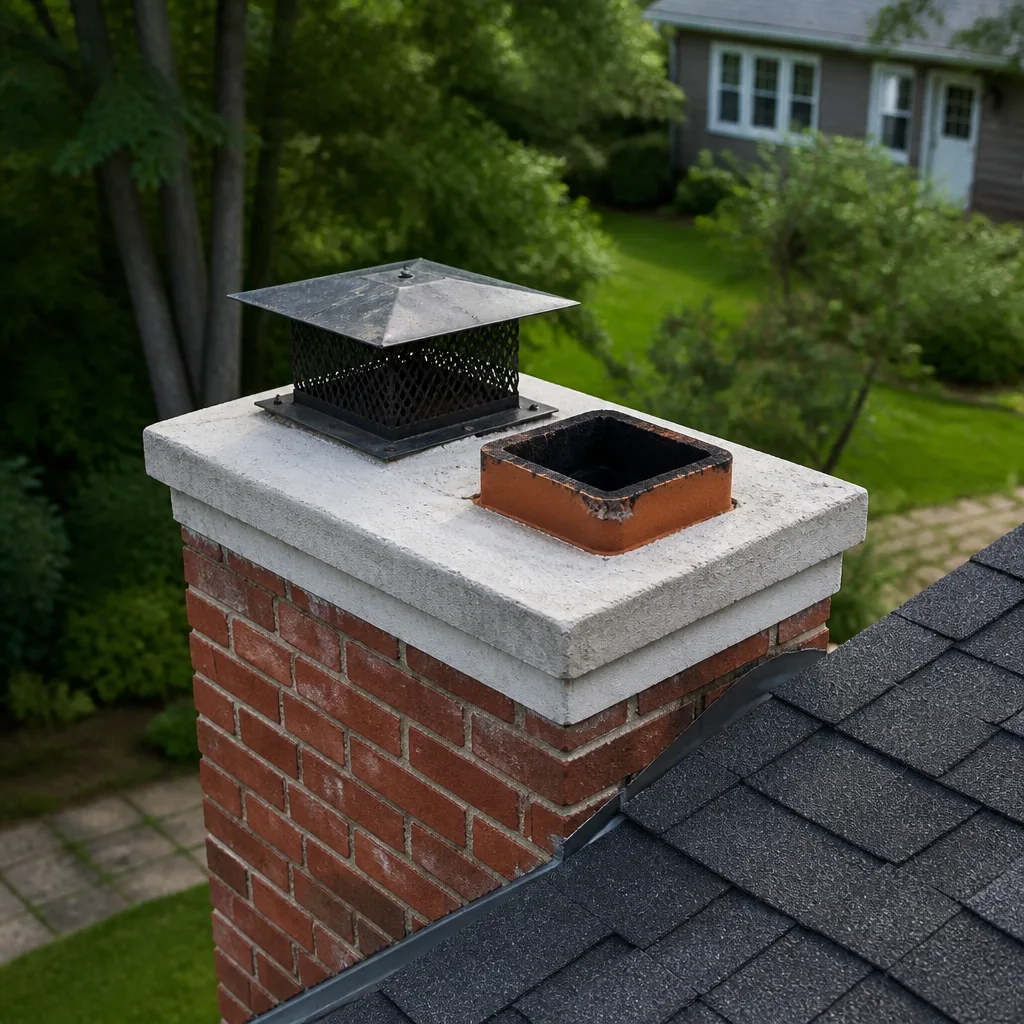
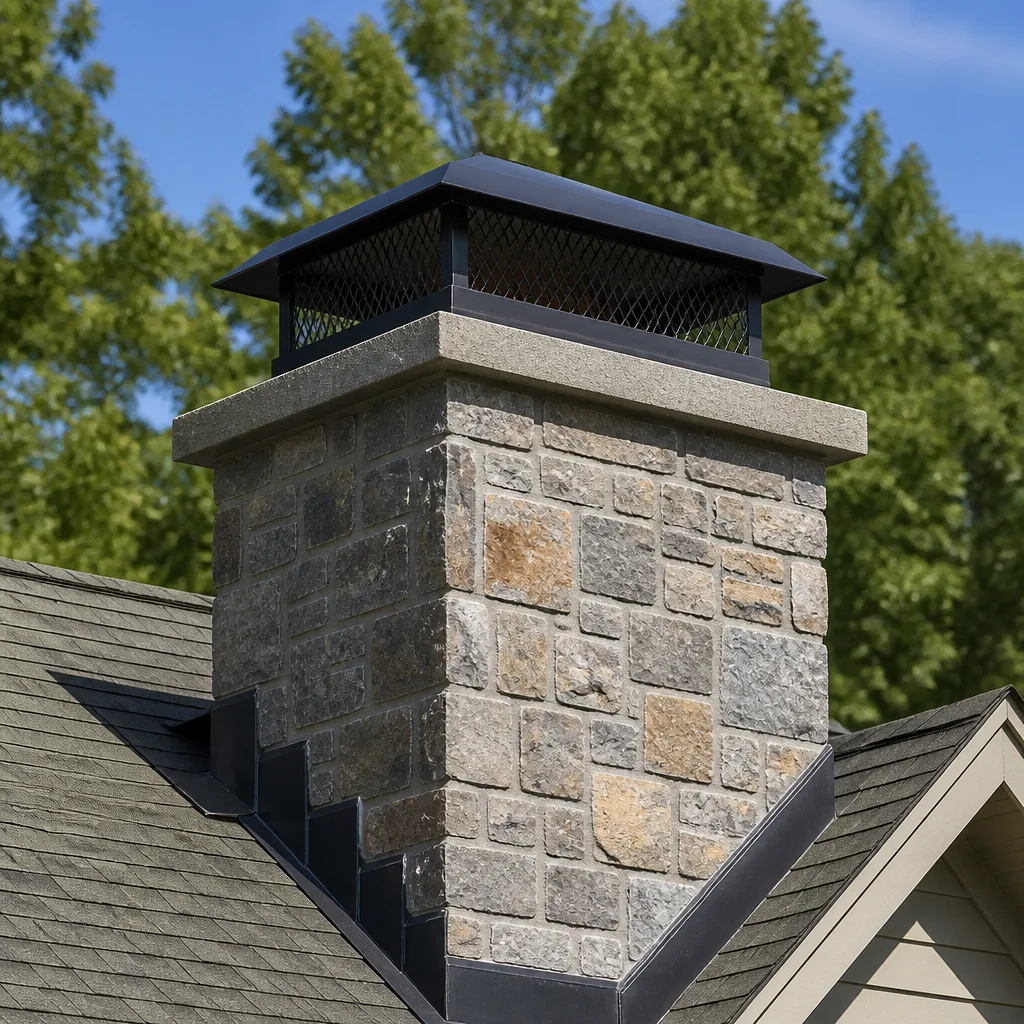
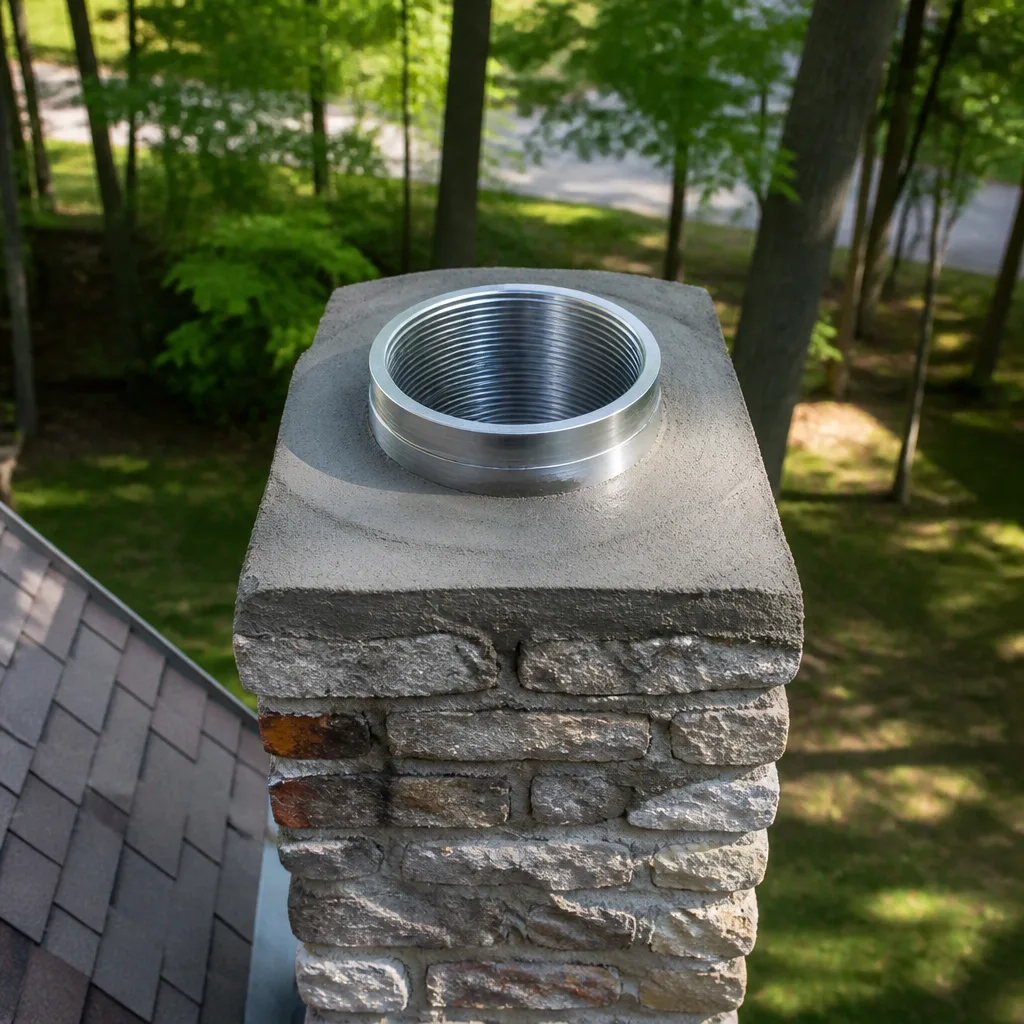
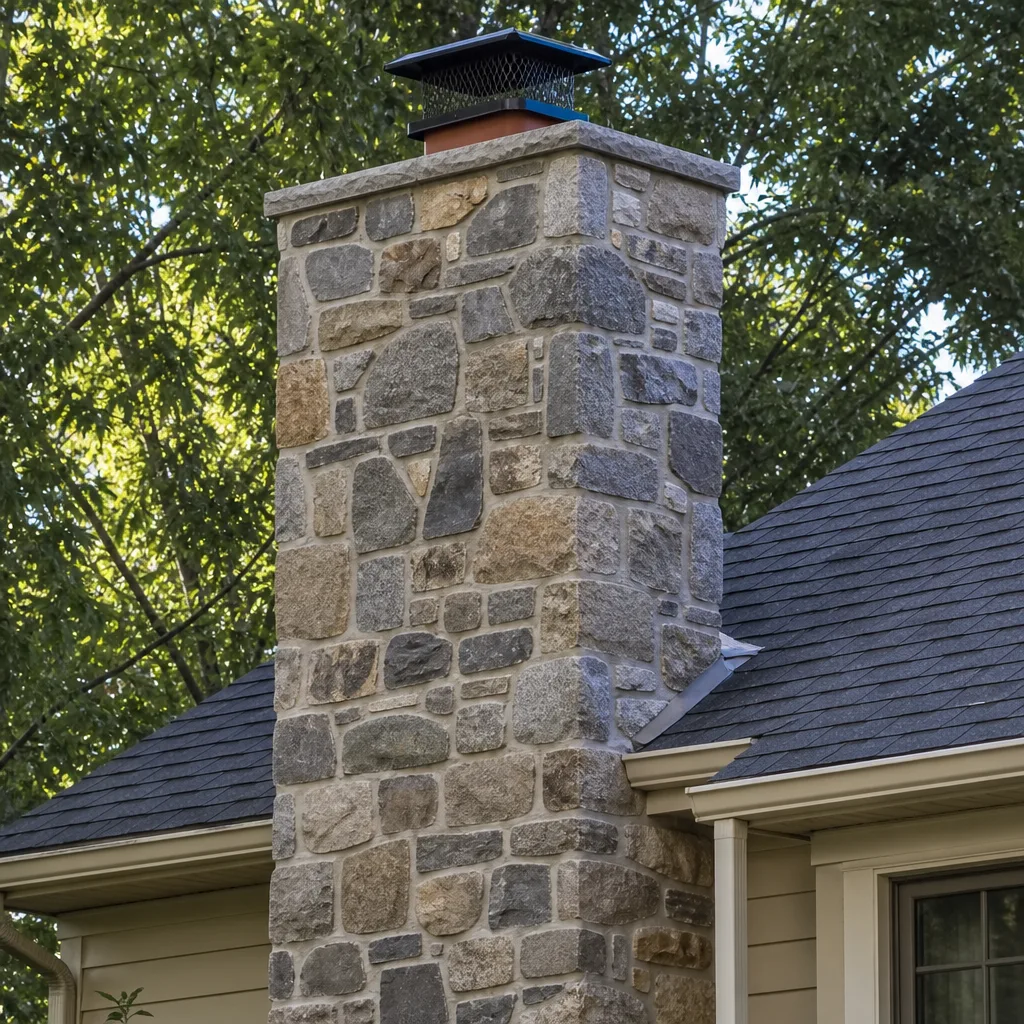
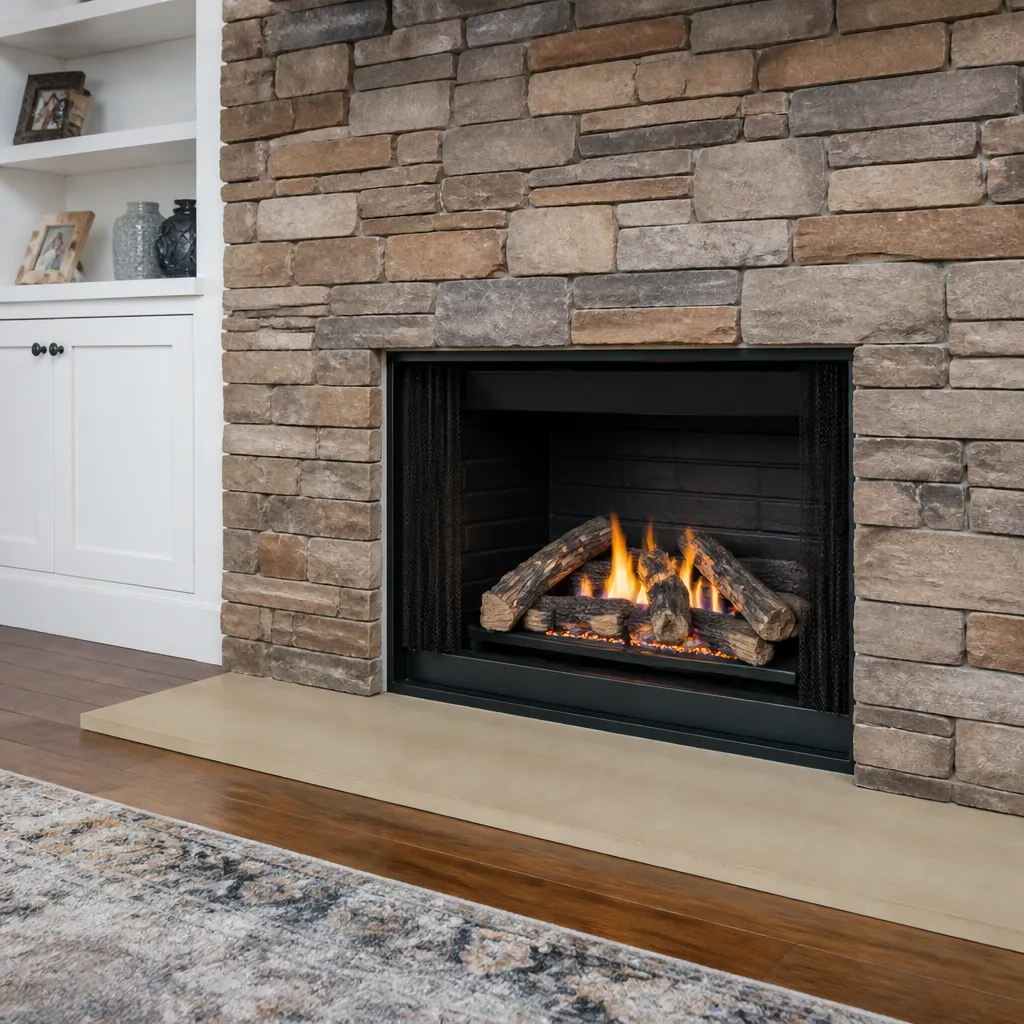
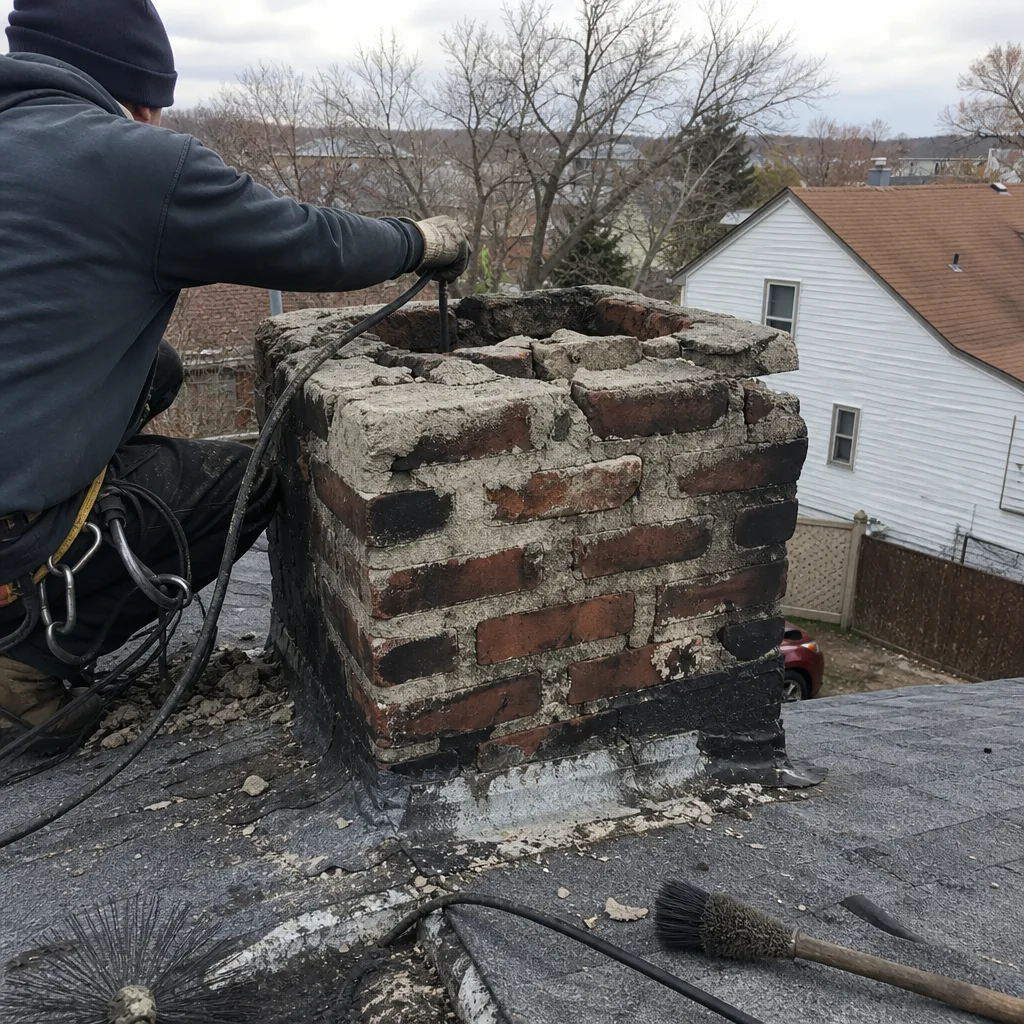 Before
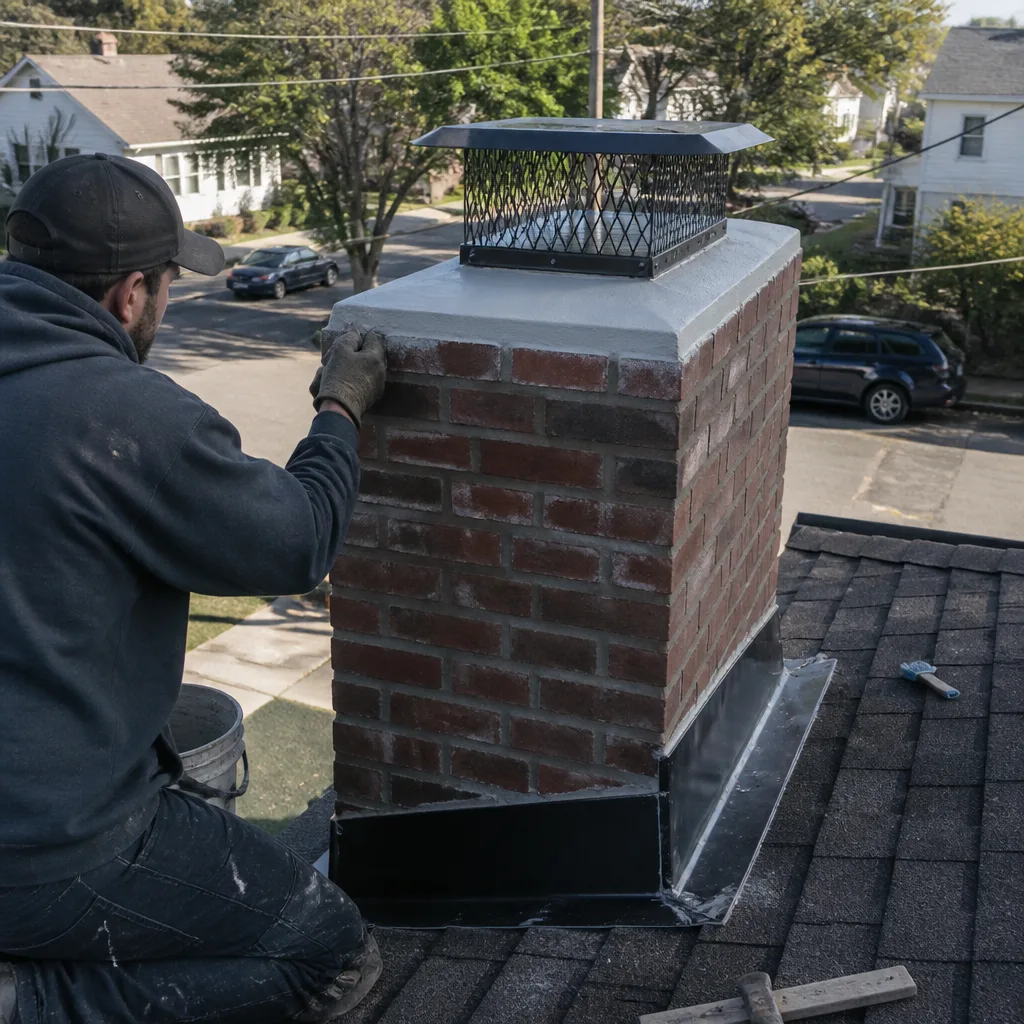 After
After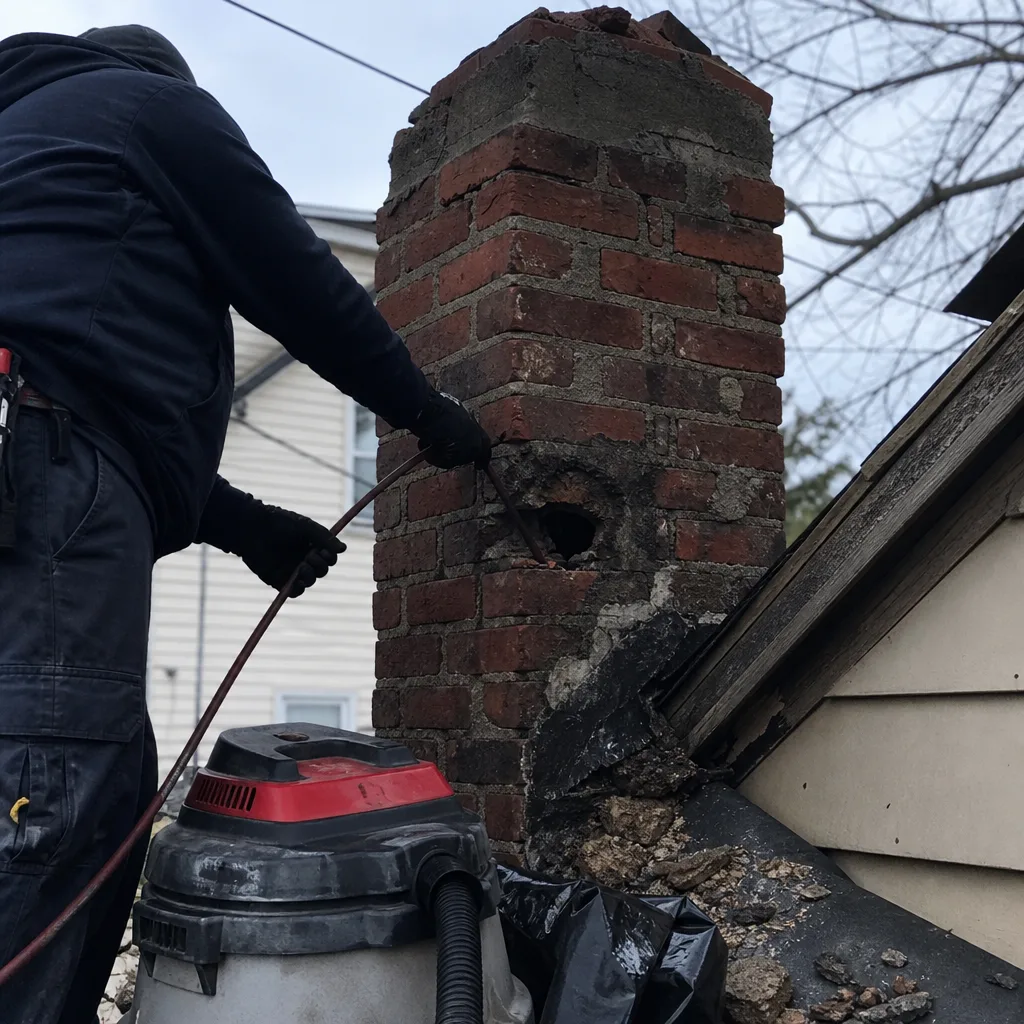 Before
 After
After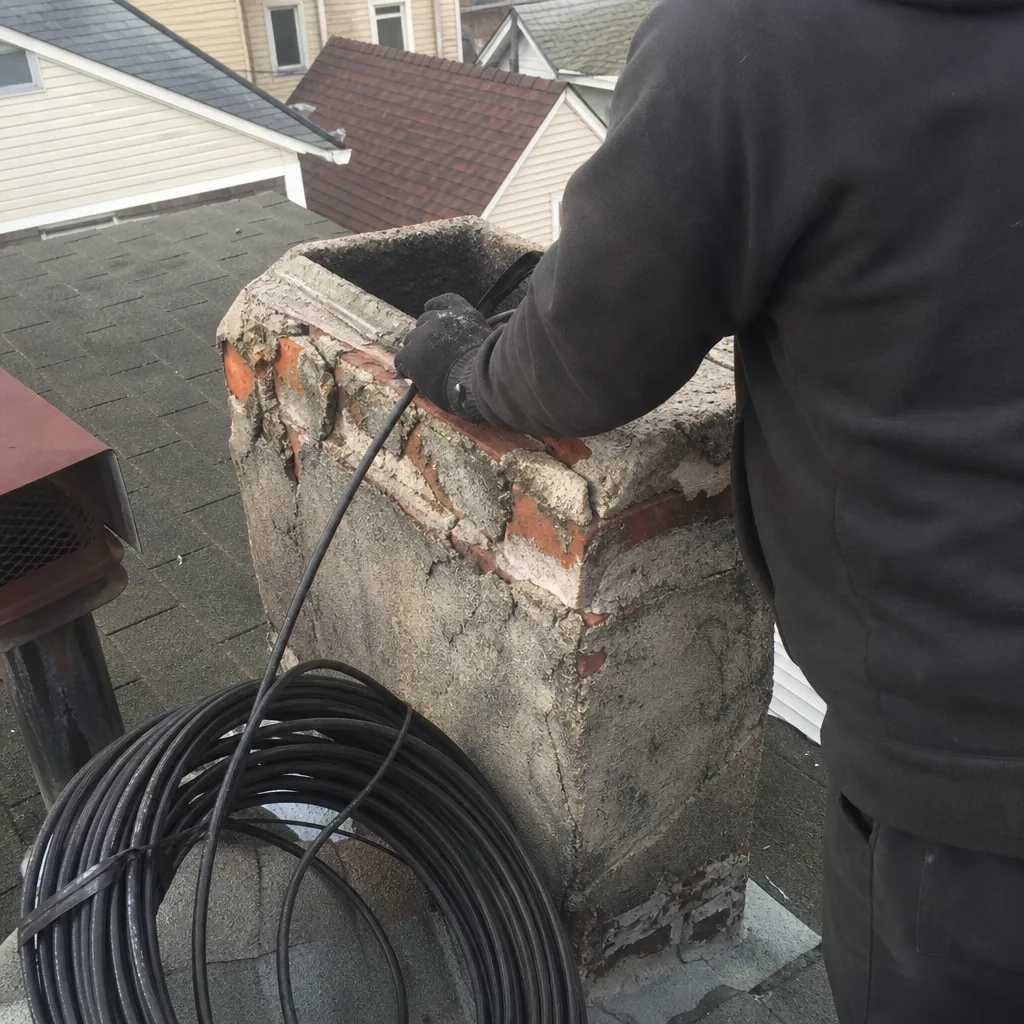 Before
 After
AfterChimney Cleaning Cost Breakdown: The Queens Homeowner’s Reference for 2026
The $89 chimney cleaning special that floods Queens mailboxes every September is a documented bait-and-switch. The sweep arrives, inspects, and discovers “necessary” add-ons. The final invoice averages $360 to $540, and we’ve seen Queens homeowners pay north of $800 after aggressive upselling. This isn’t a fluke. It’s a business model. In this guide, we’ll show you exactly what a legitimate chimney cleaning costs in Queens, line by line, so you can spot the difference between a real quote and a setup. For more guides & resources, see our blog.
Quick Answer
A legitimate, full-service chimney cleaning in Queens costs between $250 and $450 for a standard wood-burning fireplace with Level-1 inspection included. Jobs requiring Level-2 camera inspection, heavy creosote removal, or access challenges in older Queens homes typically run $400 to $650. The $89 specials advertised across Astoria and Flushing rarely include inspection, documentation, or proper cleanup, and they almost always lead to additional charges.
Table of Contents
- What a Legitimate Chimney Sweep Includes
- Line-Item Cost Breakdown for Queens
- What Drives the Price Up in Queens
- How to Read a Written Estimate
- The Real Cost of Skipping Annual Cleaning
- What Hearthstone’s 90-Day Done Right Promise Means in Dollar Terms
- Common Mistakes to Avoid
- When to Call a Professional
- Frequently Asked Questions
What a Legitimate Chimney Sweep Includes
A proper chimney cleaning is not a quick brush-and-go. In Queens, where housing stock spans pre-war brick row houses in Sunnyside, 1960s split-levels in Bayside, and everything between, the work varies. But the core service should not. See our Chimney Cleaning & Sweep Maintenance Checklist for Queens Homeowners for what to expect.
Here’s what a legitimate sweep covers:
- Pre-work documentation. The technician photographs the firebox, damper, and visible flue before touching anything. You get these photos. This protects both parties and establishes a baseline.
- Containment setup. Drop cloths, HEPA vacuums, and sealed work areas to protect your floors and air quality. Queens’ tight spaces and finished basements make this non-negotiable.
- Mechanical sweeping of the flue. Rotary brushes, hand brushes, and rods matched to your flue liner material and diameter. No single tool works for every chimney.
- Firebox and smoke chamber cleaning. Soot and ash removal from the visible fireplace interior, including the smoke shelf where debris accumulates.
- Level-1 inspection per NFPA 211. Visual examination of accessible portions of the chimney exterior, interior, and connecting appliances. This is the minimum legal standard.
- Written condition report. What was found, what was done, and what needs attention next. Photos included. Verbal-only reports are a red flag.
- Cleanup and departure. The work area should look as found or better. Ash residue on your mantel is not acceptable.
At Hearthstone Chimney Co., we’ve completed thousands of sweeps across Queens since 1984. The jobs that go smoothly share one trait: the homeowner knew what to expect before we arrived. No surprises on the bill starts with no surprises about the scope.
Some Queens homeowners ask whether a sweep includes the dryer vent or the furnace flue. It does not, unless explicitly quoted. These are separate systems with separate risks. Bundling them without clear line-item separation is another common upsell tactic.
Line-Item Cost Breakdown for Queens
Queens chimney cleaning prices reflect New York labor rates, parking and travel logistics, and the borough’s mix of building ages and types. Below is what each component actually costs when done properly.
| Service Component | Typical Queens Range | Notes |
|---|---|---|
| Standard sweep labor (wood-burning fireplace) | $180 - $280 | Includes rotary brushing, hand detailing, HEPA vacuuming |
| Level-1 visual inspection | $0 - $75 | Often bundled with sweep; separately quoted by some firms |
| Level-2 camera inspection | $150 - $250 | Required for real estate transactions, suspected liner damage, or post-chimney fire |
| Heavy creosote removal (Stage 2) | $100 - $200 additional | Glazed creosote requires chemical treatment and mechanical removal |
| Stage 3 creosote removal | $300 - $600 additional | Tar-like buildup; may require multiple treatments or liner replacement |
| Gas fireplace cleaning and inspection | $150 - $220 | Lower soot but requires burner, log set, and venting inspection |
| Chimney cap/crown inspection and minor sealing | $0 - $85 | Diagnostic only; repairs quoted separately |
| Documentation and photo report | $0 - $50 | Should be included; some firms charge separately |
| Travel/parking surcharge (parts of Queens) | $0 - $35 | More common in Manhattan; some Queens firms absorb this |
Total typical range for standard wood-burning sweep with Level-1 inspection: $250 - $450
Total with Level-2 camera inspection: $400 - $650
These are 2026 market rates for established, insured Queens chimney companies. Prices below $200 for a wood-burning fireplace sweep should prompt scrutiny. Either the scope is truncated, or additional charges are planned.
In our experience serving Queens neighborhoods from Long Island City to the Rockaways, the sweet spot for value is $300 to $400. This range typically includes full sweep, Level-1 inspection, photos, and written documentation. Firms charging significantly more without clear component justification merit a second opinion.
What Drives the Price Up in Queens
Not every chimney cleaning costs the same, even within the same Queens zip code. Several factors legitimately increase the labor, time, and materials required.
Flue Height and Configuration
Queens’ older homes, particularly in Jackson Heights and Forest Hills, often have flues exceeding 25 feet with multiple offsets. Each bend adds resistance to brush passage and increases the risk of stuck equipment. Straight-run flues in newer construction clean faster and more thoroughly.
Fuel Type and Burning Habits
Wood-burning fireplaces produce the most creosote, especially when homeowners burn unseasoned hardwood or, worse, softwoods like pine. We’ve seen Queens homeowners in Bellerose who burn bundled firewood from gas station lots arrive at Stage 2 creosote in a single season. The wood is often 30% moisture or higher. Properly seasoned wood, burned hot with adequate air, produces minimal buildup.
Gas fireplaces require less frequent cleaning but demand specific expertise with burner orifices, venting configurations, and carbon monoxide spillage testing. Never assume a gas fireplace needs no service.
Degree of Creosote Buildup
The Chimney Safety Institute of America defines three stages:
- Stage 1: Soot and flaky creosote. Standard sweep removes it.
- Stage 2: Shiny, hardened flakes or porous crust. Requires rotary cleaning with chains or chemical treatment.
- Stage 3: Tar-like glaze, often dripping. May require chemical treatment over multiple visits, or liner replacement if the buildup has damaged the flue.
In Queens, where many homeowners skip two or three years between sweeps, Stage 2 is common. Stage 3 appears in chimneys neglected for five years or more. The cost multiplier is real: Stage 3 removal can exceed $800, versus $300 for a standard sweep. Learn to recognize problems early with our Chimney Cleaning Warning Signs: A Queens Homeowner’s Reference Guide.
Accessibility and Physical Constraints
Parking in dense Queens neighborhoods affects every trade. Technicians carrying 20-foot rods and heavy vacuums from three blocks away lose time and energy. Interior access matters too: finished basements with delicate flooring, tight mechanical rooms, or steep attic pull-downs all add complexity.
Liner Condition and Type
Unlined chimneys, common in pre-1940 Queens construction, require different approaches than clay tile liners or stainless steel inserts from brands like DuraFlex or Copperfield. A deteriorating liner may need repair or replacement before safe sweeping is possible. This is where camera inspection proves its value: you see the condition, we explain the implication, and you decide the priority.
Local Climate and Weather Patterns
Queens’ coastal exposure means more freeze-thaw cycles than inland areas. Water intrusion accelerates liner deterioration and crown cracking. Spring and fall are optimal sweep windows; winter emergency calls after a chimney fire or blockage cost more and carry greater risk.
How to Read a Written Estimate
A proper estimate is a contract preview. Vague language protects the company, not the homeowner. Here’s how to evaluate what you’re handed.
Red-Flag Phrases
These appear on estimates that leave room for post-arrival price increases:
- “Cleaning as needed” - This means nothing specific. What defines “needed”? Who decides? A legitimate estimate states exactly what will be cleaned and to what standard.
- “Inspection additional if required” - NFPA 211 requires inspection after every cleaning. Separating it as optional is either ignorant or deceptive.
- “Conditions may warrant additional services” - While technically true, this should be followed by specific triggers and price ranges, not open-ended authorization.
- “Estimate valid if accepted today” - Pressure tactics have no place in home maintenance decisions. A real quote holds for 30 days minimum.
What a Solid Estimate Includes
- Company name, license status, and insurance verification
- Your address and the specific appliance being serviced
- Clear scope: sweep, inspection level, cleaning methods
- Line-item pricing with no bundled mystery fees
- What’s included (photos, report, cleanup) and what’s excluded
- Payment terms and guarantee language
- Expiration date, typically 30 days
At Hearthstone Chimney Co., our estimates specify the inspection level, the cleaning method, and the documentation you’ll receive. The number on the estimate is the number on the invoice. No exceptions. We’ve been in Queens long enough to know that trust is built on paper, not promises.
If an estimate arrives without a company letterhead, without license numbers, or with only a cell phone contact, consider that information. Established firms have fixed addresses, documented histories, and accountability structures. The one-truck operator who disappears after a dispute leaves you with no recourse.
The Real Cost of Skipping Annual Cleaning
The National Fire Protection Association recommends annual inspection and cleaning as needed. “As needed” in practice means: if you burn wood regularly, sweep annually. If you burn occasionally, inspect annually and sweep when buildup reaches 1/8 inch.
Here’s what deferral actually costs in Queens:
| Years Skipped | Typical Condition | Cost to Remediate |
|---|---|---|
| 1 year | Stage 1 buildup, minor soot | $250 - $400 (standard sweep) |
| 2-3 years | Stage 2 buildup, possible liner staining | $400 - $700 (sweep + treatment) |
| 4-5 years | Stage 3 glaze, potential liner damage | $800 - $1,500 (sweep, treatment, possible liner repair) |
| 5+ years | Severe damage, potential structural issues, chimney fire risk | $1,500 - $5,000+ (rebuild, liner replacement, masonry repair) |
The financial escalation is steep. But the non-financial costs matter more. A chimney fire in a Queens row house doesn’t stay in one unit. The 2023 NFPA data shows chimney fires as a leading cause of residential heating fires, with peak incidence in January when buildup ignites from intense use.
Carbon monoxide is the quieter threat. A blocked or damaged flue can spill odorless, colorless gas into living spaces. We’ve responded to Queens homes where the CO detector saved lives, and to others where the detector was absent or battery-dead. Annual inspection catches blockages, liner breaches, and draft problems before they become emergencies.
In Forest Hills, we regularly see homeowners who’ve burned two cords of wood annually for fifteen years without a sweep. The flue is often a glazed tunnel. The repair estimate shocks them. The annual sweep they skipped cost less than a single month’s heating bill.
What Hearthstone’s 90-Day Done Right Promise Means in Dollar Terms
Guarantees are easy to advertise and hard to enforce. Here’s exactly how ours works, what it covers, and what triggers it.
What it is: The 90-Day Done Right Promise, also called the Keystone Standard. If any aspect of our work is not done right, we return and make it right. In writing. No paperwork to file, no argument about whether the issue qualifies. Call us. We come.
What it covers:
- Incomplete cleaning: soot or creosote remaining in accessible areas
- Damage caused during service: scratches, dents, or breaks
- Functional failure of components we serviced or installed
- Documentation errors: missed photos, incorrect condition descriptions
What it does not cover:
- New damage from use after service (fresh chimney fire, new blockage)
- Pre-existing conditions we documented and you declined to address
- Issues arising from modifications by other contractors
How to invoke it: Call (516) 531-6315. A live person answers, 24 hours a day, 7 days a week. Describe the concern. We schedule return service within 72 hours, typically sooner for safety issues. No written claim form. No “we’ll get back to you.” Done right means we stand behind it.
In dollar terms: The Promise eliminates your risk of paying twice for the same problem. If a competitor’s $199 sweep leaves glazed creosote that ignites two months later, you pay again, or worse. Our pricing includes the certainty that we finish the job. Over 42 years in Queens and surrounding communities, our return rate for Promise claims is under 3%. When they occur, we honor them without dispute.
The K.E.Y.S. values govern this: Krafted right, Every time, Your home first, Standing behind it. Russell Haines established this code when he took ownership, and it hasn’t changed.
Materials matter to the Promise’s durability. We use professional-grade products from HeatShield, DuraFlex, and other industry-trusted brands, not builder-grade substitutes that fail prematurely. A liner installed with inferior materials won’t last, and no guarantee can fix that.
Common Mistakes to Avoid
- Booking based on the lowest advertised price. The $89 special in Queens is structurally designed to upsell. The technician is often commission-paid, incentivized to find problems rather than solve them. Legitimate firms price transparently because they plan to return next year.
- Accepting verbal estimates. Without written documentation, you have no recourse for disputes. Queens small claims court requires evidence. A text message saying “sounds like about $300” is not a contract.
- Ignoring the inspection level. A Level-1 inspection is visual only. If you’re buying a home in Astoria or selling in Douglaston, demand Level-2 with camera documentation. The cost difference is modest; the information difference is enormous.
- Assuming gas fireplaces need no service. Gas burns cleaner but produces corrosive condensation, and burner misalignment causes CO risk. Annual inspection is still essential.
- Sweeping without inspecting the liner first. In older Queens chimneys, a deteriorated liner can be damaged by aggressive brushing. Camera inspection before major mechanical cleaning prevents this.
- Deferring because “it looks fine.” Creosote buildup is invisible from the firebox. By the time you see smoke backing up or smell a chimney fire, the situation is already dangerous.
- Hiring unlicensed contractors for price savings. Unlicensed operators carry no bonding, no workers’ compensation, and no accountability. If they’re injured on your property or damage your home, you may be uninsured for the loss.
When to Call a Professional
Call a certified chimney professional when: you haven’t had an inspection in 12 months or more; you notice smoke entering the room, a strong odor from the fireplace, or visible creosote flakes falling into the firebox; you’re buying or selling a home in Queens and need documentation for the transaction; you’ve had a chimney fire, even a small one; your damper sticks or won’t fully open or close; or you hear animals or nesting sounds in the flue.
Hearthstone Chimney Co. offers free estimates in Queens. Call (516) 531-6315 to schedule. A live person answers every call, 24 hours a day, 7 days a week. Our background-checked, uniformed technicians complete most jobs in a single visit, with no-hassle upfront pricing. Chimney repair in Queens and fireplace services in Queens are also available if your inspection reveals needs beyond cleaning.
Frequently Asked Questions
A legitimate chimney sweep in Queens costs $250 to $450 for a standard wood-burning fireplace with Level-1 inspection included. Jobs requiring Level-2 camera inspection, heavy creosote removal, or access challenges in older homes typically run $400 to $650. Call (516) 531-6315 for a free estimate with exact pricing for your chimney.
You need a new liner when the existing one is cracked, deteriorated, or absent, and only if documented by camera inspection. In Queens’ pre-war housing stock, unlined or clay-tile-lined chimneys are common. A Level-2 inspection with photos you can see provides the evidence. If a sweep recommends liner replacement without showing you damage, get a second opinion. Hearthstone offers free second opinions on any written estimate.
The NFPA recommends annual inspection for all chimneys, with cleaning as needed. For wood-burning fireplaces used regularly, that means annual sweeping. Gas fireplaces should be inspected annually and cleaned as conditions warrant. Queens’ coastal climate, with more freeze-thaw cycling than inland areas, accelerates liner and crown deterioration, making annual inspection particularly important.
Skipped cleaning leads to creosote accumulation, which increases chimney fire risk and can block the flue, causing smoke or carbon monoxide to enter your home. In Queens, where many homes share walls or are closely spaced, a chimney fire can spread rapidly. Deferred maintenance also escalates costs: Stage 3 creosote removal costs three to five times more than annual sweeping, and neglected liners may require full replacement.
The $89 Seasonal Tune-Up is a limited promotional service for gas fireplaces, including visual inspection, burner cleaning, and basic safety check. It is not a full sweep and does not substitute for annual service of wood-burning systems. Full-scope cleaning and Level-1 or Level-2 inspection are quoted separately based on your specific chimney. Call (516) 531-6315 to confirm eligibility.
Verify state licensing, request proof of insurance and bonding, confirm CSIA or equivalent technician certification, and insist on written estimates with specific scope and pricing. For details on local requirements, see Chimney Cleaning Permits, Codes & Inspections in NY: What You Need to Know. Established Queens companies have fixed addresses, documented histories, and accountability. Ask for local references in your neighborhood. Hearthstone Chimney Co. has served Queens communities for over 42 years and provides all documentation on request.
The Bottom Line
Chimney cleaning in Queens costs what it costs: $250 to $450 for legitimate, documented service, more for complex conditions or camera inspection. Prices significantly below this range signal truncated scope or planned upselling. Prices significantly above require clear justification. The homeowner’s protection is knowledge: understanding line-item components, recognizing vague estimate language, and demanding photo documentation. Annual service prevents the exponential costs of deferred maintenance. A written guarantee, honored without argument, separates craftsmen from operators. In Queens, where homes are close and winters are real, the chimney is not a place to gamble.
Written by Russell Haines, Owner at Hearthstone Chimney Co., serving Queens since 2014.