
Last updated September 10, 2026
Level 1 sweep and inspection to the NFPA 211 annual standard - flue, crown, cap, and flashing checked and photographed
Chimney sweep logs do not sweep chimneys. They loosen some creosote - which then falls where a brush and vacuum still have to collect it.
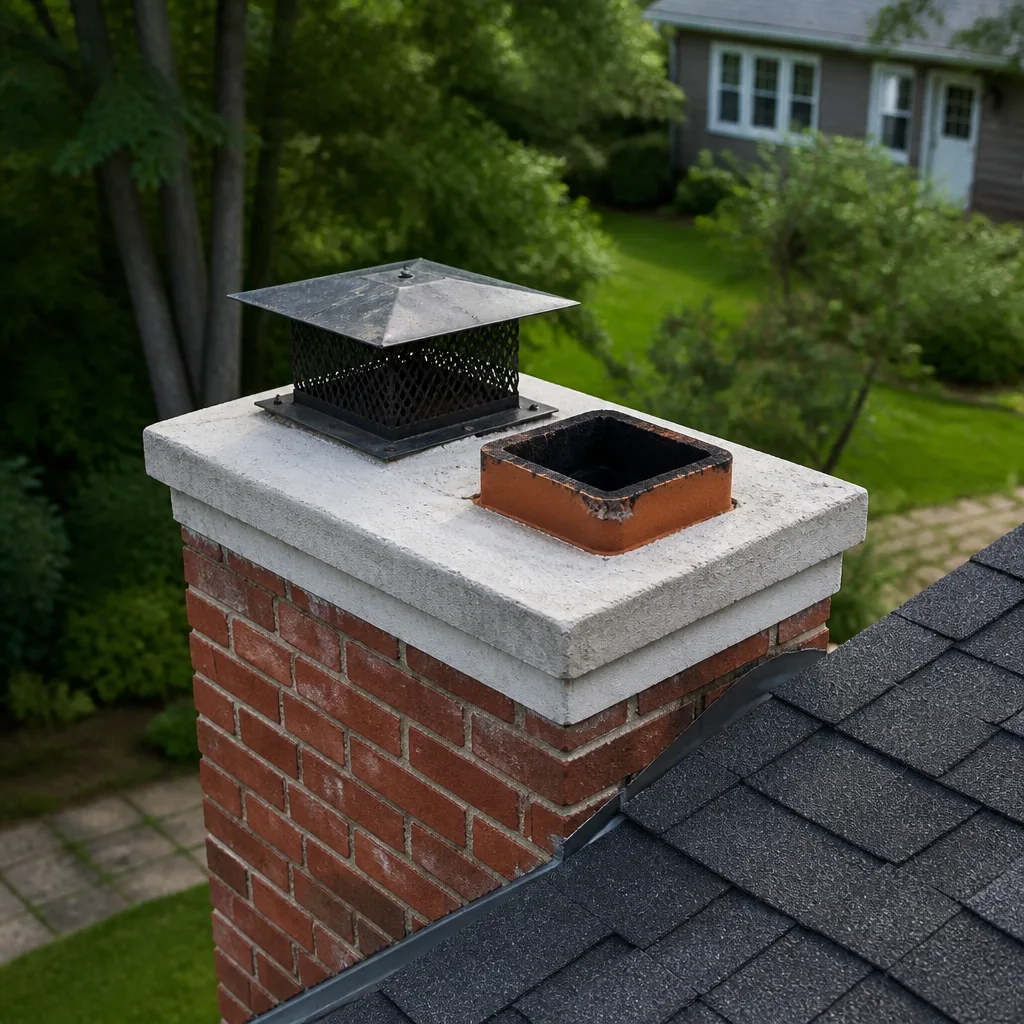
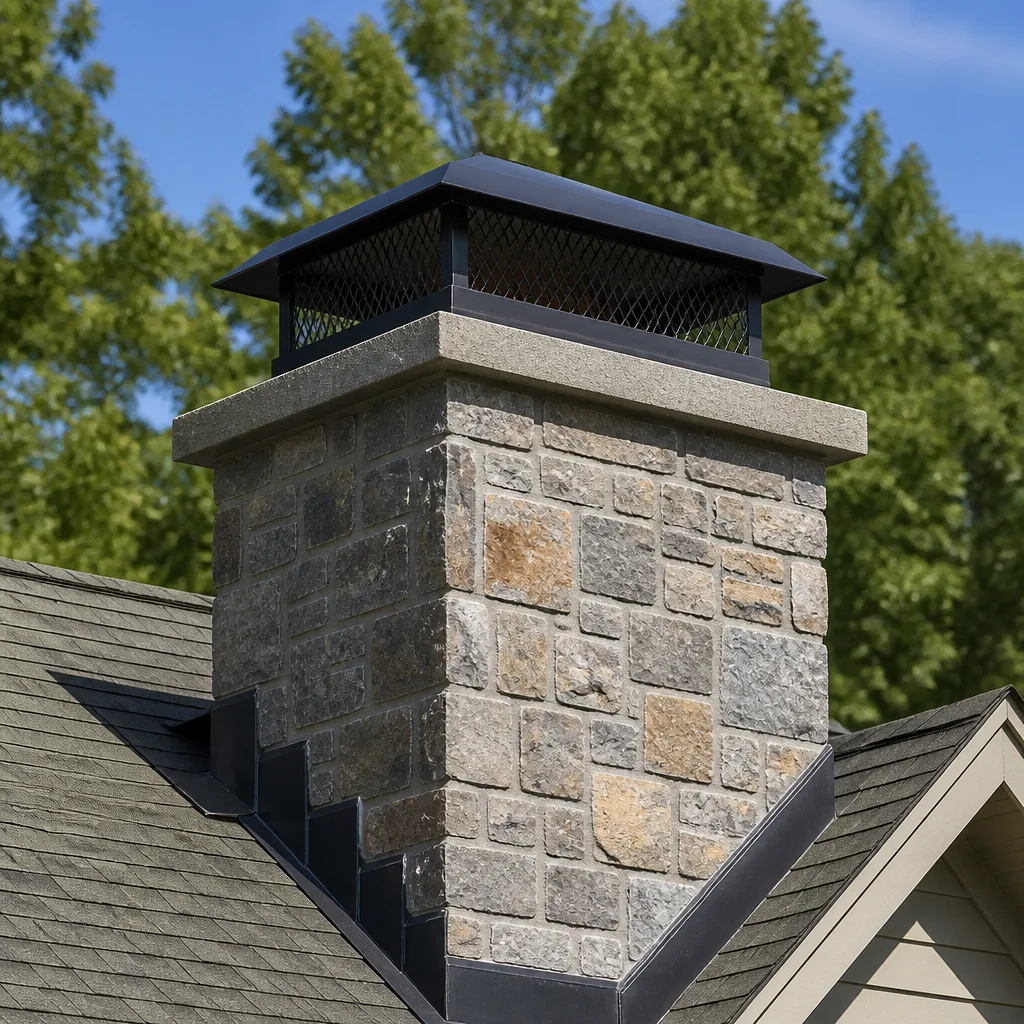
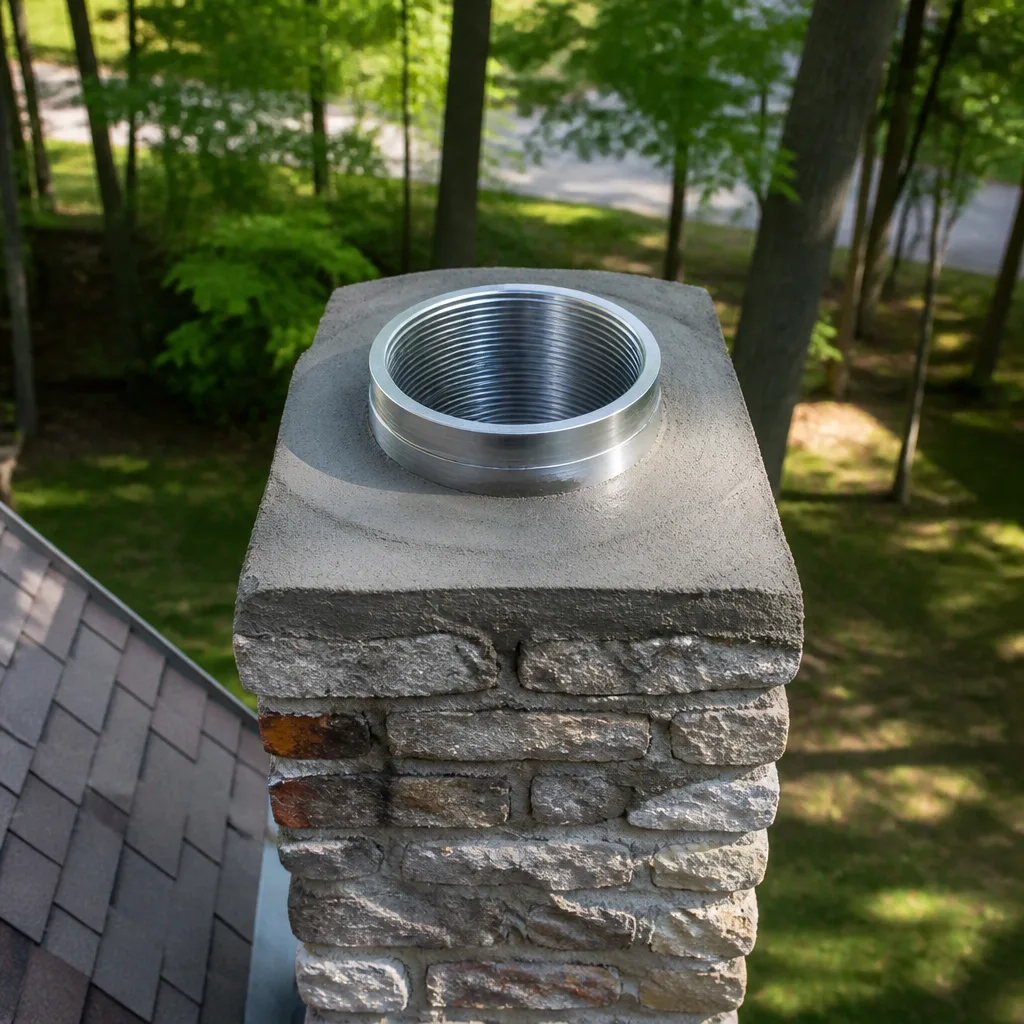
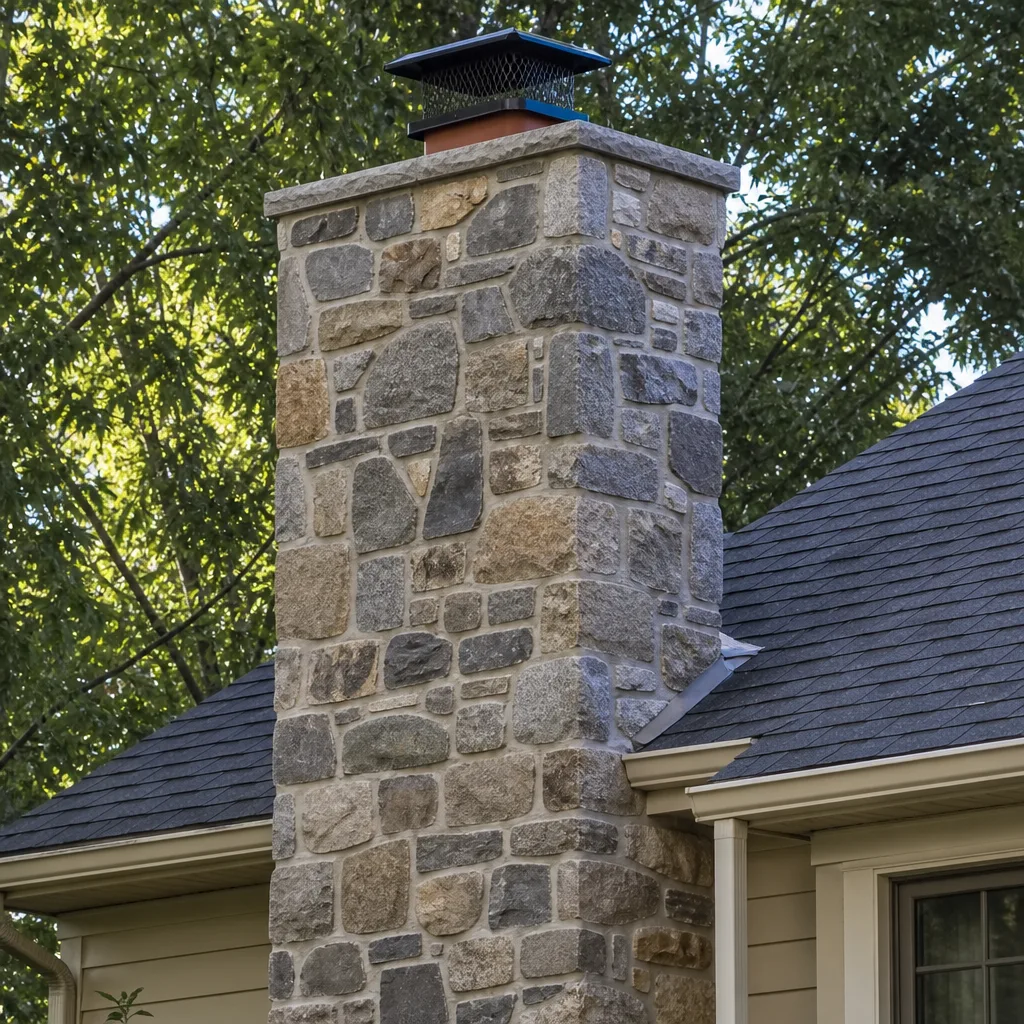
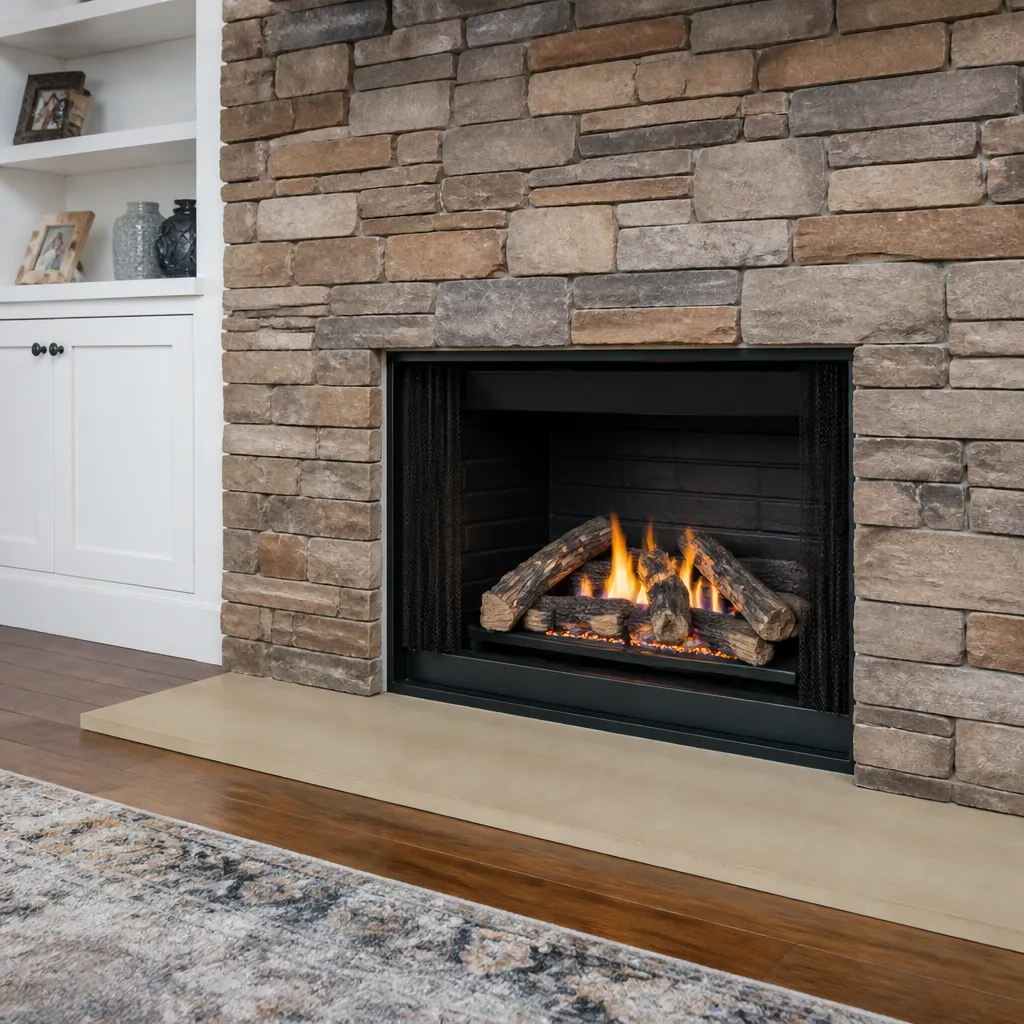
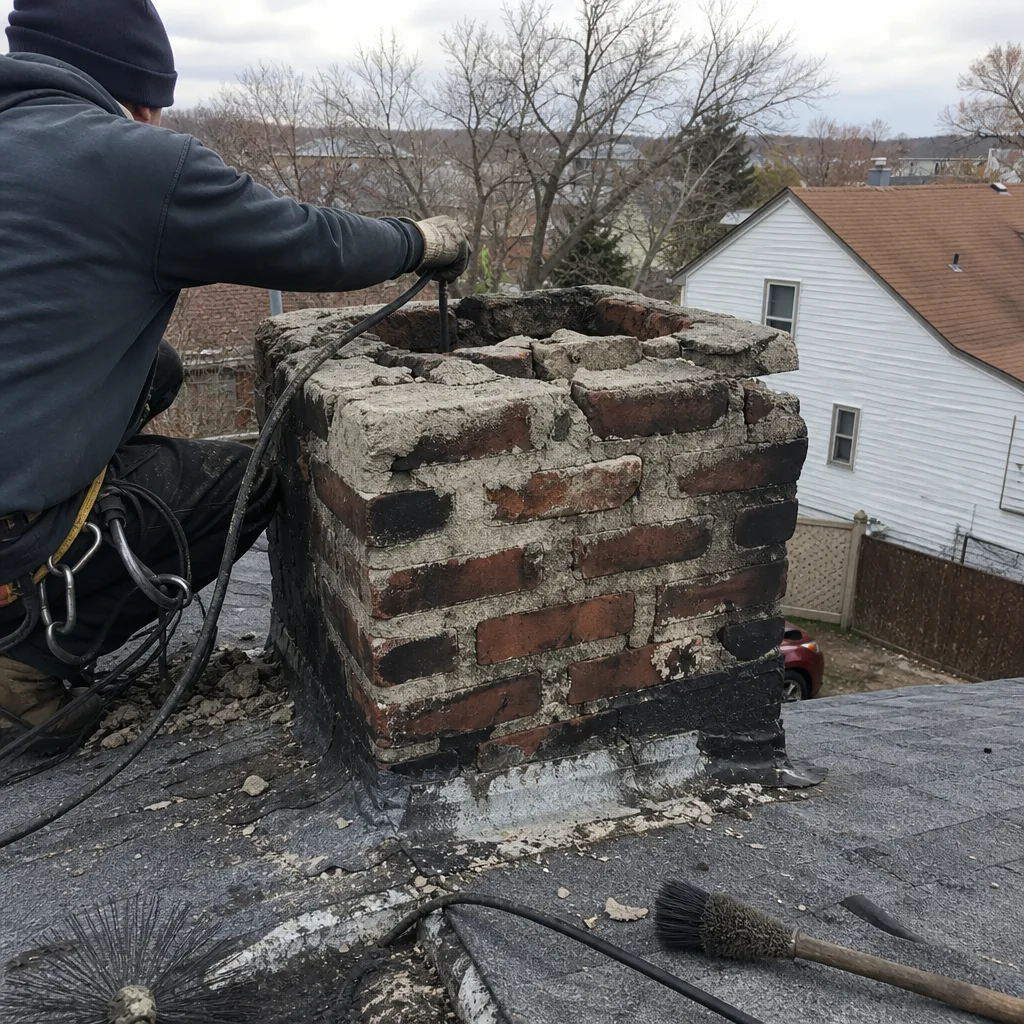 Before
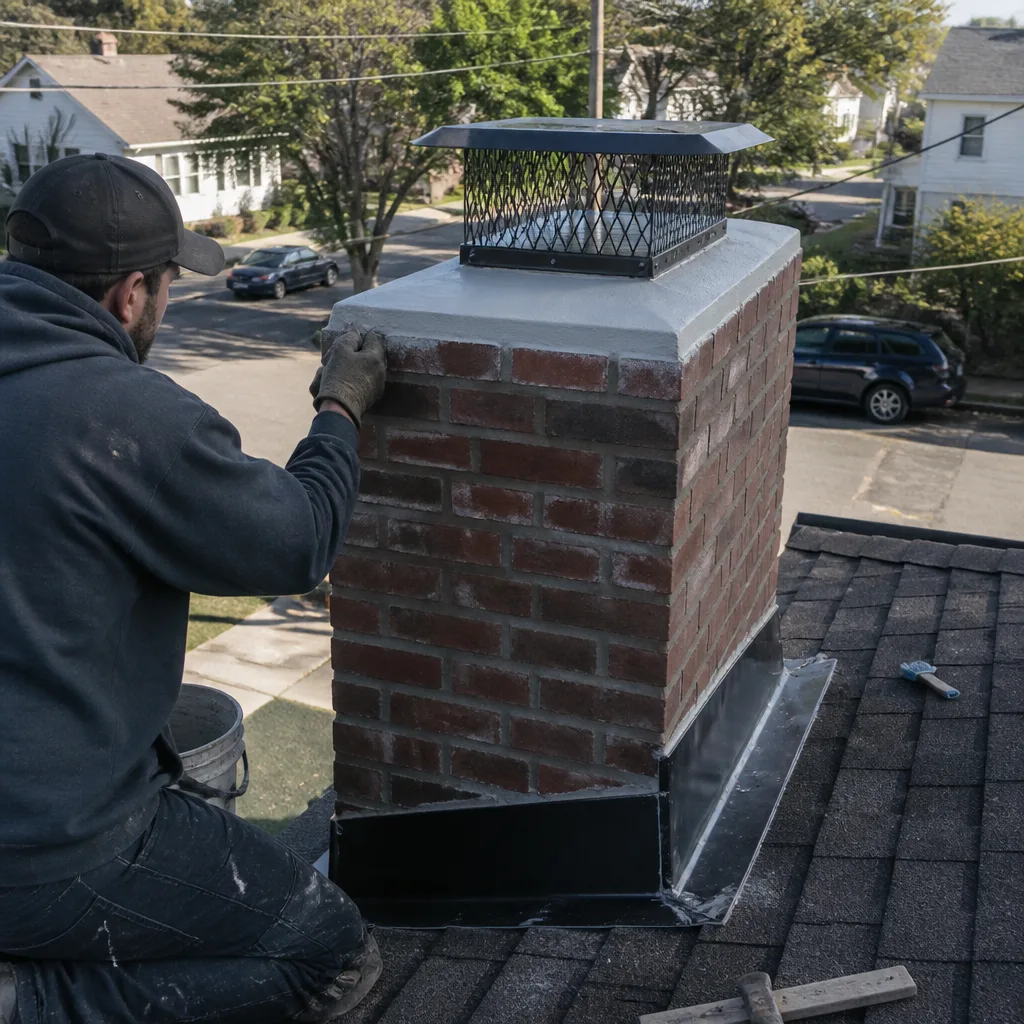 After
After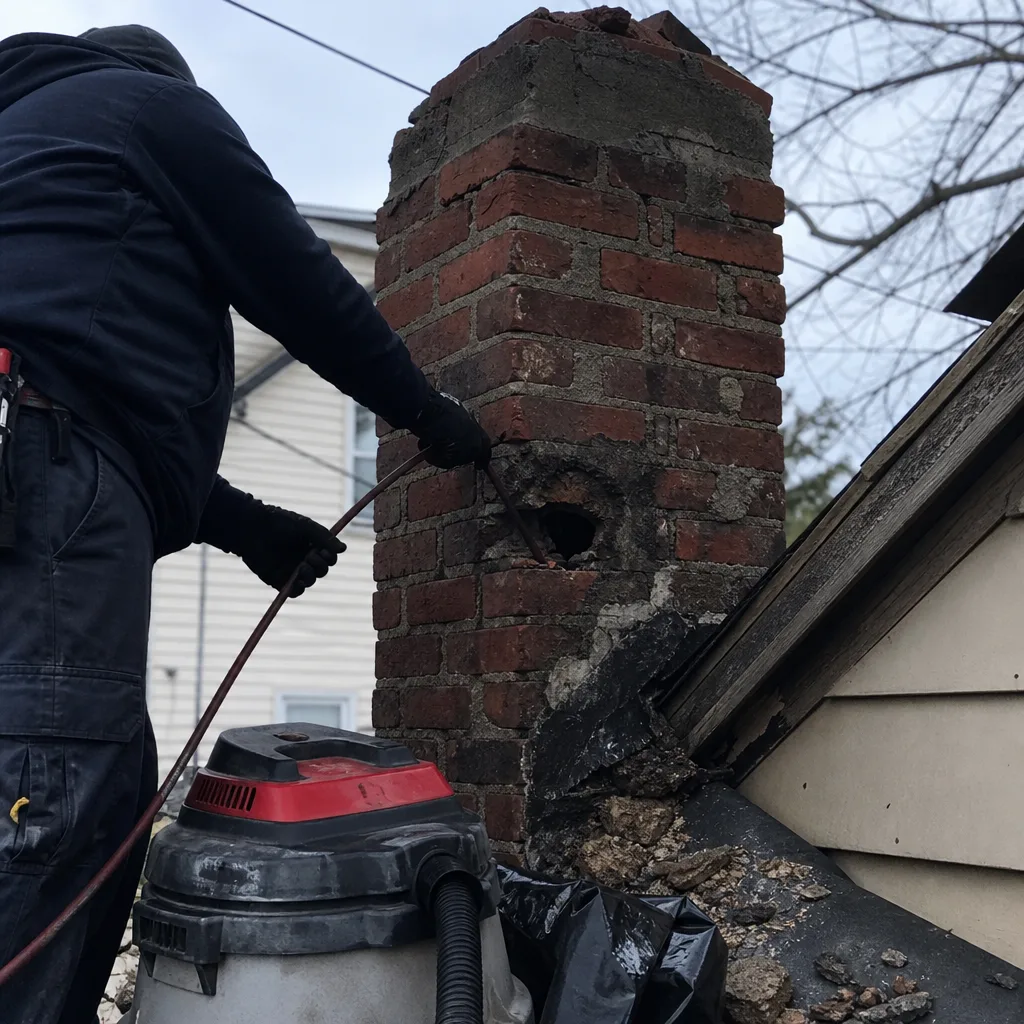 Before
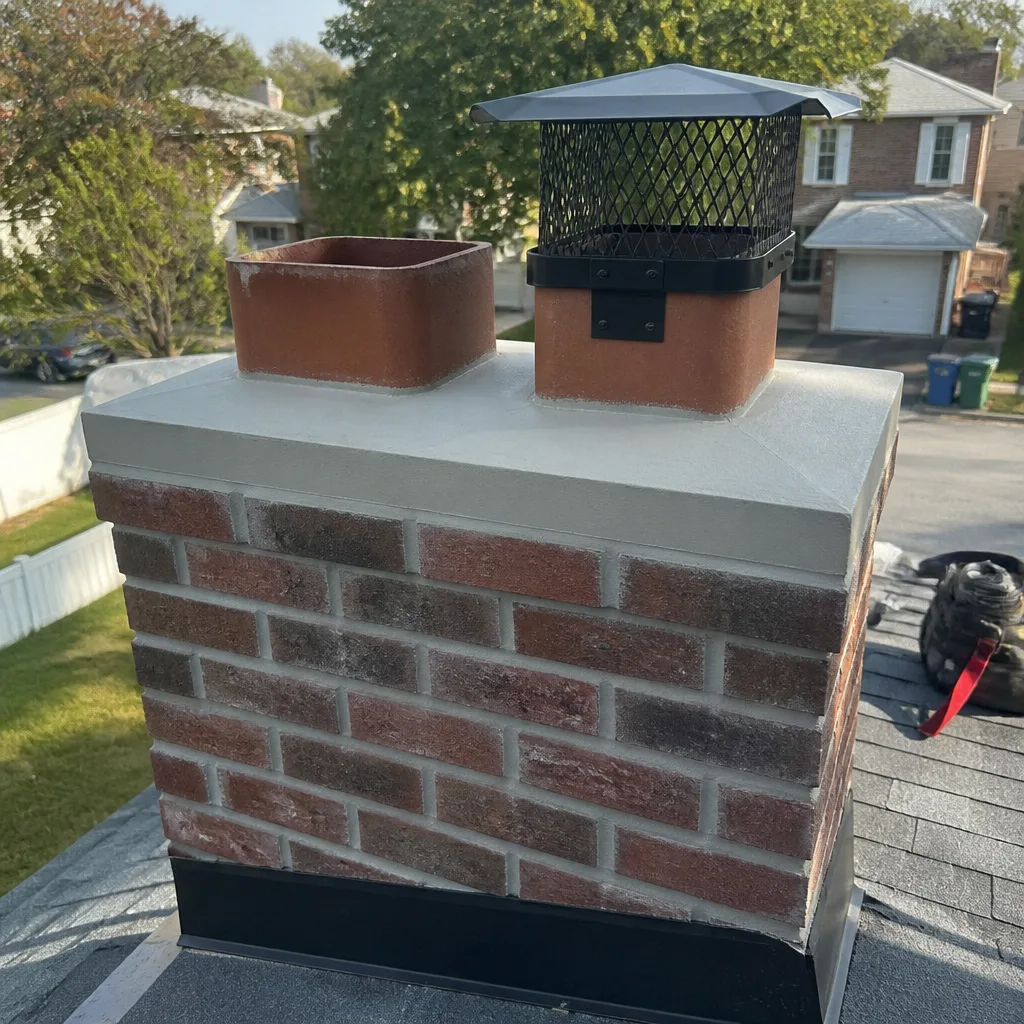 After
After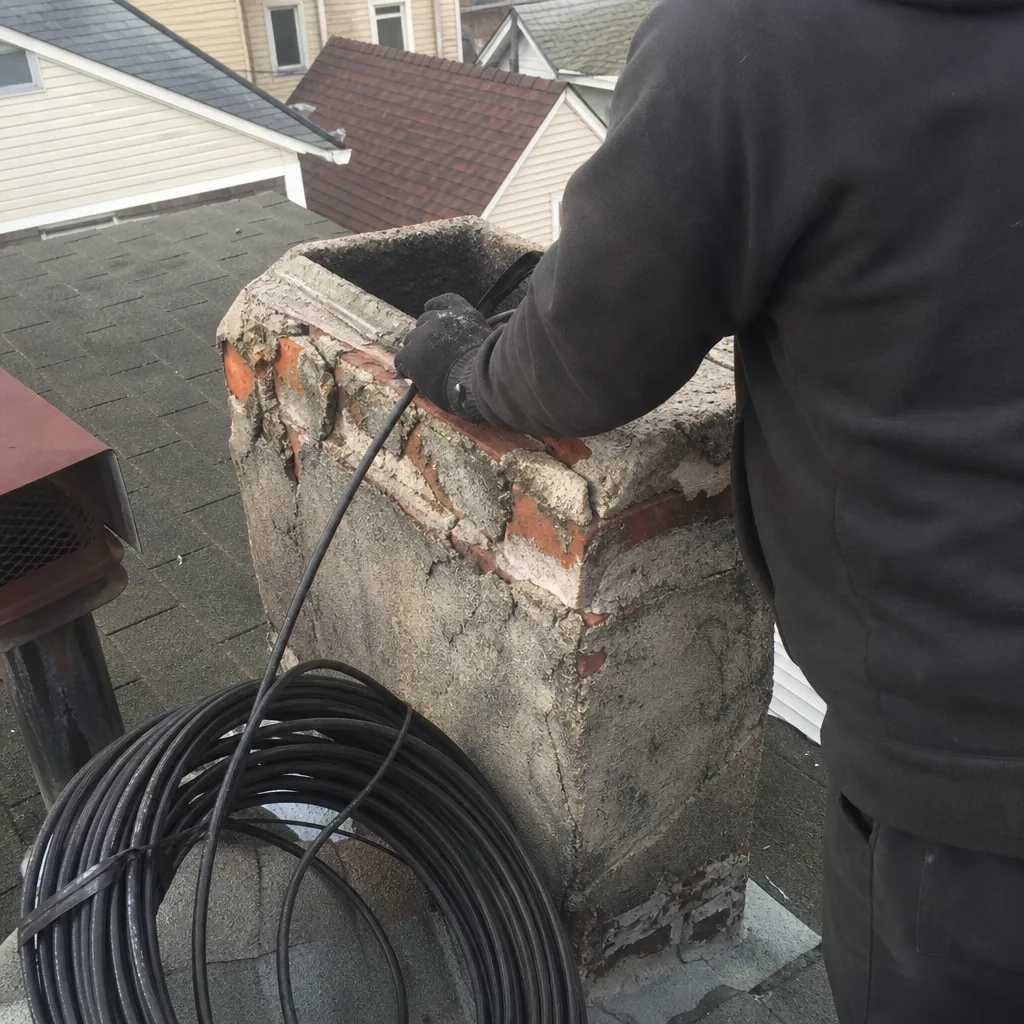 Before
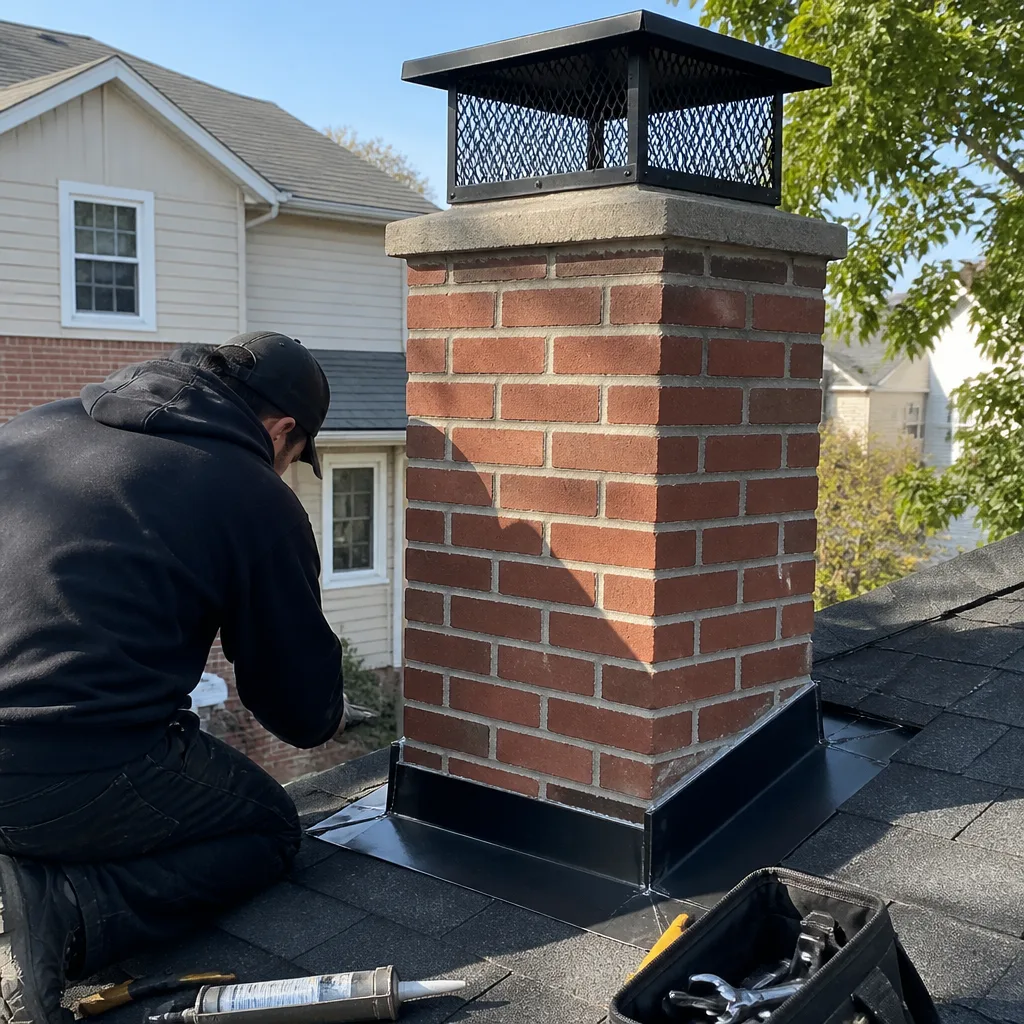 After
AfterThe Complete Guide to Chimney Cleaning in Queens
Queens has more pre-war multi-family homes with shared or converted flue systems than any other borough in New York City. That single fact transforms what most homeowners think of as a routine chimney sweep into something far more consequential: a diagnostic procedure where the wrong technician misses critical safety hazards and the right one catches what could have become a house fire or carbon monoxide leak. In this guide, we’ll walk through what chimney cleaning actually means in Queens - from the oil-to-gas conversion legacy that left thousands of flues improperly lined, to the shared flue arrangements in Astoria row houses and Forest Hills co-ops that national chimney advice simply doesn’t address. Whether you burn wood in a Bayside colonial or run a gas insert in a Long Island City condo, this is written for your chimney, not a generic one.
Quick Answer
Chimney cleaning in Queens, NY typically costs between $175 and $325 for a standard sweep with Level 1 inspection, while a Level 2 camera inspection runs $275 to $450 depending on accessibility and flue configuration. Most Queens homeowners with active fireplaces or heating appliances need cleaning annually, though homes with converted oil-to-gas systems or shared flues often require more frequent evaluation. A proper Queens chimney cleaning includes debris removal, creosote evaluation, and a documented inspection that accounts for the borough’s unique mix of pre-war construction, converted fuel systems, and dense housing stock. For help choosing who should do this work, see our DIY vs Professional Chimney Cleaning: The Queens Homeowner’s Decision Guide.
Table of Contents
- Why Queens Chimneys Are Different
- What Actually Happens During a Chimney Cleaning
- Level 1, 2, and 3 Inspections: Which Queens Homeowners Need Which
- Shared Flues and Converted Systems: The Queens-Specific Problem
- How to Read Your Sweep’s Verdict: Four Conditions
- What a Photo-Documented Inspection Report Should Contain
- Chimney Cleaning Costs in Queens
- Choosing a Chimney Sweep in Queens
Why Queens Chimneys Are Different
Walk through Jackson Heights, Sunnyside, or Flushing and you’ll notice something the national chimney guides never mention: block after block of brick row houses built between 1900 and 1940, many still running original flue systems that were never designed for modern appliances. These chimneys were built for coal, adapted for oil, and often converted again for natural gas - sometimes without the flue liner being changed to match.
Queens also carries a specific air-quality burden. The borough sits beneath final approach paths for both LaGuardia and JFK, with particulate matter from jet exhaust, the Van Wyck and Long Island Expressway corridors, and industrial zones in Willets Point settling onto roofs and into chimney crowns. That grit doesn’t just dirty the exterior. It accelerates crown deterioration, accelerates mortar joint erosion, and combines with combustion byproducts to form harder, more corrosive deposits inside flues than you’ll find in comparable suburbs.
The housing density matters too. In Manhattan, most chimneys serve single buildings with straightforward vertical runs. In Queens, a single flue in a Forest Hills garden apartment complex might serve four units, or a detached Richmond Hill home might share a party-wall chimney with the neighbor. When one unit changes fuel types or installs a high-efficiency appliance, the pressure dynamics shift for everyone connected to that flue. A sweep who treats your chimney as an isolated system will miss this.
Finally, there’s the conversion legacy. Between the 1960s and 1990s, tens of thousands of Queens homes switched from oil to gas heat. Many of those conversions were done by HVAC contractors who sized the new burner to the existing flue without verifying liner compatibility. Oil flues need larger diameters and different draft characteristics than gas. A gas appliance venting into an oversized, unlined oil flue often fails to establish proper draft, leading to condensation, corrosion, and carbon monoxide spillage. We’ve pulled failed liners in Jamaica and Bellerose that were clearly mismatched from day one - installed decades ago and never inspected since.
What Actually Happens During a Chimney Cleaning
A proper chimney cleaning is not a vacuum job. It’s a systematic procedure with specific steps, each with a purpose that protects your home and documents the flue’s condition.
The Standard Sweep Procedure
- Exterior assessment. We start at the top. Crown condition, cap integrity, flashing gaps, and mortar joint erosion are photographed before we ever enter the house. In Queens, we often find crown cracks where airport and highway particulate has accelerated freeze-thaw damage.
- Fireplace or appliance area protection. Drop cloths, HEPA vacuum setup, and furniture protection. We treat your home like we’d treat our own.
- Flue brushing with appropriate tools. Polypropylene brushes for metal liners, stiff wire brushes for masonry flues, rotary systems for heavy glazed creosote. The tool matches the flue, not whatever happens to be on the truck.
- Debris and soot removal. Industrial HEPA vacuum captures all dislodged material. No soot on your hearth, no dust in your living room.
- Combustion deposit evaluation. We examine what came out. Powdery soot, flaky creosote, tar-like glaze, or granular debris each tell a different story about how your appliance is running and whether the flue is properly sized.
- Interior inspection with documentation. flashlight and mirror for Level 1; camera for Level 2. Photos of every significant finding.
- Written report with verdict and recommendations. Plain English, no jargon, with photos you can see for yourself.
The entire process for a standard cleaning takes 45 to 90 minutes for a single-flue system. Shared flues, insert removals, or heavy creosote buildup extend that timeline. We’re not racing to the next appointment. We’re doing the thing correctly.
One Queens-specific note: many homes in the borough have chimney cleanout doors in the basement that haven’t been opened in decades. These are often rusted shut or buried behind storage. When accessible, the cleanout is the fastest, cleanest route for debris removal and the best point for inspecting the flue’s lower section. We always check for cleanout access, and we’ll document when it’s blocked or missing.
Level 1, 2, and 3 Inspections: Which Queens Homeowners Need Which
The National Fire Protection Association defines three inspection levels in NFPA 211, and most Queens homeowners have never been offered anything beyond Level 1 - even when their situation clearly demands more.
Level 1 Inspection
This is the visual inspection performed during a standard cleaning. The technician examines readily accessible portions of the chimney exterior, interior, and connecting appliances. No tools, no dismantling, no camera. Level 1 is appropriate when:
- Your appliance and flue haven’t changed, and you’re keeping up with annual maintenance
- No chimney fire, equipment malfunction, or external damage has occurred
- You simply need confirmation that the system is clean and functional
For many Queens homeowners with straightforward gas fireplace inserts in newer construction, Level 1 plus cleaning is sufficient.
Level 2 Inspection
This is where our chimney cleaning and sweep work in Queens diverges from the budget operators. Level 2 requires a camera inspection of the entire flue interior, plus examination of attics, crawl spaces, and basements where the chimney passes through. It’s mandatory when:
- You’re buying or selling a home (required by most insurers and mortgage underwriters in New York)
- Any fuel type or appliance has changed - including oil-to-gas conversions
- After a chimney fire, lightning strike, or seismic event
- When a Level 1 inspection reveals suspected concealed damage
In Queens, we recommend Level 2 for any pre-war home that hasn’t had a camera inspection in the past five years, any property with a shared flue, and any home with an oil-to-gas conversion. The camera reveals what a mirror and flashlight cannot: liner gaps, joint separation, hidden spalling, and the subtle staining that indicates previous water intrusion or combustion gas leakage.
Our Level 2 inspections end with photos you can see and a plain-English verdict. No engineering speak, no scare tactics. Just documented facts.
Level 3 Inspection
Level 3 involves dismantling portions of the chimney or building structure to access concealed areas. It’s rare, and it’s only undertaken when Level 2 reveals evidence of serious hazard that cannot be fully diagnosed otherwise. We’ve performed Level 3 inspections in Queens after chimney fires where the homeowner didn’t realize a fire had occurred - the camera showed heat damage and pyrolysis in adjacent framing, and we needed to open the wall to assess full extent. This is not a sales tactic. It’s a safety protocol.
Shared Flues and Converted Systems: The Queens-Specific Problem
This is the section national chimney guides don’t have, and it’s the one that matters most for Queens.
Shared Flues in Multi-Family and Row Housing
In Astoria, Woodside, and Ridgewood, it’s common to find two, three, or four units sharing a single flue through separate thimbles or wyes. This was standard construction practice through the 1940s and was grandfathered in under older codes. Under current NYC building code and NFPA 211, shared flues are generally prohibited for new construction, but existing shared flues are not automatically required to be separated - provided they can be proven safe.
The safety proof requires documentation. Each appliance’s venting must be evaluated for proper draft, spillage potential, and clearance to combustibles. In a shared flue, a high-efficiency gas water heater and an atmospheric boiler may create competing pressure zones that cause backdrafting into the lower appliance. We’ve measured negative pressure in basement utility rooms of Elmhurst two-families that was pulling combustion gases back down the flue during water heater firing.
A sweep who doesn’t test spillage under all appliance combinations, who doesn’t measure draft pressure, and who doesn’t understand how Queens row house air infiltration patterns affect chimney performance is not qualified to certify a shared flue safe. We’ve seen $89 “sweeps” walk past shared flue arrangements without comment. That’s not a cleaning. It’s negligence.
The Oil-to-Gas Conversion Legacy
Between 1968 and 1992, approximately 60,000 Queens homes converted from oil to gas heat, according to Con Edison historical data. Many of those conversions were performed by heating contractors who focused on the burner installation and treated the chimney as an afterthought. The results, still visible in our inspections today:
- Unlined oil flues now venting gas. Gas combustion produces water vapor that condenses in large, cold masonry flues designed for oil’s higher temperatures. The acidic condensate destroys mortar from the inside. We’ve removed liner sections in Cambria Heights that had corroded through in under ten years.
- Clay tile liners too large for gas appliances. Proper gas venting requires specific flue diameter-to-BTU ratios. An oversized flue never warms sufficiently to establish consistent draft, leading to rollout, sooting, and carbon monoxide risk.
- Missing or improper chimney liners in converted fireplaces. Wood-burning fireplaces converted to gas logs or inserts without proper liner sizing create the same condensation problems, plus the added hazard of unburned gas pooling in a cold flue.
The correct solution varies. Sometimes a chimney repair in Queens involves installing a properly sized stainless steel liner - we use DuraFlex and Olympia Chimney products for their corrosion resistance and proper sizing charts. Sometimes the appliance itself needs replacement with a direct-vent model that doesn’t use the chimney at all. Sometimes the shared flue must be separated, which in a row house may require coordinated work with adjacent owners. Each case demands inspection first, verdict second, recommendation third.
How to Read Your Sweep’s Verdict: Four Conditions
After inspection, every chimney falls into one of four conditions. Understanding these prevents you from being oversold or, worse, from ignoring a real hazard.
Condition 1: Serviceable
The flue is clean, structurally sound, properly lined for the current appliance, and operating within safe parameters. No immediate work needed beyond continued annual maintenance. In Queens, we assign Condition 1 most often to well-maintained systems in newer construction or homes where previous owners invested in proper liner installation. Even Condition 1 chimneys receive a documented baseline - photos, measurements, and notes - so future inspections can detect change.
Condition 2: Serviceable with Monitoring
The system is safe to operate now, but shows early signs of deterioration that warrant closer tracking. Examples: minor crown cracking without water intrusion yet, slight mortar joint recession in the smoke chamber, a liner with isolated surface corrosion but intact structure. We specify re-inspection intervals - often six months to a year rather than the standard annual cycle - and document exactly what we’re watching. This is where the photo record proves its value. When we return, we compare to prior images rather than relying on memory.
Condition 3: Repair Recommended Before Next Burning Season
The chimney functions but has defects that will worsen and may become hazardous with continued use. Examples: significant crown deterioration with water entry, spalling flue tiles with exposed gaps, damaged or missing cap allowing animal entry and water damage, liner with through-corrosion in isolated sections. We explain what will happen if deferred: water freeze-thaw accelerating masonry damage, creosote penetration to combustible framing, carbon monoxide leakage through liner gaps. The work can often be scheduled at the homeowner’s convenience within the season, but it shouldn’t be ignored past the next heating cycle.
Condition 4: Do Not Use Until Repaired
Active hazard. Immediate risk of fire, carbon monoxide poisoning, or structural failure. Examples: separated flue liner with visible gaps to combustible chase, chimney fire damage with pyrolyzed adjacent framing, blocked or partially collapsed flue, severe structural leaning or foundation failure. We mark these clearly on the report, notify the homeowner verbally at the time of inspection, and if necessary, contact the fire department for immediate hazard mitigation. In forty-two years, we’ve made that call fewer than twenty times. Each time, it was the right call.
The critical point: a honest sweep tells you which condition applies and why, with evidence you can see. A sweep who labels every chimney Condition 3 or 4 is selling, not inspecting. A sweep who never finds Condition 4 is either lucky or blind. We’ve seen both types in Queens, and neither serves the homeowner.
What a Photo-Documented Inspection Report Should Contain
Most cheap chimney services in Queens hand you a carbon-copy checklist with checkboxes and a bill. That’s not a report. It’s a receipt. Here’s what a proper inspection report contains, and what you should demand before paying.
Mandatory Elements
- Date, technician name, and company license information. Accountability requires identity. Our reports include the technician’s name and certification level.
- Property address and specific appliance/flue identified. In a multi-flue Queens home, “chimney” is insufficient. We identify each flue by location and appliance served.
- Exterior photos: crown from above, cap and spark arrestor, flashing detail, visible brick and mortar condition.
- Interior flue photos: full camera run from top to bottom, with timestamped images at every significant finding and every joint or transition.
- Smoke chamber and firebox photos: these areas are invisible to the homeowner and where many hidden hazards develop.
- Combustion appliance zone photos: connector pipe condition, draft hood alignment, clearance to combustibles.
- Measurement data: flue dimensions, liner material and gauge if visible, approximate creosote deposit thickness, draft pressure readings where taken.
- Plain-English condition verdict with specific evidence citations. “Condition 2 due to 3/8-inch crown crack visible in Photo 7, with minor water staining in smoke chamber (Photo 12). No active leakage at time of inspection.”
- Prioritized recommendations with scope and rationale. Not “needs work” - “crown repair with flexible waterproof sealant recommended within 12 months to prevent freeze-thaw damage progression to flue liner.”
- Estimated timeline to next inspection. Based on condition, appliance use, and local factors.
What’s Missing from Cheap Reports
The $89 sweep special typically lacks: camera documentation entirely, technician identification, specific measurements, and any explanation of why recommendations are made. Some operators use stock photos from manufacturer websites rather than your actual chimney. We’ve been called to second-opinion inspections where the “report” was a generic template with the address handwritten at the top - same report given to a homeowner in Bayside and one in the Bronx, supposedly.
Our standing offer: Free Second Opinion on any written estimate. Bring us another company’s report and we’ll review it honestly. Sometimes they’re correct and we’ll say so. Sometimes they’re selling work you don’t need, or missing work you do. Either way, you’ll know.
Chimney Cleaning Costs in Queens
Pricing transparency matters, especially for homeowners who’ve been burned by contractors before. Here’s what chimney cleaning and inspection actually costs in the Queens market, based on our 2024-2025 service data.
| Service | Price Range | What’s Included |
|---|---|---|
| Standard Chimney Sweep with Level 1 Inspection | $175 - $325 | Full brush and vacuum cleaning, visual inspection, basic debris removal, written condition summary |
| Level 2 Camera Inspection (with or without cleaning) | $275 - $450 | Complete camera documentation of flue interior, attic and basement access inspection, photo report with verdict |
| Insert or Stove Removal and Cleaning | $225 - $375 | Appliance removal, flue cleaning behind insert, reinstallation with proper clearances |
| Shared Flue Evaluation (per appliance) | $150 - $225 | Draft testing, spillage evaluation, pressure zone measurement, compatibility assessment |
| Heavy Glazed Creosote Removal (rotary system) | $350 - $550 | Specialized chemical pretreatment and mechanical removal of Stage 3 glazed deposits |
| $89 Seasonal Tune-Up | $89 | Annual maintenance special: inspection, basic cleaning, safety check for qualifying systems |
Factors that increase cost in Queens specifically:
- Accessibility challenges. Flat roofs with parapet walls, steep slate roofs common in Forest Hills, or chimneys behind additions require additional setup time and safety equipment.
- Shared flue complexity. Evaluating multiple appliances with interdependent draft dynamics takes longer than a single-flue system.
- Insert removal and reinstallation. Many Queens fireplaces have inserts installed decades ago with improper clearances or missing surrounds. Safe removal and reinstallation often reveals additional issues.
- Deferred maintenance. A chimney cleaned annually takes 45 minutes. One with ten years of accumulation may require multiple passes, chemical treatment, or extended vacuum time.
Our pricing is agreed before we start. No surprises on the bill. The number on the estimate is the number on the invoice. We also offer a permanent 5% Senior and Veteran discount and $50 off any repair over $250.
Choosing a Chimney Sweep in Queens
The chimney service industry in New York is largely unregulated at the state level. Anyone with a brush and a van can claim to be a sweep. Here’s how to separate qualified professionals from the rest.
Verify Credentials That Actually Matter
Look for CSIA (Chimney Safety Institute of America) certification, which requires examination and continuing education. Ask for proof of liability insurance and workers’ compensation - not “we’re insured,” but the certificate of insurance with current dates. In Queens, where many chimneys require roof access and ladder work, uninsured workers on your property create liability you don’t want.
We carry full coverage, and our technicians are background-checked and uniformed. Most jobs are completed in a single visit, which matters when you’re taking time from your day to be present.
Ask About Their Queens Experience Specifically
A sweep from Suffolk County who works primarily in new construction may never have encountered a shared flue or an oil-to-gas conversion. Ask: “How many pre-war Queens chimneys have you inspected this year?” “What’s the most common problem you find in converted systems?” “How do you evaluate draft in a row house with negative pressure from bathroom fans?”
The answers reveal whether they understand this borough or are applying suburban templates to urban conditions.
Demand Documentation Before Payment
Never pay in full before receiving the inspection report and photos. A technician who asks for payment before showing findings has no incentive to be thorough. We review findings with you on-site, show you the photos, explain the verdict, and only then discuss any recommendations. You’re in control.
Check for Physical Presence and Longevity
The one-truck operator who disappears after a bad season leaves no recourse if problems emerge. We’ve served local communities for over 42 years, since 1984. A company that plans to be in town in thirty more years acts accordingly. Our 90-Day Done Right Promise - in writing, no arguing - is backed by a business that intends to honor it.
For fireplace services in Queens beyond cleaning, including repair and maintenance, the same evaluation criteria apply.
Common Mistakes to Avoid
- Hiring based on price alone. The $89 sweep that skips the camera, misses the separated liner, and gives you a false Condition 1 verdict costs far more than the $275 inspection that catches the problem early. In Queens, we’ve rebuilt chimneys that could have been saved with earlier detection.
- Assuming gas doesn’t need inspection. Gas appliances produce water vapor and can create condensation damage in improperly lined flues. They also can spill carbon monoxide if draft fails. Annual inspection applies to all fuel types.
- Ignoring the shared flue. If you smell your neighbor’s cooking or heating odors, or if your carbon monoxide detector activates when their appliance runs, you have a shared flue problem. Don’t wait for a sweep to mention it - mention it to them.
- Deferring based on “it looks fine.” Most chimney hazards are invisible from the living room. By the time you see staining on the ceiling or smell smoke in the bedroom, damage is extensive.
- Accepting verbal recommendations without documentation. “You need a new liner” without photos, measurements, and explanation of why is a sales pitch, not a professional verdict.
- Using the chimney as a vent for new appliances without evaluation. Installing a high-efficiency water heater or furnace into an existing flue changes the dynamics. Always have the modified system inspected.
- Neglecting the crown and cap. Water is the enemy of every Queens chimney. A cracked crown or missing cap admits water that destroys liners, rusts dampers, and rots adjacent framing. The top of the chimney matters as much as the flue.
When to Call a Professional
Call a qualified chimney professional if you notice any of the following: smoke or odors entering your living space during appliance operation; visible cracks in the chimney exterior or interior masonry; a damper that sticks, won’t open fully, or won’t close completely; white staining (efflorescence) on exterior brick indicating water movement; pieces of tile or masonry in the firebox or cleanout; rust on the damper or firebox; a carbon monoxide detector activation, even if brief; or if you’ve never had a professional inspection and your home is more than twenty years old.
In Queens specifically, call if your home had an oil-to-gas conversion and you’ve never had a Level 2 camera inspection; if you share a flue with neighboring units and don’t have documentation of safe operation; or if you’re buying or selling a pre-war home and need inspection for closing. For timing your maintenance through the year, see our Seasonal Chimney Cleaning Care for Queens: Year-Round Homeowner’s Guide.
Hearthstone Chimney Co. offers free estimates in Queens. A live person answers every call, 24 hours a day, 7 days a week - not a voicemail, not a callback queue. Call (516) 531-6315 to schedule, or to ask questions before scheduling. We’ll give you straight answers, and if you don’t need us yet, we’ll tell you that too.
Frequently Asked Questions
A standard chimney sweep with Level 1 inspection in Queens typically costs between $175 and $325, while a Level 2 camera inspection runs $275 to $450 depending on flue accessibility and configuration. Shared flues, insert removals, and heavy creosote buildup increase the price. Call (516) 531-6315 for an exact quote - estimates are free.
Most Queens homeowners with active fireplaces or heating appliances need annual cleaning and inspection. Homes with converted oil-to-gas systems, shared flues, or heavy wood burning may need more frequent evaluation - sometimes every six months for shared flues with multiple appliances. The NFPA 211 standard is annual minimum; your specific system may demand more.
You need a new liner if the current one is damaged, improperly sized for your appliance, or missing entirely - but only a camera inspection can determine this with certainty. We’ve seen Queens homeowners sold liners they didn’t need, and we’ve seen dangerous unlined flues go unaddressed for decades. Nothing is recommended without photo evidence you can see for yourself, and we’ll tell you plainly when work can safely wait.
Skipped cleaning allows creosote accumulation, which can ignite into a chimney fire reaching 2,000 degrees and damaging the flue liner or adjacent framing. It also permits debris and animal nesting that blocks proper venting, forcing carbon monoxide into living spaces. In Queens’ dense housing, a chimney fire in a row house threatens multiple families. The risk is real, specific, and preventable.
Basic brush cleaning from the bottom is possible for a straightforward masonry fireplace with proper tools, but it won’t include inspection of the flue interior, crown condition, or draft performance. For gas appliances, high-efficiency systems, inserts, or any Queens home with a shared or converted flue, professional evaluation is essential. The safety systems involved - carbon monoxide venting, liner integrity, clearance to combustibles - are not visible or testable without training and equipment. We don’t provide DIY instructions for these systems because the downside of error is severe injury or death.
Cleaning removes deposits and debris; inspection evaluates condition and safety. They’re often performed together but serve different purposes. A sweep without inspection is just housekeeping. An inspection without cleaning may miss deposits hiding defects. In Queens, we recommend both annually, with camera inspection (Level 2) every few years or whenever fuel type, appliance, or ownership changes.
The Bottom Line
Chimney cleaning in Queens is not a commodity service. The borough’s pre-war housing stock, shared flue legacy, and oil-to-gas conversion history create conditions that generic national advice and cheap sweeps simply don’t address. A proper cleaning here is diagnostic: it documents your flue’s actual condition, identifies fuel-specific and configuration-specific hazards, and gives you a plain-English verdict with evidence you can verify.
Done right - and we stand behind it - chimney maintenance protects your home without drama, without surprise bills, and without the pressure tactics that have made homeowners rightfully skeptical of contractors. We’ll be there when we say. Photos you can see, a plain-English verdict. In writing, no arguing.
Call (516) 531-6315 to schedule your inspection or to discuss your chimney’s specific situation. A live person answers, any hour, any day. Estimates are free, and we’ll tell you honestly whether you need us now or can wait until next season.
Written by Russell Haines, Owner at Hearthstone Chimney Co., serving Queens since 2014.